






What's Happening?
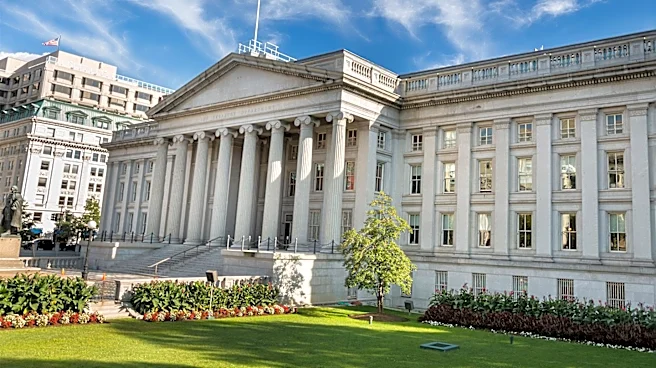
The U.S. Treasury Department and the Internal Revenue Service (IRS) have issued final regulations implementing a key provision of the SECURE 2.0 Act of 2022. These new rules mandate that qualifying employers automatically enroll newly eligible workers
into workplace retirement plans, such as 401(k)s and 403(b)s, rather than requiring employees to opt-in. Under the new framework, covered employers must set an initial default contribution rate of at least 3% of compensation for all newly eligible employees, with contributions directed into a qualified default investment alternative. Employees retain the ability to adjust their contribution percentage or opt out entirely without penalty. Treasury Secretary Scott Bessent emphasized that a financially secure retirement is a cornerstone of the American Dream, and this policy aims to address the significant retirement coverage gap in the U.S. private sector. The regulations, formally published as Treasury Decision 10061, provide clarity on default rates, notice requirements, permissible withdrawals, and statutory exceptions, ending a period of regulatory ambiguity since the act's passage in December 2022.
Why It's Important?
This regulatory finalization is significant because it is projected to generate an average of $4.2 billion in additional retirement contributions each year over the 2023–2032 period. This figure highlights the historical challenge of many eligible workers not enrolling in retirement plans due to inertia. By making participation the default, the new rules leverage behavioral economics research, which consistently shows that enrollment rates climb significantly when opting out is required rather than opting in. The policy directly targets the retirement coverage gap, where roughly half of all private-sector workers in America lack access to an employer-sponsored retirement plan or fail to enroll despite access. This move aims to boost retirement savings for millions of Americans, particularly those who might otherwise never begin saving for retirement, thereby enhancing long-term financial security across the workforce.
What's Next?
For plan administrators and HR departments, the finalization of these rules triggers an immediate need for action. Existing plan documents for covered plans may require amendments, default contribution rates and investment elections must be validated against the new minimums, and participant notice procedures need to be updated. Industry guidance suggests that employers should promptly engage with plan custodians and legal counsel, especially as the broader SECURE 2.0 plan amendment deadline is December 31, 2026. For workers, the immediate next step is to review their current retirement account elections before automatic changes take effect. Employees at covered employers who have not previously enrolled may find that contributions have already begun on their behalf, prompting them to review their options and make any desired adjustments to their savings rate or investment choices.
Beyond the Headlines
The implementation of automatic enrollment represents a fundamental shift in how retirement savings are approached in the U.S., moving from an opt-in to an opt-out system. This change reflects a broader policy trend towards leveraging behavioral science to improve financial outcomes for individuals. While the immediate impact is increased retirement savings, the long-term implications could include a reduction in reliance on social safety nets in retirement and a more financially resilient aging population. However, it also places a greater onus on employers to ensure compliance and proper communication, and on employees to actively manage their retirement choices if the default options do not align with their personal financial goals. This policy, alongside other SECURE 2.0 provisions like mandatory Roth catch-up contributions, signifies the most substantial restructuring of workplace retirement rules since the original SECURE Act of 2019, aiming to address both the coverage gap and optimize savings strategies for various income levels.