
What's Happening?
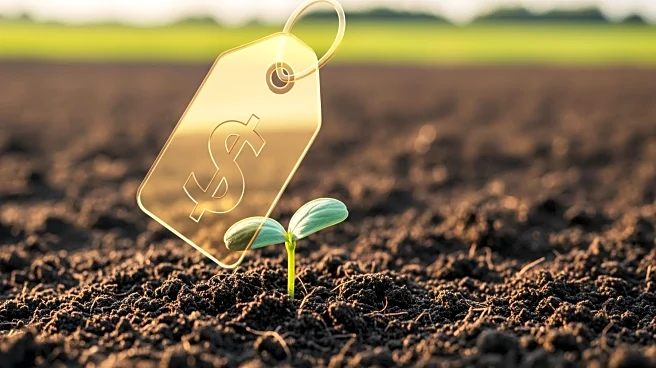
In Nigeria, soaring land prices and land grabs are creating a significant challenge for farmers, threatening food production and rural livelihoods. The cost of farmland has increased dramatically, with
prices ranging from N2 million to N8 million per acre, depending on the location. This trend is particularly evident in areas like Epe, where urban sprawl is transforming agricultural land into real estate. The high cost of land is discouraging new entrants into agriculture, raising concerns about food security and rural poverty.
Why It's Important?
The rising cost of farmland in Nigeria poses a threat to food security, as smallholder farmers struggle to afford land for cultivation. This could lead to increased rural poverty and a decline in local food production, making the country more reliant on food imports. The situation is exacerbated by international investors purchasing large tracts of land, further driving up prices and reducing availability for local farmers. The trend highlights the need for policies that balance development with agricultural sustainability to ensure food security and support rural communities.
What's Next?
Addressing the issue of rising land prices will require coordinated efforts from government, industry stakeholders, and international partners. Policies that promote affordable land access for farmers and protect agricultural land from urban encroachment are essential. Additionally, investment in agricultural infrastructure and support for smallholder farmers could help mitigate the impact of rising land costs. Monitoring the influence of international investors on local land markets will also be crucial in developing effective strategies to support sustainable agriculture.