



What's Happening?
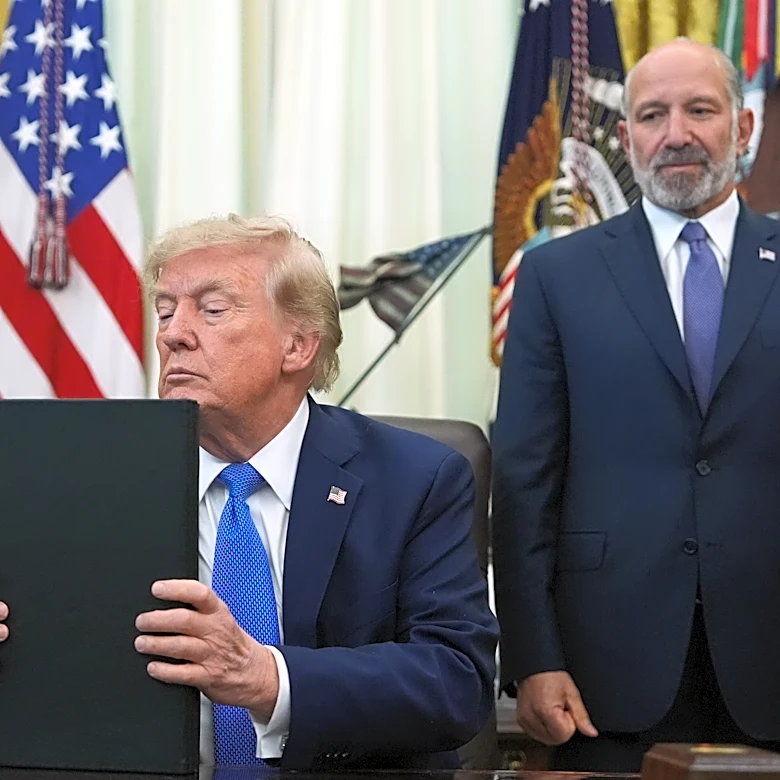
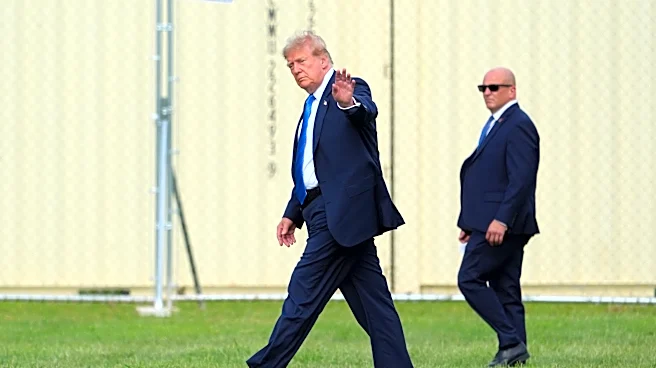
President Trump has publicly criticized communities and individuals opposing the construction of data centers, asserting that such opposition will lead to economic stagnation. He posted on Truth Social, stating that the only reason American communities would
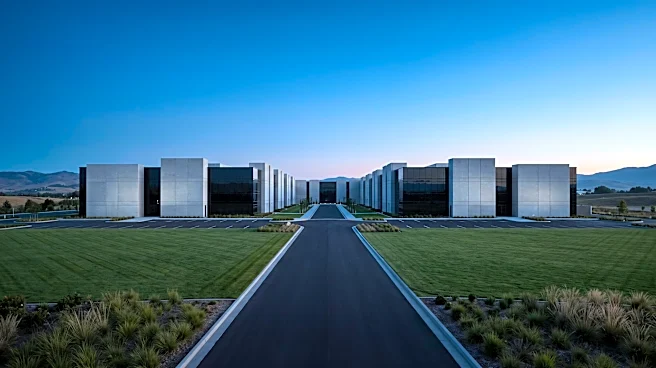
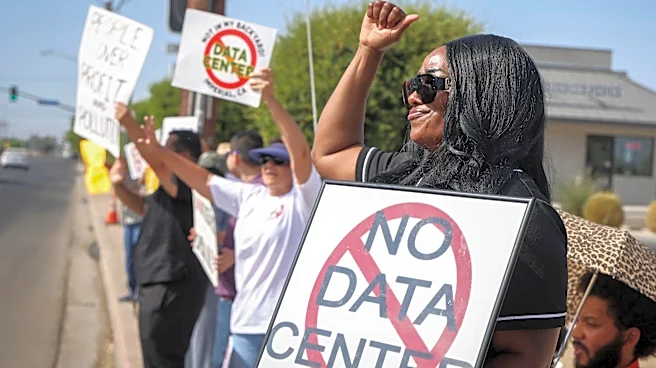
reject data centers is a desire to remain 'backward and poor,' and claimed that data centers would enrich Americans. This stance comes amidst a rapid increase in the demand for data centers due to AI development and related services, which has also generated significant local opposition. President Trump further suggested that China is pleased with the anti-data center movement in the U.S., aiming to leverage anti-China sentiment among Americans. He has previously supported data center construction by signing executive orders to expedite necessary procedures, but some states are now moving to halt such developments.
Why It's Important?
The debate over data center construction highlights a growing tension between technological advancement, economic development, and local community concerns in the U.S. President Trump's strong advocacy for data centers underscores their perceived importance for national economic growth and technological competitiveness, particularly in the burgeoning AI sector. His remarks about China introduce a geopolitical dimension, framing domestic opposition as potentially beneficial to a rival nation. This narrative could influence public opinion and policy decisions regarding infrastructure development. While a Georgia Institute of Technology study indicates that data center construction can boost local employment, wages, and household income, these benefits are primarily observed in metropolitan areas, with minimal impact on rural regions. The study also noted a trade-off, as data centers can increase local electricity prices by an average of 5%, impacting residents' utility bills.
What's Next?
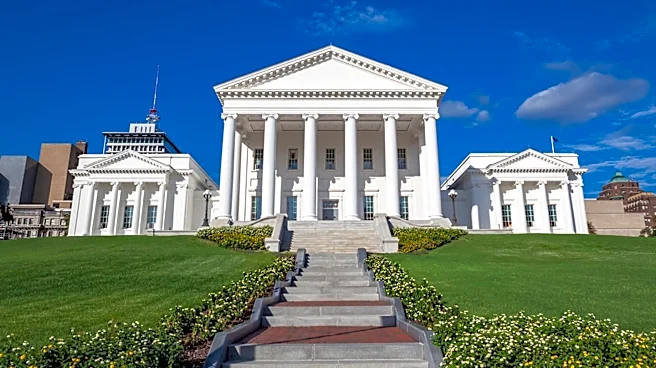
The ongoing push for data center construction will likely continue to face resistance from local communities concerned about resource consumption and environmental impact. President Trump's comments may intensify the political discourse surrounding these projects, potentially influencing upcoming elections and policy debates. States like New York, which recently passed a bill to halt new large-scale data center construction for one year, may see similar legislative efforts in other regions. Gaining the understanding and cooperation of local residents will be crucial for the continued expansion of data infrastructure. The interplay between federal support, state-level regulations, and community opposition will shape the future landscape of data center development in the U.S., with potential implications for the nation's technological infrastructure and economic growth.
Beyond the Headlines
The controversy surrounding data centers extends beyond immediate economic and environmental concerns, touching upon broader societal implications. The significant energy and water demands of these facilities raise questions about sustainable development and resource allocation, especially in an era of increasing climate awareness. The concentration of economic benefits in metropolitan areas, as highlighted by the Georgia Institute of Technology study, could exacerbate existing urban-rural divides, leading to further social and economic disparities. Furthermore, President Trump's framing of the issue with a geopolitical angle, suggesting Chinese satisfaction with U.S. opposition, could fuel nationalistic sentiments and potentially stifle legitimate local concerns under the guise of national security. This complex interplay of technology, economics, environment, and geopolitics underscores the need for comprehensive policy frameworks that balance innovation with community well-being and environmental stewardship.