
What's Happening?
The European Union is deliberating a proposal to ban the entry of Russian soldiers who have participated in the Ukraine conflict, citing security risks. This initiative, introduced by Estonia, was discussed
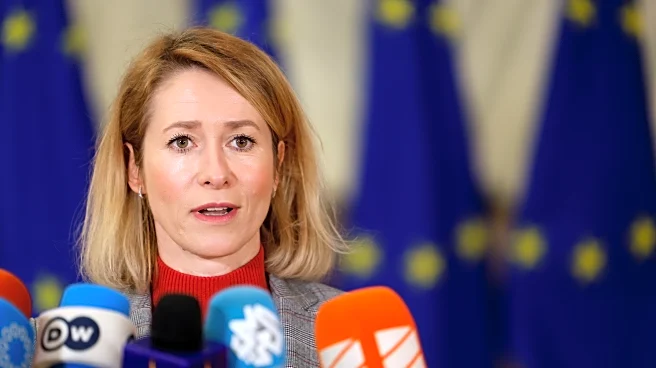
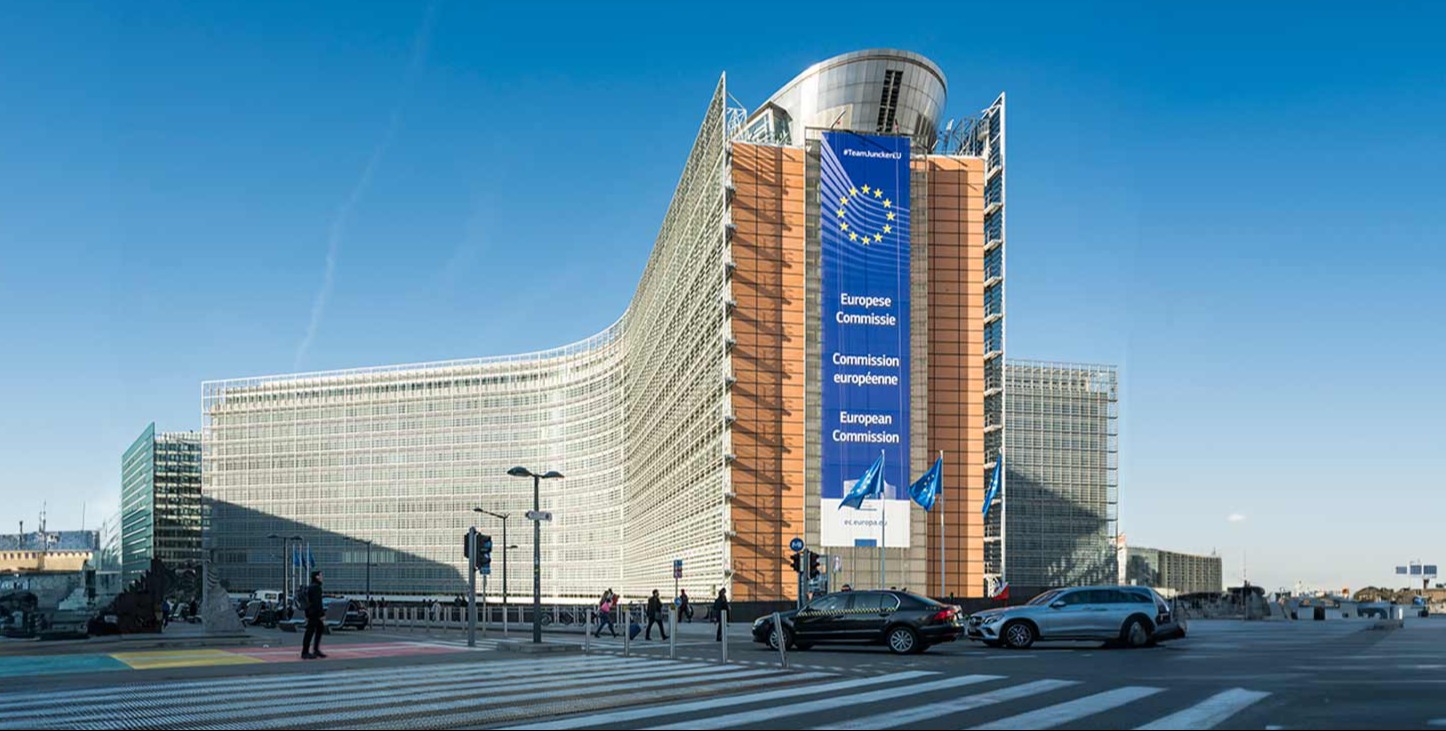
during a meeting of EU foreign affairs ministers. Estonia has already imposed a permanent entry ban on 261 Russian soldiers involved in the invasion of Ukraine. The proposal aims to establish a coordinated EU policy to blacklist Russian veterans post-conflict. High Representative Kaja Kallas noted that many member states support the plan, emphasizing the security threat posed by these individuals. The European Commission, responsible for visa policy, has previously tightened rules for Russian passport holders, limiting them to single-entry visas.
Why It's Important?
The proposal reflects growing concerns within the EU about the potential security threats posed by Russian veterans entering Europe. If implemented, it could significantly impact EU-Russia relations and complicate post-war reintegration efforts for Russian soldiers. The move underscores the EU's commitment to collective security and its proactive stance in addressing potential threats. It also highlights the challenges of balancing security with diplomatic relations, as the EU navigates its response to the ongoing conflict in Ukraine. The decision could set a precedent for how the EU handles similar situations in the future, affecting its foreign policy and security strategies.
What's Next?
The proposal's future depends on the consensus among EU member states, as decisions on migration require a qualified majority. The European Commission will likely continue to assess the proposal's feasibility and potential implications. If approved, the EU will need to develop mechanisms to enforce the ban and address any legal or logistical challenges. The situation in Ukraine remains fluid, with ongoing negotiations between Kyiv and Moscow. The EU's decision could influence these talks and the broader geopolitical landscape, as it seeks to balance security concerns with diplomatic efforts.