





What's Happening?
The Democratic Socialists of America (DSA) is actively working to reshape the Democratic Party, demonstrating a notable transformation from a small movement to a significant political force. This effort has seen mixed results in recent elections. While
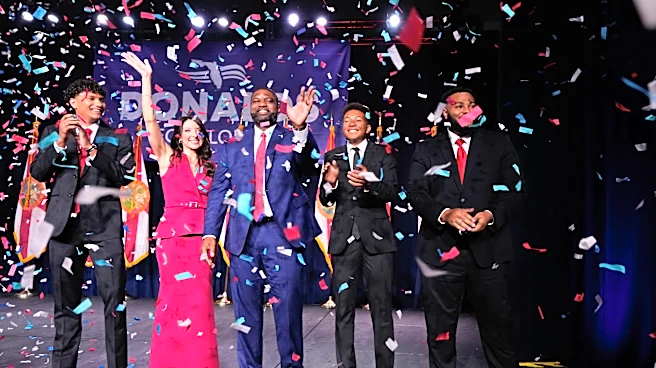
DSA-backed candidates like Angie Nixon have achieved upset victories, such as defeating establishment favorite Alex Vindman in the Florida Democratic Senate primary despite being heavily outspent, other candidates have faced setbacks. For instance, Francesca Hong, a democratic socialist state legislator in Wisconsin, narrowly lost the Democratic primary for governor to David Crowley. This loss, which followed scrutiny over Hong's past positions on issues like abolishing the police, has led some establishment Democrats, including former DNC chairman Jaime Harrison, to question the DSA's broader appeal in swing states and its ability to win in areas crucial for securing a majority. Republicans are closely observing these developments, eager to portray the entire Democratic Party as far-left in anticipation of upcoming elections.
Why It's Important?
The DSA's fluctuating success in recent primaries is a critical indicator of the ongoing ideological struggle within the Democratic Party. The ability of DSA-backed candidates to win in some contexts, even against significant financial disadvantages, suggests a growing appetite for progressive policies among certain segments of the electorate. However, the losses in other areas highlight the challenges of translating a progressive platform into widespread electoral success, particularly in more moderate or swing districts. This internal dynamic within the Democratic Party has significant implications for its future direction, policy priorities, and electoral strategies. It also impacts the broader U.S. political landscape, as Republicans are actively using the DSA's platform to frame the Democratic Party as extreme, potentially influencing public perception and voter behavior in national elections.
Beyond the Headlines
The DSA's efforts to remake the Democratic Party extend beyond individual election outcomes, touching upon fundamental questions about political identity and the future of American liberalism. The tension between the DSA's progressive agenda and the more centrist wing of the Democratic Party reflects a broader societal debate about economic inequality, social justice, and the role of government. The success or failure of DSA candidates can influence the Democratic Party's platform, potentially pushing it further left on issues like healthcare, climate change, and economic policy. This internal struggle also impacts voter engagement, as it can energize a progressive base while potentially alienating moderate voters. Ultimately, the DSA's trajectory will help define what it means to be a Democrat in the coming decades, shaping the party's ability to build broad coalitions and address the nation's most pressing challenges.