





What's Happening?
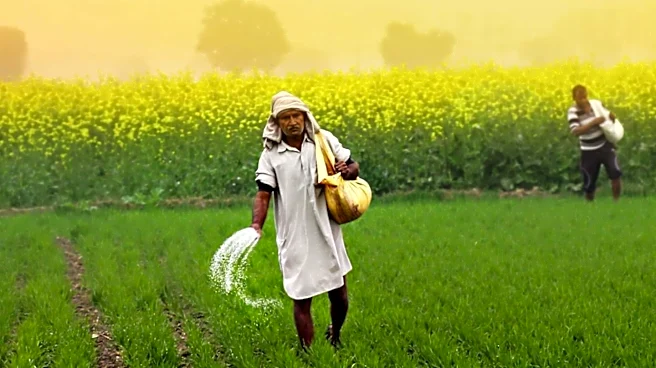
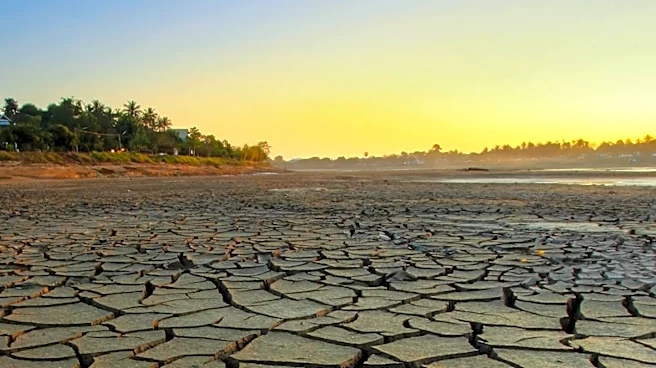
The United States Department of Agriculture (USDA) has officially designated 13 counties in North Carolina as natural disaster areas due to severe drought conditions. These primary counties include Avery, Burke, Caldwell, Caswell, Catawba, McDowell, Mitchell,
Polk, Robeson, Rockingham, Rutherford, Stokes, and Yancey. Additionally, numerous contiguous counties in North Carolina, South Carolina, Tennessee, and Virginia are also eligible for assistance. The designation was triggered by drought intensity values of D2 (Severe Drought) for eight or more consecutive weeks, or D3 (Extreme Drought) or D4 (Exceptional Drought) during the growing season, as reported by the U.S. Drought Monitor. This Secretarial natural disaster designation enables the USDA Farm Service Agency (FSA) to provide emergency credit to agricultural producers affected by the drought. The application deadline for these recovery loans is June 21, 2027.
Why It's Important?
This designation is crucial for agricultural producers in the affected regions, as it unlocks access to much-needed emergency loans through the USDA's Farm Service Agency. These loans are designed to help farmers recover from the financial setbacks caused by the drought, allowing them to replace essential items like equipment or livestock, reorganize their farming operations, or refinance certain debts. The availability of these funds can prevent widespread farm closures and help maintain the stability of the agricultural sector in these states. Without such assistance, many farmers could face significant economic hardship, potentially leading to reduced crop yields, livestock losses, and a broader impact on local economies that rely on agricultural production. The long application deadline provides a substantial window for affected producers to apply for and receive aid.
What's Next?
Agricultural producers in the designated primary and contiguous counties can now apply for emergency loans through the USDA Farm Service Agency. The FSA will evaluate loan applications based on the extent of losses incurred, the security available, and the applicant's ability to repay the loan. Farmers are encouraged to contact their local USDA Service Center to file a Notice of Loss and inquire about available programs, including the Supplemental Disaster Relief Program (SDRP) and the Tree Assistance Program (TAP). The application window for these recovery loans extends until June 21, 2027, providing ample time for affected individuals to gather necessary documentation and submit their applications. The USDA will continue to monitor drought conditions and assess the need for further assistance or designations.
Beyond the Headlines
The recurring nature of drought-related disaster declarations highlights the increasing vulnerability of U.S. agriculture to climate variability and extreme weather events. While emergency loans provide immediate relief, the long-term implications point to a need for more resilient farming practices and water management strategies. This situation underscores the economic and social ripple effects of climate change, impacting not only individual farmers but also the broader food supply chain and rural communities. The USDA's role in providing these safety nets is critical, but there's an ongoing discussion about how to proactively mitigate such risks rather than solely reacting to them. This event could also spur further research and investment into drought-resistant crops and sustainable irrigation techniques to safeguard future agricultural productivity.