





What's Happening?
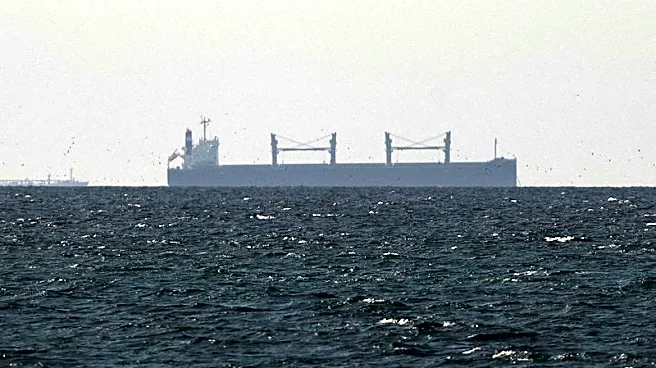
The International Monetary Fund (IMF) has warned that the ongoing conflict in the Middle East is leading to higher global inflation and slower economic growth. The war has caused significant disruptions in global energy supply, with Iran's blockade of
the Strait of Hormuz affecting oil and gas shipments. The IMF is set to release a new World Economic Outlook, which is expected to downgrade global growth forecasts and raise inflation projections. The conflict's impact on energy supply chains and related industries, such as fertilizers and helium, is contributing to these economic challenges.
Why It's Important?
The IMF's warning highlights the far-reaching impact of the Middle East conflict on the global economy. Higher inflation and slower growth could have significant implications for countries worldwide, particularly those reliant on energy imports. The disruption in energy supply chains could lead to increased costs for businesses and consumers, affecting economic stability and growth prospects. The IMF's revised forecasts will be closely watched by policymakers and investors as they assess the potential long-term effects of the conflict on the global economy.
What's Next?
The IMF's upcoming World Economic Outlook will provide further insights into the potential economic impact of the Middle East conflict. Policymakers and investors will need to consider strategies to mitigate the effects of rising inflation and slower growth. The conflict's impact on energy supply chains and related industries will be closely monitored, as any resolution or escalation could significantly influence global economic dynamics.