




What's Happening?
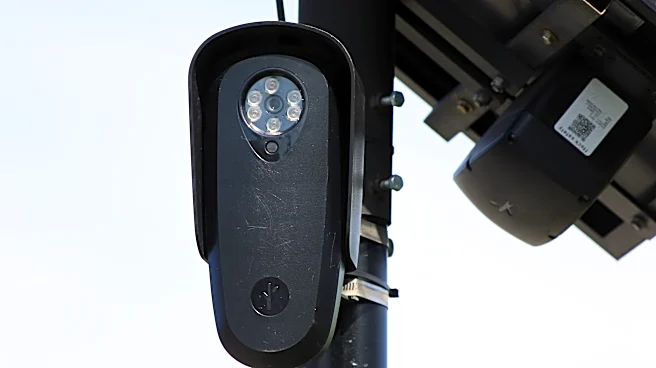
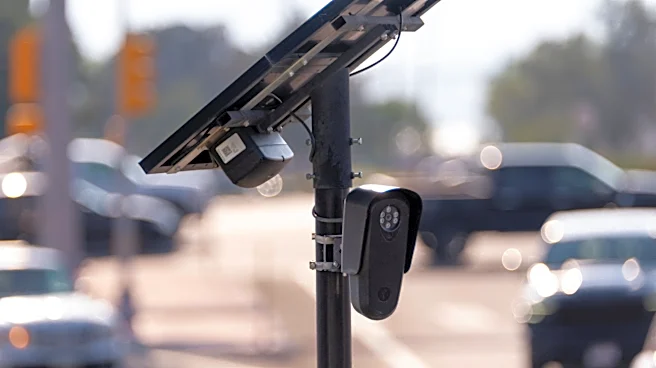
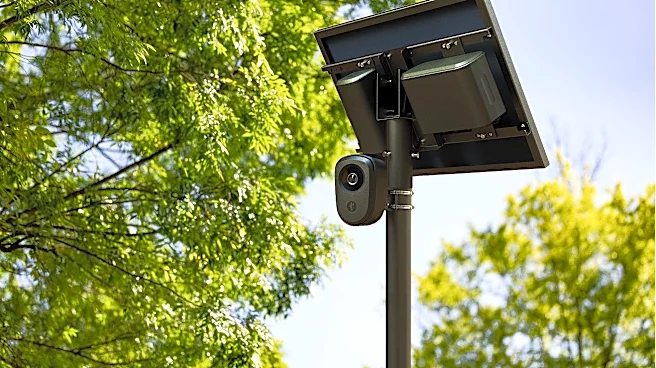
The Stow Police Department (SPD) has ended its relationship with Flock Safety, a provider of automated license plate reader (ALPR) cameras, after one of its officers, Jason Rogers, was accused of misusing the surveillance technology and other police databases.
Officer Rogers was placed on unpaid leave on July 31 and faces termination proceedings and criminal charges. The allegations stem from a complaint received on June 18 from a Worcester County resident, who was known to Rogers, claiming improper access to personal information. An internal affairs investigation, lasting four weeks, found that Rogers allegedly ran vehicle information through Flock Safety multiple times for no legitimate law enforcement reason and accessed the state's criminal records database at least five times for non-law enforcement purposes, which is illegal under state law. Stow Police Chief Michael Sallese terminated the department's contract with Flock Safety as a direct result of Rogers's alleged conduct, with the last camera removed in early August.
Why It's Important?
This incident highlights growing concerns across the U.S. regarding privacy and potential misuse of surveillance technology by law enforcement. The decision by the Stow Police Department to cut ties with Flock Safety underscores the serious implications of officer misconduct and the erosion of public trust when such technologies are improperly utilized. The case in Stow follows a similar incident in New Bedford, where an officer was accused of using Flock Safety cameras to track an ex-girlfriend, leading to a temporary suspension of the technology there. These events contribute to a broader national debate about the balance between public safety and individual privacy rights, particularly as more than 80 law enforcement agencies in Massachusetts alone use Flock cameras. The actions taken by Stow and New Bedford could influence other communities to re-evaluate their contracts with surveillance technology providers, potentially leading to more stringent oversight or outright termination of such agreements.
What's Next?
Officer Jason Rogers faces termination proceedings and criminal charges, with a criminal complaint filed on July 17 and the matter forwarded to the Middlesex County District Attorney’s Office. The Stow Select Board is scheduled to hold an employment status hearing with Rogers on August 26. The Stow Police Department has expressed its commitment to restoring public trust and ensuring sensitive law enforcement information is accessed and protected appropriately. This incident may prompt other Massachusetts communities and law enforcement agencies nationwide to review their policies and procedures regarding the use of ALPR cameras and access to sensitive databases. It could also lead to increased calls for legislative action to regulate the deployment and use of such surveillance technologies, potentially influencing future procurement decisions and privacy safeguards across the country.
Beyond the Headlines
The alleged misuse of Flock Safety cameras by a Stow police officer delves into deeper ethical and legal implications concerning the power of surveillance technology in the hands of law enforcement. Beyond the immediate breach of trust, this incident raises questions about the adequacy of existing oversight mechanisms and the training provided to officers on the ethical boundaries of their access to sensitive data. The 'meritocratic consensus' in higher education, where resources are disproportionately allocated to already advantaged students, mirrors a societal challenge where access to power and information can be exploited. The incident in Stow could serve as a catalyst for a broader re-evaluation of how technology is integrated into policing, emphasizing the need for robust accountability frameworks to prevent personal biases and relationships from compromising official duties. It also highlights the ongoing tension between technological advancements for public safety and the fundamental right to privacy, potentially shaping future legal precedents and public policy debates on digital surveillance.