


What's Happening?
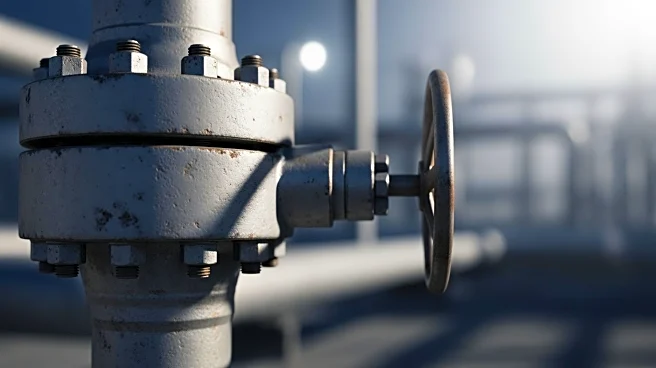
Croatia has declined a request from Hungary and Slovakia to transport Russian oil through its territory, as announced by Croatian Economy Minister Ante Susnjar on February 16. This decision comes after the suspension of Russian oil flows through the Druzhba
pipeline via Ukraine, which has been disrupted since late January due to ongoing Russian attacks on Ukraine's energy infrastructure. Hungary and Slovakia, which rely on Russian crude, sought Croatia's assistance to secure oil supplies through the Adria pipeline. However, Croatia has refused, citing the need to comply with EU law and U.S. Treasury Department regulations. The Croatian minister emphasized that no EU country should remain dependent on Russian oil, as it funds the ongoing conflict in Ukraine.
Why It's Important?
The refusal by Croatia to facilitate the transport of Russian oil to Hungary and Slovakia highlights the broader geopolitical tensions and energy security challenges in Europe. This decision underscores the EU's efforts to reduce dependency on Russian energy resources amid the ongoing conflict in Ukraine. For Hungary and Slovakia, which are still reliant on Russian crude, this poses a significant challenge to their energy security. The situation also reflects the complex dynamics within the EU, where member states must balance national energy needs with collective political and ethical considerations regarding the conflict in Ukraine. The disruption of the Druzhba pipeline, a major conduit for Russian oil to Europe, further complicates the energy landscape, potentially leading to increased energy costs and supply uncertainties for affected countries.
What's Next?
As Croatia stands firm on its decision, Hungary and Slovakia may need to explore alternative energy sources or routes to secure their oil supplies. This could involve increased reliance on other EU countries or international partners willing to provide energy resources. The situation may also prompt further diplomatic engagements within the EU to address energy security concerns and develop a unified response to Russian energy dependencies. Additionally, the ongoing conflict in Ukraine and its impact on energy infrastructure could lead to further disruptions, necessitating contingency planning by affected nations. The EU may also intensify efforts to diversify its energy sources and reduce reliance on Russian oil, aligning with broader strategic goals of energy independence and security.