








What's Happening?
Kristalina Georgieva, Managing Director of the International Monetary Fund (IMF), has warned of significant economic repercussions if the ongoing conflict in the Middle East continues into 2027. Speaking at the Milken Institute Global Conference, Georgieva outlined
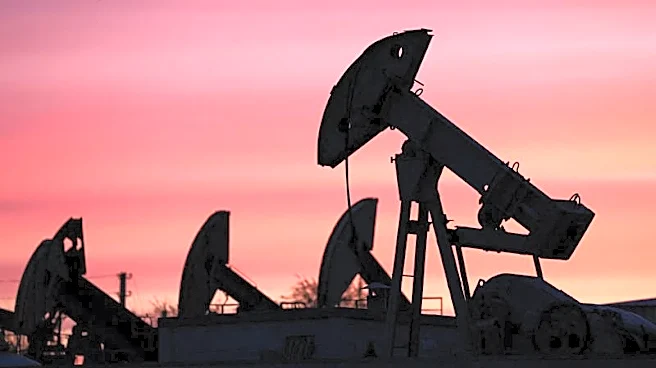
three scenarios for global GDP growth, with the 'severe scenario' predicting a substantial slowdown and increased inflation. The conflict has already led to rising oil prices, with forecasts suggesting prices could reach $125 per barrel. This situation could destabilize global markets, with inflationary pressures affecting economies worldwide.
Why It's Important?
The continuation of the Middle East conflict poses a serious threat to global economic stability. Rising oil prices could lead to increased costs for consumers and businesses, exacerbating inflation and slowing economic growth. The IMF's warning highlights the interconnectedness of global markets and the potential for regional conflicts to have far-reaching economic impacts. Policymakers and financial institutions may need to prepare for potential disruptions and consider measures to mitigate the effects on global supply chains and inflation.
What's Next?
If the conflict persists, the IMF and other international organizations may need to adjust their economic forecasts and provide guidance to member countries on managing the economic fallout. Governments may implement policies to stabilize markets and support affected industries. The situation could also prompt discussions on energy security and the need for alternative energy sources to reduce reliance on oil from conflict-prone regions.