






What's Happening?
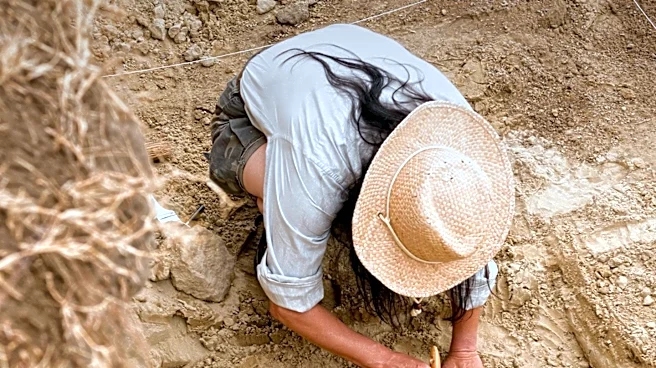
New research from Durham University, published in the journal World Archaeology, reveals that insects have been a part of human diets for thousands of years, challenging modern perceptions of what constitutes food. Professor Lisa-Marie Shillito's study
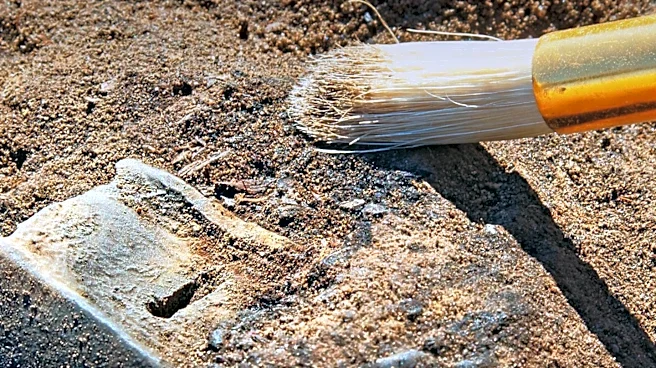
explores archaeological evidence from around the world, including North America and Australia, showing traces of insect consumption in ancient human waste, tools, and cooking equipment. While insects remain a traditional food source in many parts of Africa, Asia, and Latin America, Western societies often view them with disgust. The research aims to demonstrate how understanding this long culinary heritage can help reframe discussions about sustainable diets and alternative protein sources in the present day.
Why It's Important?
This research is important for the U.S. and other Western societies as it challenges deeply ingrained cultural biases against entomophagy (insect eating). As global food systems face increasing pressure to become more sustainable, alternative protein sources are gaining attention. Insects offer environmental benefits, such as requiring less land and producing lower greenhouse gas emissions compared to conventional livestock. By highlighting the historical acceptance of insects as food, the study aims to reduce the 'ick' factor and encourage a more open-minded approach to incorporating insects into modern diets. This could have significant implications for food security, environmental sustainability, and the development of new food industries in the U.S., potentially creating new markets and consumer choices.
What's Next?
The findings suggest a potential shift in how alternative proteins, specifically insects, are perceived and integrated into future food systems. Researchers hope that by recognizing insects as part of humanity's food heritage, there will be a broader understanding and acceptance of their role in building more diverse and resilient food supplies. This could lead to increased investment in insect farming, the development of insect-based food products, and public education campaigns aimed at normalizing entomophagy. For consumers, this might mean encountering more insect-derived ingredients in processed foods or even whole insects in specialty markets, gradually changing dietary norms and expanding culinary horizons.
Beyond the Headlines
The study delves into the deeper cultural and psychological dimensions of food perception. It highlights how archaeological findings can challenge contemporary assumptions and biases, revealing the fluidity of what is considered 'edible' across different cultures and historical periods. This has implications beyond just insects, encouraging a critical examination of how cultural norms shape our dietary choices and our willingness to adopt sustainable practices. The research implicitly calls for a re-evaluation of our relationship with the natural world and a greater appreciation for diverse food sources, fostering a more adaptable and resilient approach to future food challenges. It underscores the idea that 'food' is a social construct, not merely a biological necessity.