





What's Happening?
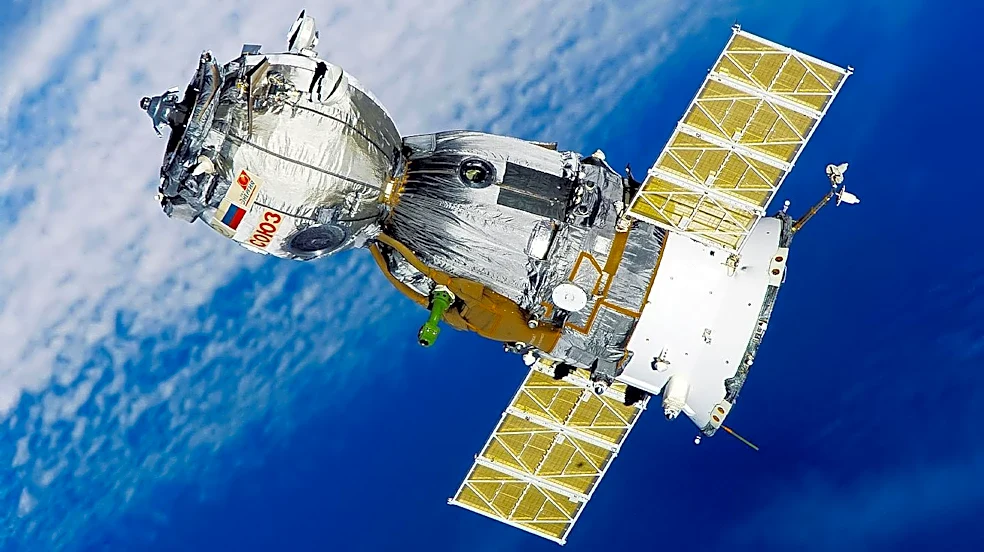
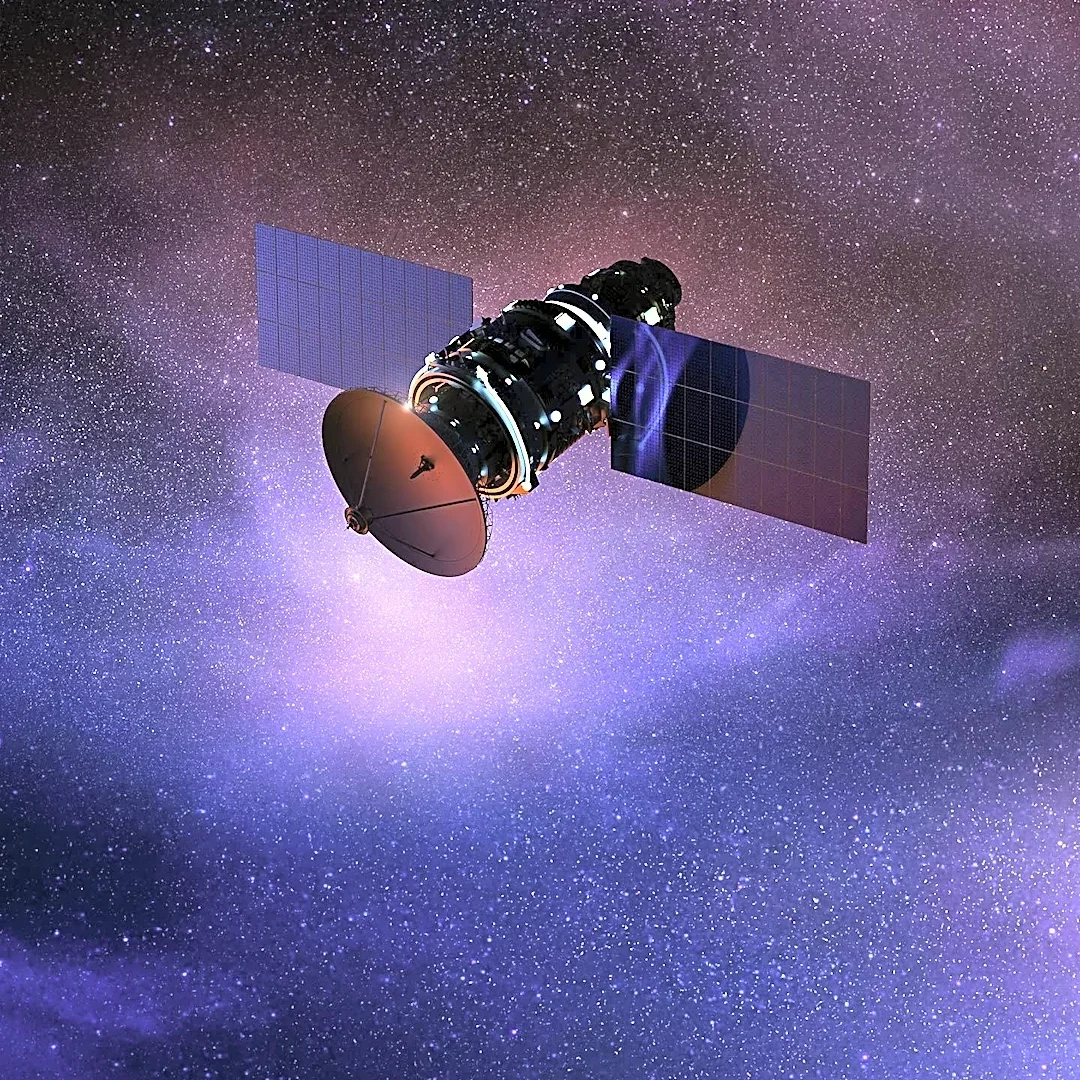
A Russian military satellite, Kosmos-2612, made an exceptionally close approach to a commercial satellite, ICEYE-X36, which is registered in the United States, operated by a Finnish company, and provides intelligence to Ukraine. The incident occurred
shortly after midnight on October 18, with the Russian satellite coming within 150 to 200 meters of the ICEYE satellite. Bruce McClintock, a space policy researcher at the RAND Corporation and a retired Air Force brigadier general, described this proximity as 'exceptionally close' and 'unlikely to be operationally routine,' noting it constitutes a 'legitimate safety and security concern.' While not automatically indicative of an attack or hostile intent, the maneuver is considered provocative and consistent with sophisticated rendezvous and proximity operations. This event is part of a broader pattern of escalating activities in space involving Russia, the United States, and China, fueling concerns about a potential arms race or conflict in orbit.
Why It's Important?
This close encounter in orbit carries significant implications for international space security and the conduct of space operations. The proximity of a Russian military satellite to one providing intelligence to Ukraine raises questions about potential interference, jamming, or even physical harm to critical space assets. Such actions can destabilize the space environment, increasing the risk of accidental collisions and the creation of dangerous space debris, which threatens all orbiting satellites. For the U.S. and its allies, this incident underscores the vulnerability of commercial satellites that play crucial roles in national security and intelligence gathering. It also highlights the ongoing challenge of defining and enforcing norms of behavior in space, where 'due regard' for other operators remains largely undefined. The event could prompt further discussions and potential policy responses regarding the protection of space assets and the deterrence of aggressive maneuvers in orbit.
What's Next?
The international community, particularly spacefaring nations, will likely continue to monitor the behavior of Kosmos-2612 and other satellites involved in such close approaches. While a formal complaint under the Outer Space Treaty might be considered, such actions typically lead only to consultations, as the treaty's 'due regard' clause lacks precise definition and enforcement mechanisms. Stakeholders, including the U.S. Space Force and commercial satellite operators, will likely assess the implications for satellite design, operational procedures, and defensive capabilities. This incident could also accelerate efforts to develop international agreements or codes of conduct for responsible behavior in space to prevent future escalations. The event serves as a stark reminder of the increasing militarization of space and the need for robust diplomatic and technological strategies to maintain stability and prevent conflict in this critical domain.
Beyond the Headlines
Beyond the immediate concerns of satellite safety, this incident reflects a deeper geopolitical competition extending into the space domain. The 'chasing' behavior of the Russian satellite can be interpreted as a form of signaling, testing adversaries' red lines and resolve, and gathering intelligence on satellite capabilities. This 'gray zone' activity in space blurs the lines between peaceful operations and hostile intent, making attribution and response complex. The event also highlights the growing reliance on commercial satellites for national security functions, making them potential targets in future conflicts. This integration of commercial assets into military operations necessitates a re-evaluation of international space law and norms, which were largely established during an era dominated by state-owned space programs. The long-term implications could include a more fragmented and contested space environment, where the risk of miscalculation or accidental escalation is significantly heightened, potentially impacting global communications, navigation, and intelligence gathering.