


What's Happening?
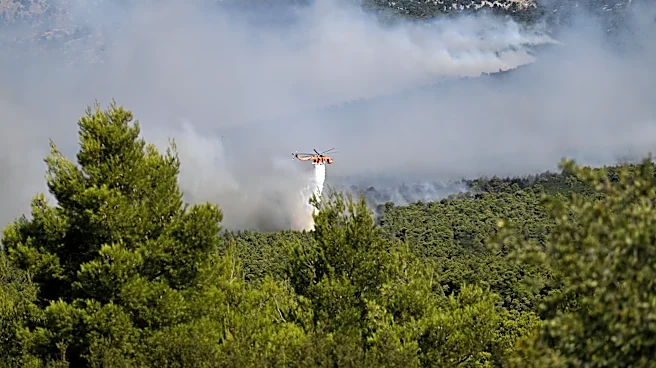
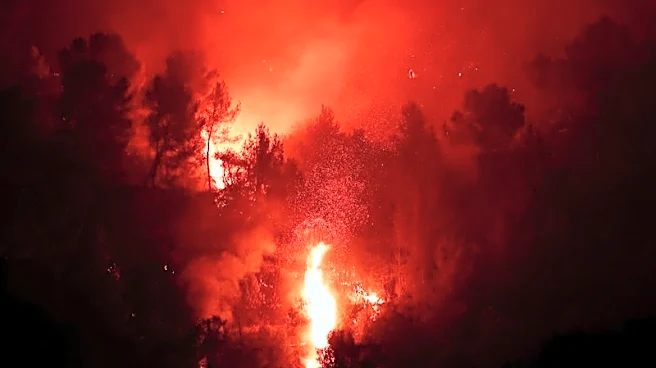
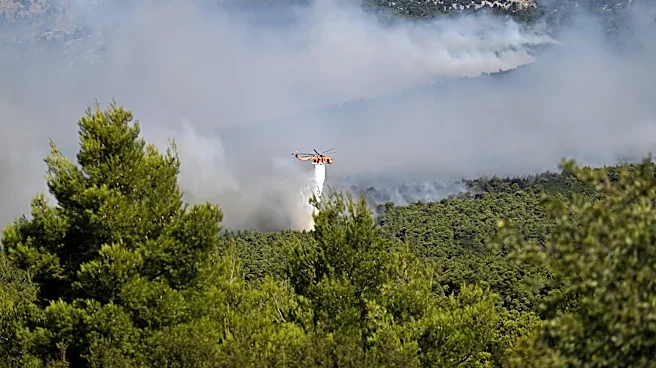
Greece is currently experiencing a severe wildfire crisis, with gale-force winds exacerbating the situation in the Athens region. The fires have prompted evacuations in western Attica, threatening villages and industrial areas near Megara. Despite efforts
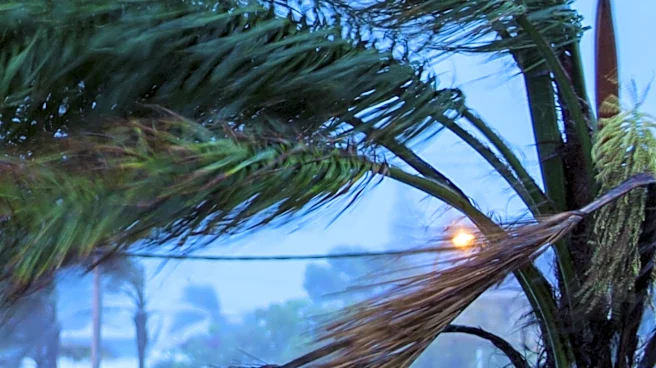
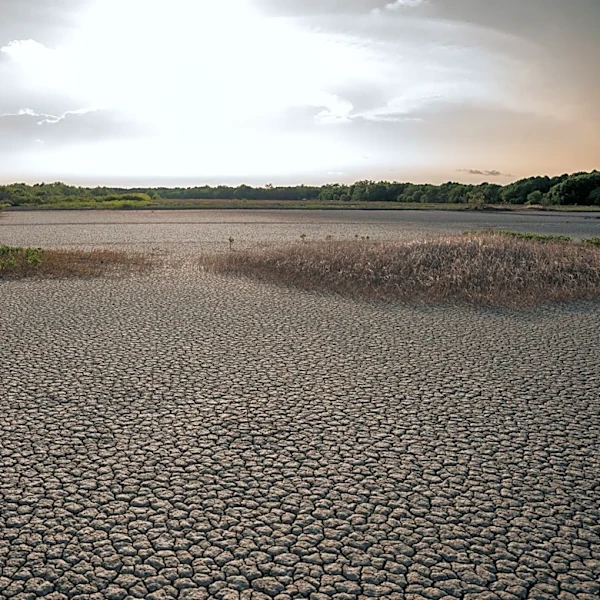
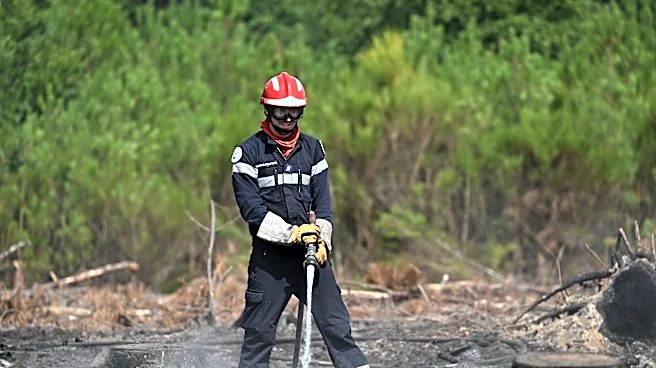
by nearly 500 firefighters and 23 aircraft, the strong winds have hindered firefighting operations, making it difficult for aircraft to collect water from the sea. The fires have already affected significant areas, with smoke rising over the mountains and evacuation orders issued for several communities. This crisis is part of a broader wildfire emergency affecting Europe, driven by climate change and prolonged drought conditions.
Why It's Important?
The wildfires in Greece highlight the increasing frequency and intensity of climate-related disasters in Europe, which is warming at more than twice the global average. The situation underscores the urgent need for effective climate action and disaster preparedness. The fires have not only caused environmental destruction but also displaced thousands of people, straining emergency services and resources. The economic impact is significant, affecting tourism and local economies. The crisis serves as a stark reminder of the vulnerabilities faced by regions prone to extreme weather events, emphasizing the need for global cooperation in addressing climate change.
What's Next?
As the fires continue to burn, Greek authorities are likely to focus on containment efforts and preventing further spread. The government may need to implement additional evacuation plans and provide support to affected communities. International assistance could be sought to bolster firefighting efforts. In the long term, Greece and other European countries may need to invest in more robust fire prevention and response strategies, as well as address the underlying causes of climate change. The situation may also prompt discussions on policy changes at the EU level to enhance climate resilience.