






What's Happening?
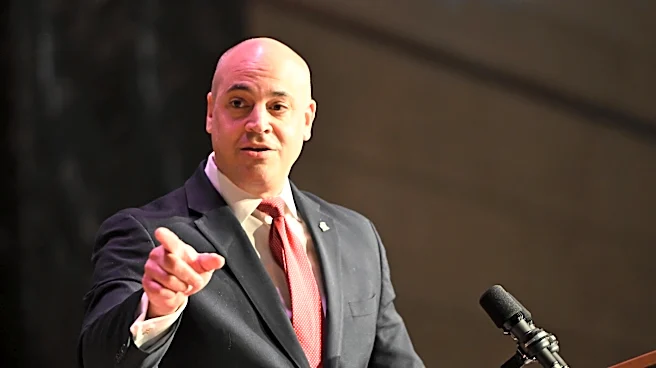
Agostino Abbatiello, 24, identified as the ringleader of a cocaine-trafficking organization involving Penn State University students and two fraternities, surrendered to authorities and was subsequently denied bail. Attorney General Dave Sunday announced
that Abbatiello was arraigned on multiple felony charges, including possession with intent to deliver cocaine and conspiracy. Abbatiello and 13 other defendants were charged following an investigation by the Office of Attorney General, State College Police Department, and the 54th Statewide Investigating Grand Jury. According to the investigation, Abbatiello and Thomas Robinson were the primary suppliers, making frequent trips to Philadelphia and New York for large quantities of cocaine. The drugs were then processed and distributed, mainly to Penn State University students, often at the Delta Upsilon and Sigma Chi fraternity houses. Thirteen of the charged defendants were Penn State students at the time of the alleged conduct in 2023 and 2024.
Why It's Important?
This case highlights the serious issue of drug trafficking within university communities and the potential for organized criminal activity to infiltrate student organizations. The involvement of Penn State University students and fraternities underscores the vulnerability of young adults to such schemes and the broader societal problem of drug abuse. The denial of bail for the alleged ringleader, Agostino Abbatiello, signals the severity of the charges and the commitment of law enforcement to address organized crime. This incident can have significant repercussions for the implicated fraternities, potentially leading to disciplinary actions from the university and national organizations. It also serves as a stark warning to students about the legal and personal consequences of involvement in drug-related activities, emphasizing the need for increased awareness and prevention efforts on college campuses across the U.S.
What's Next?
Agostino Abbatiello and the other charged defendants will proceed to preliminary hearings, where the evidence against them will be presented. The Office of Attorney General Drug Strike Force Section will prosecute the cases. The legal proceedings are expected to be extensive, given the number of defendants and the serious nature of the charges, including corrupt organizations and conspiracy. Penn State University may also conduct its own internal investigations and take disciplinary actions against any students or fraternities found to be involved. This incident could prompt universities nationwide to review and strengthen their policies regarding drug enforcement, campus safety, and the oversight of student organizations, particularly fraternities and sororities, to prevent similar occurrences in the future.
Beyond the Headlines
The alleged cocaine trafficking operation involving Penn State fraternities exposes a darker side of campus life, challenging the idealized image of higher education. This incident raises profound questions about the culture within some university fraternities, the pressures students face, and the accessibility of illicit substances in seemingly secure environments. Beyond the immediate legal consequences, there are significant ethical and social implications for the university community, including potential damage to the reputation of Penn State and Greek life as a whole. This case could spark a broader national conversation about drug education, mental health support, and the responsibilities of universities and student organizations in fostering safe and healthy environments. It also underscores the persistent challenge of combating drug distribution networks, even in seemingly unexpected settings, and the need for continuous vigilance from law enforcement and educational institutions.