





What's Happening?
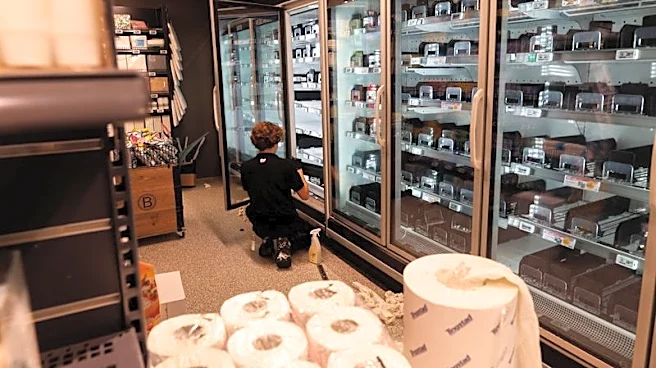
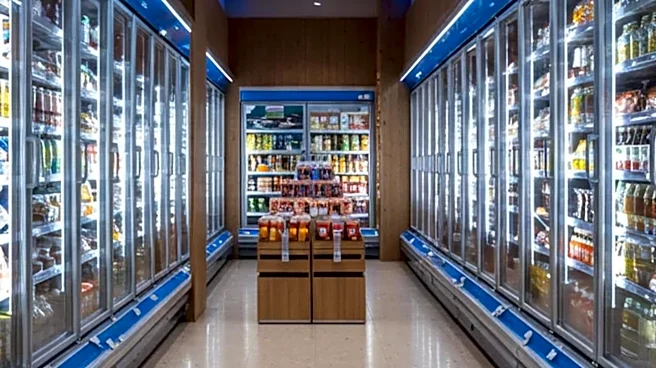
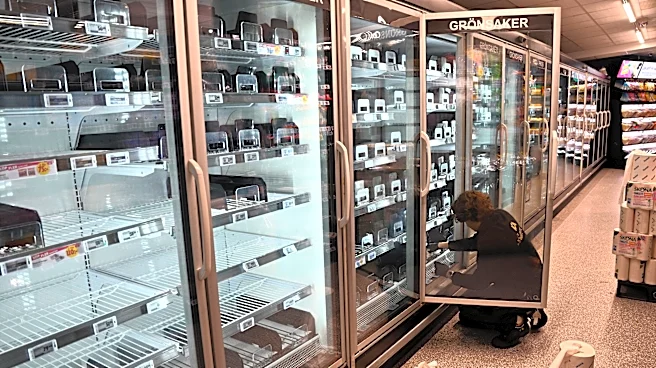
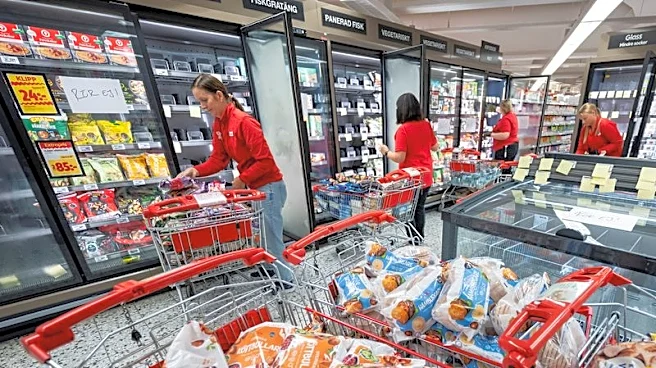
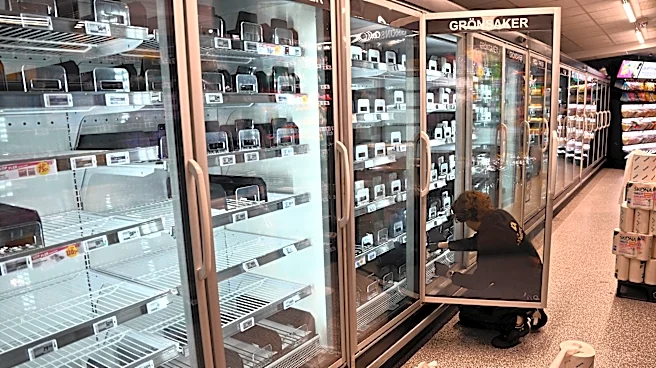
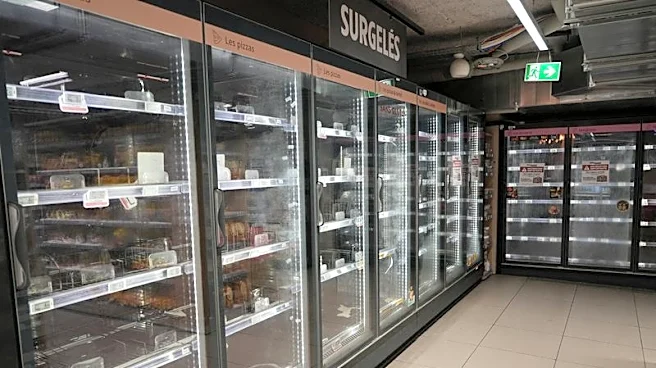
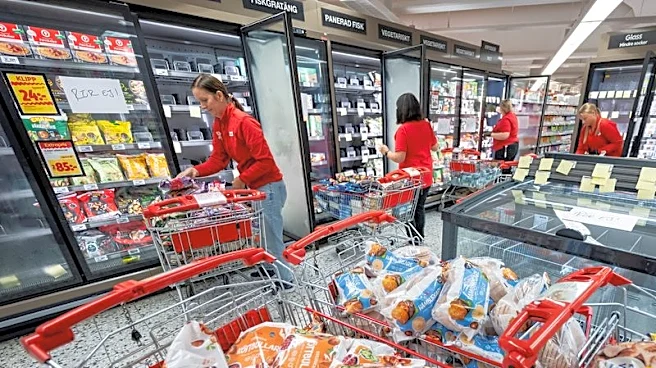
Supermarkets in Germany, Romania, and the United Kingdom have reported cyberattacks that manipulated refrigeration systems, raising temperatures and spoiling significant amounts of food. These incidents bring the total number of affected European countries
to at least 11, following earlier reports from Belgium, Estonia, Finland, Ireland, Italy, Luxembourg, the Netherlands, Portugal, and Sweden. The European Union has called for a collective response, with EU spokesperson Thomas Regnier stating that these are 'not isolated incidents' and emphasizing the need for collective resilience. The motive behind the attacks remains unknown, and no group has claimed responsibility. While a Romanian official suggested the attacks appeared 'semi-amateurish' and did not suspect a state actor, the widespread nature of the incidents has prompted investigations, including one by federal prosecutors in Belgium.
Why It's Important?
These cyberattacks highlight significant vulnerabilities within critical infrastructure, specifically the food supply chain across Europe. The ability of hackers to disrupt refrigeration systems directly impacts food safety, leads to substantial economic losses for supermarkets, and could potentially affect food availability. The coordinated nature of the attacks across multiple countries suggests a sophisticated or widespread threat, even if individual incidents are deemed 'semi-amateurish.' The EU's call for a collective response underscores the transnational nature of cyber threats and the necessity for international cooperation in cybersecurity. For consumers, such attacks raise concerns about the security of essential services and the potential for broader disruptions. The incidents also serve as a stark reminder for businesses, particularly those relying on interconnected operational technology, to enhance their cybersecurity defenses and regularly update their systems.
What's Next?
The EU's agencies are currently engaging with national authorities to formulate a joint response to these cyberattacks. This will likely involve sharing intelligence, coordinating defensive measures, and potentially developing new cybersecurity protocols for critical infrastructure sectors like retail and food supply. Supermarket chains, particularly those with older network infrastructure, are expected to accelerate upgrades to more secure systems, such as moving refrigeration equipment to 5G networks, as seen with Coop in Sweden. Cybersecurity experts are urging retailers to audit their internet-connected refrigeration controllers, ensure they are not directly accessible from the internet, and apply the latest security updates. Investigations into the perpetrators and their motives will continue, with potential implications for cybersecurity policy and enforcement across Europe.
Beyond the Headlines
The supermarket cyberattacks reveal a growing threat landscape where operational technology (OT) systems, often less secured than traditional IT networks, are becoming targets. The manipulation of physical systems like refrigeration units demonstrates a shift from data theft or denial-of-service attacks to direct physical disruption, which can have tangible and immediate consequences. This raises broader questions about the security of the Internet of Things (IoT) devices and industrial control systems that underpin modern infrastructure. The incident also highlights the potential for 'low-tech' vulnerabilities (like old 4G networks) to be exploited for widespread impact. The lack of clear attribution for these attacks further complicates the response, making it difficult to deter future incidents. This event could catalyze a more robust regulatory framework for OT security and greater investment in securing the physical components of critical supply chains.