




What's Happening?
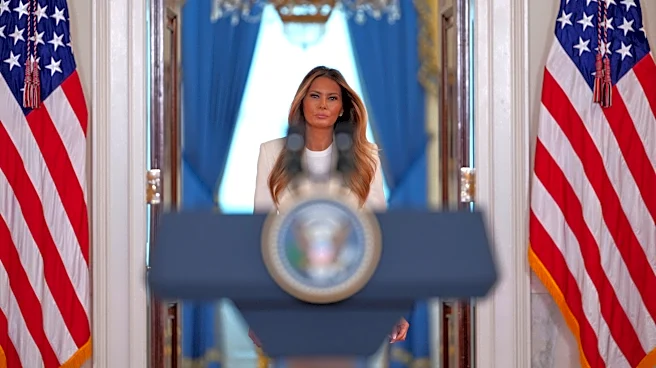
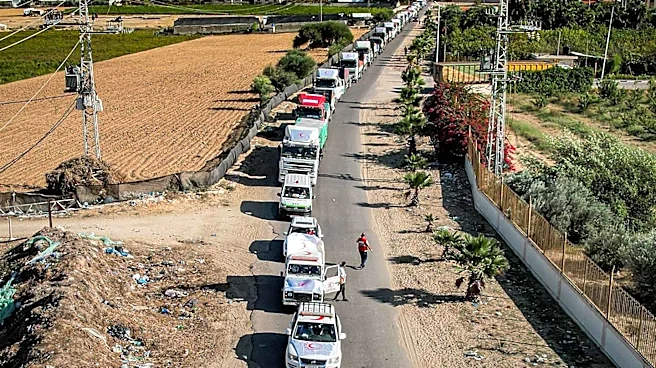
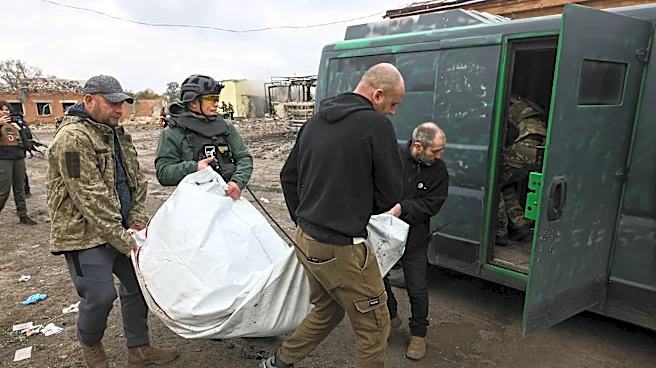
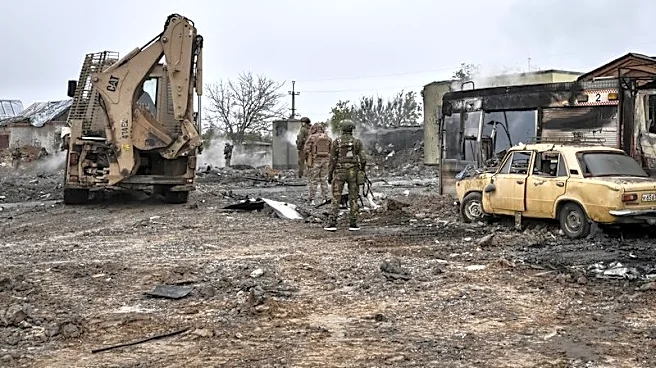
First Lady Melania Trump successfully brokered a local ceasefire in the Russian-occupied Ukrainian village of Oleshky, located in the Kherson region. The White House announced on October 23 that this truce was established to facilitate the delivery of humanitarian
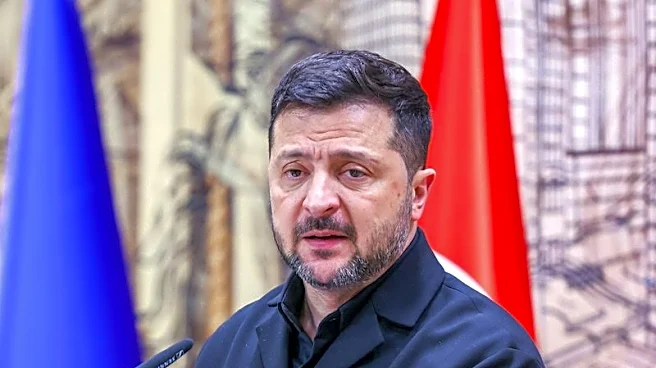
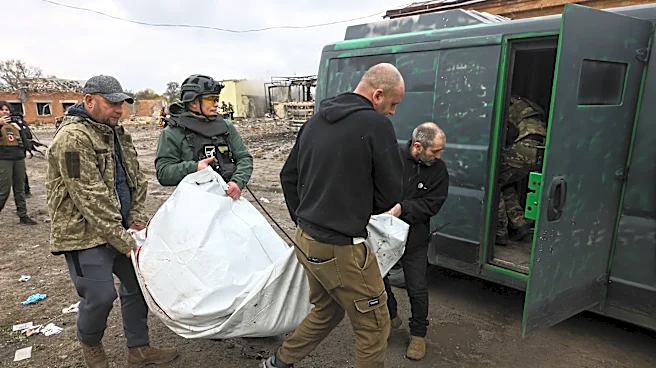
aid and the evacuation of civilians from the village, which she described as being 'on the brink of disaster.' The agreement was reached after negotiations involving Ukrainian, Russian, and U.S. representatives. The ceasefire was in effect from October 27 to November 1, marking the most significant truce since Russia's full-scale invasion of Ukraine four and a half years prior. During this period, an estimated 2,000 residents in Oleshky were offered options to evacuate to Ukrainian or Russian-controlled territory or remain with replenished supplies. Melania Trump later stated on social media that the humanitarian convoy safely evacuated over 750 people.
Why It's Important?
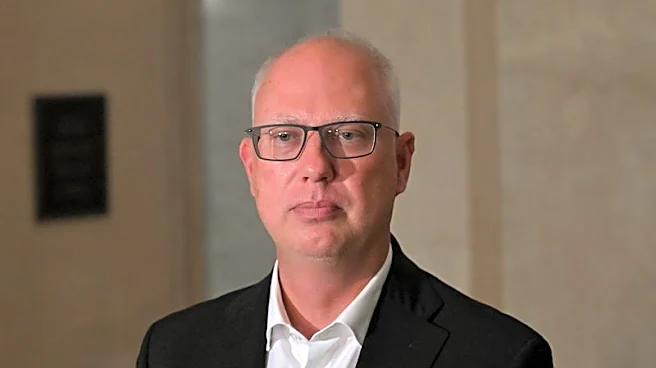
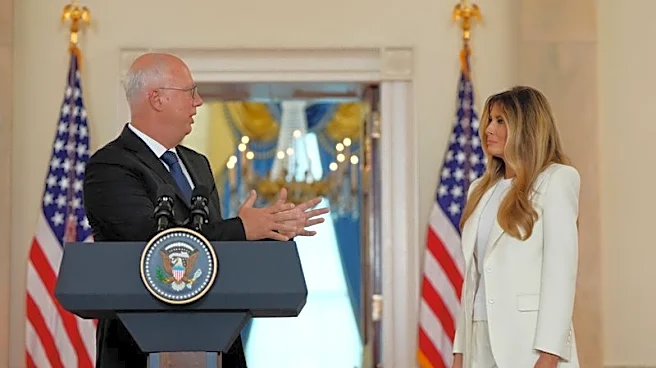
This localized ceasefire, brokered by First Lady Melania Trump, holds significant humanitarian importance, demonstrating a rare instance of cooperation between warring factions to alleviate civilian suffering. The successful evacuation of over 750 people and the delivery of aid highlight the potential for diplomatic efforts, even on a smaller scale, to have a tangible positive impact on populations affected by conflict. For the U.S., this initiative underscores a commitment to humanitarian principles and potentially opens avenues for future diplomatic engagement in the broader conflict. It also showcases the role of non-traditional diplomatic actors, such as the First Lady, in international relations. The event, attended by Russian and Ukrainian officials at the White House, provided a platform for dialogue, which is crucial in protracted conflicts. The success of this limited truce could serve as a model or inspiration for further humanitarian pauses, though its broader implications for a lasting peace remain uncertain.
What's Next?
First Lady Melania Trump expressed hope that this temporary suspension of hostilities in Oleshky could evolve into something more enduring. While the immediate ceasefire has concluded, the precedent set by this humanitarian initiative could encourage further efforts to establish similar local truces in other conflict-affected areas. The engagement of Russian and Ukrainian officials at the White House, even for a limited purpose, suggests a potential, albeit narrow, channel for communication that might be leveraged in future diplomatic endeavors. However, the broader geopolitical landscape of the conflict remains complex, and it is unclear if this localized success will translate into significant progress towards a comprehensive peace agreement. International organizations and humanitarian groups will likely continue to advocate for and monitor opportunities for safe passage and aid delivery in Ukraine, potentially drawing on the lessons learned from the Oleshky ceasefire.
Beyond the Headlines
The involvement of First Lady Melania Trump in brokering this ceasefire highlights the evolving nature of diplomatic engagement and the potential for non-traditional actors to influence international affairs. Her role, distinct from formal state-to-state negotiations, underscores the 'soft power' aspect of diplomacy, focusing on humanitarian outcomes. This event also subtly challenges the perception of an intractable conflict by demonstrating that limited cooperation is possible, even between adversaries. The focus on a specific, localized humanitarian crisis, rather than the broader political conflict, allowed for a common ground to be found. This approach could be seen as a pragmatic way to address immediate human suffering while larger political solutions remain elusive. It also raises questions about the effectiveness of such 'micro-diplomacy' in influencing the overall trajectory of major international conflicts.