

What's Happening?
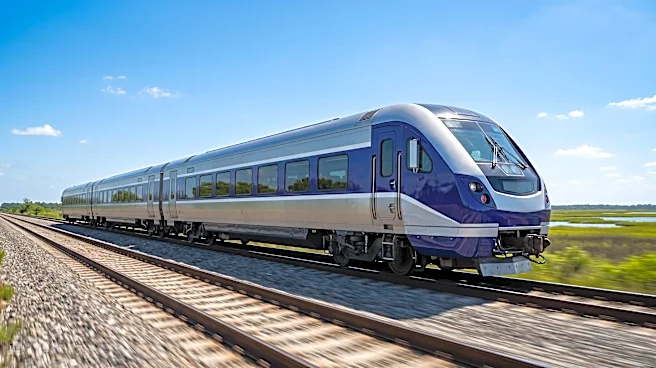
Senator Roger Wicker is celebrating the significant success of the Gulf Coast passenger rail service, which has exceeded initial expectations in its first year of operation. The Mardi Gras Service, connecting Mobile to New Orleans with stops in Mississippi,
sold 150,000 tickets by its first anniversary, more than double the initial estimate of 71,000 tickets for the entire year. This success is attributed to the service's predictability, with trains running twice daily at consistent times, and its convenience, offering an alternative to driving for events like Saints football games. Customers have also praised the comfortable and well-equipped train environment. However, Senator Wicker acknowledged a recent dip in punctuality for the Mardi Gras Services, which began in June. This decline is partly due to Mississippi's summer temperatures requiring lower speeds on hot tracks and the complexities of coordinating freight and passenger trains on shared tracks. Wicker is actively working with Amtrak, freight rail lines, and local governments to resolve these issues and restore high timeliness levels.
Why It's Important?
The success of the Gulf Coast passenger rail service demonstrates a strong demand for alternative transportation options in the region and highlights the economic benefits that can arise from such infrastructure investments. The service has not only provided a convenient travel option for residents but has also attracted tourists, generating economic activity for the communities along the route, including Pascagoula, Biloxi, Gulfport, and Bay Saint Louis. This success story could serve as a model for other regions considering similar rail projects, showcasing the potential for increased tourism, job creation, and enhanced regional connectivity. Senator Wicker's proactive engagement in addressing punctuality issues is crucial for maintaining public trust and ensuring the long-term viability of the service. The challenges of coordinating freight and passenger trains on shared tracks are a common issue across the U.S. rail network, and finding effective solutions in this context could have broader implications for improving national rail efficiency and reliability. The project's positive impact on local economies and its role in fostering regional connections underscore the importance of continued investment in public transportation infrastructure.
What's Next?
Senator Wicker's ongoing efforts to collaborate with Amtrak, freight rail lines, and local governments indicate a concerted push to improve the punctuality of the Mardi Gras Service. This collaboration will likely involve exploring operational adjustments, scheduling optimizations, and potentially infrastructure improvements to better manage shared tracks. Solutions could include dedicated time slots for passenger trains, technological upgrades for better traffic management, or even discussions about expanding track capacity in the long term. The continued success and popularity of the service will likely encourage further investment in passenger rail infrastructure in the Gulf Coast and potentially other regions of Mississippi. Addressing the current challenges effectively will be vital for sustaining the positive momentum and ensuring that the service continues to meet customer expectations. The outcomes of these efforts could influence future policy decisions regarding rail infrastructure funding and inter-agency cooperation in transportation planning across the United States.
Beyond the Headlines
The Gulf Coast rail success story extends beyond mere transportation, touching upon themes of regional identity and community revitalization. The service has not only reconnected communities but has also fostered a sense of shared experience, as evidenced by the active 'Friends of Amtrak – Mardi Gras Service' Facebook group. This grassroots engagement highlights the social and cultural impact of accessible public transportation, creating new avenues for community interaction and shared appreciation of the region's unique heritage. The challenges faced, such as coordinating freight and passenger lines, reflect a broader national debate about prioritizing different modes of rail transport and the need for integrated infrastructure planning. The project's ability to attract global media attention also underscores the potential for regional initiatives to gain national and international recognition, boosting tourism and economic development. Ultimately, the Mardi Gras Service represents a successful blend of economic development, community building, and sustainable transportation, offering valuable lessons for future public-private partnerships in infrastructure development.