





What's Happening?
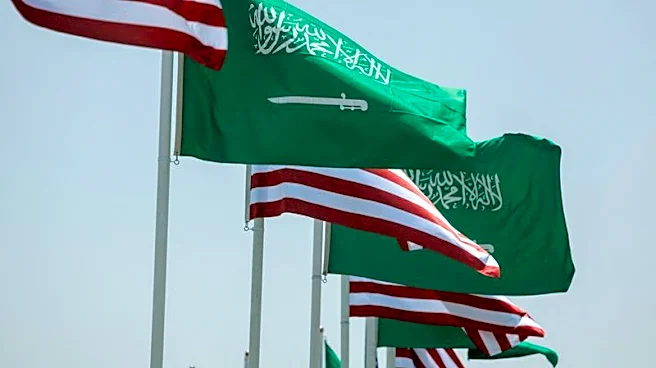
The Trump administration's decision to approve a nuclear energy cooperation agreement with Saudi Arabia has sparked debate over U.S. energy priorities. The deal, which involves the transfer of nuclear technology to Saudi Arabia, has been criticized for
potentially undermining U.S. nonproliferation policies in the Middle East. Critics argue that the agreement surrenders leverage that could have been used to encourage Saudi-Israeli normalization. Additionally, there is concern over why the U.S. is investing in Saudi Arabia's nuclear infrastructure when domestic nuclear energy expansion is needed. The agreement has also raised ethical questions due to Saudi Arabia's controversial human rights record.
Why It's Important?
The nuclear deal with Saudi Arabia is significant as it highlights the complex interplay between U.S. foreign policy, energy strategy, and nonproliferation goals. By prioritizing international nuclear agreements, the U.S. may be neglecting its own energy infrastructure needs, which could impact energy security and economic stability. The deal also raises ethical concerns, given Saudi Arabia's human rights record, and could affect U.S. relations with other Middle Eastern countries. The decision reflects broader geopolitical strategies, including countering Iranian influence, but may have long-term implications for U.S. leadership in global nonproliferation efforts.
What's Next?
The future of the U.S.-Saudi nuclear agreement may depend on political and public reactions. There could be increased pressure on the U.S. government to ensure strict oversight and transparency in the deal's implementation. Additionally, domestic calls for investing in U.S. nuclear infrastructure might grow, potentially influencing future energy policies. The agreement's impact on U.S.-Middle East relations will likely be monitored closely, especially regarding its influence on regional stability and nonproliferation efforts.