
What's Happening?
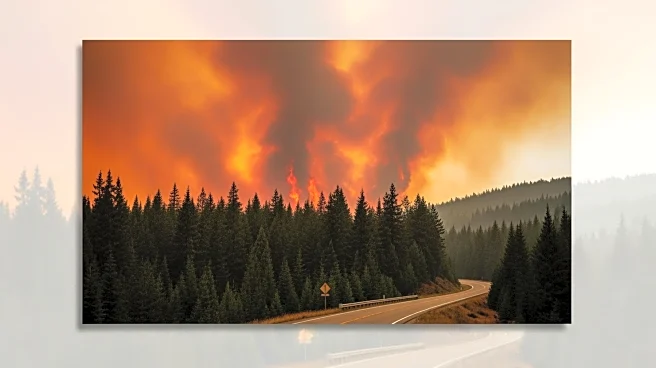
In mid-January 2026, wildfires erupted in south-central Chile, driven by hot and dry conditions. The fires have devastated over 30,000 hectares in the Biobío and Ñuble regions, leading to the evacuation
of 50,000 people and the destruction of more than 300 homes. The fires were exacerbated by gusty winds and temperatures exceeding 38 degrees Celsius. Chile's president declared a state of catastrophe, enabling additional resources to combat the fires and support affected communities. The fires are part of a broader pattern of extreme weather conditions affecting South America, with similar challenges faced in Argentina.
Why It's Important?
The wildfires in Chile highlight the increasing frequency and intensity of natural disasters linked to climate change. The destruction of homes and displacement of thousands underscore the urgent need for effective disaster management and climate adaptation strategies. The fires also pose significant environmental threats, including the loss of biodiversity and damage to ecosystems. Economically, the fires could strain local and national resources, impacting recovery efforts and long-term economic stability. The situation calls for international cooperation in addressing climate-related challenges and enhancing resilience against future disasters.