




What's Happening?
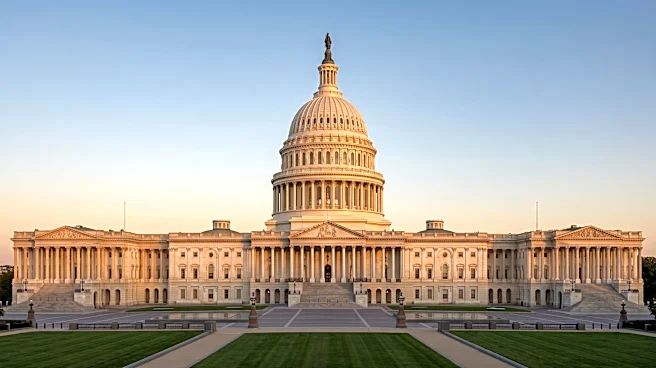
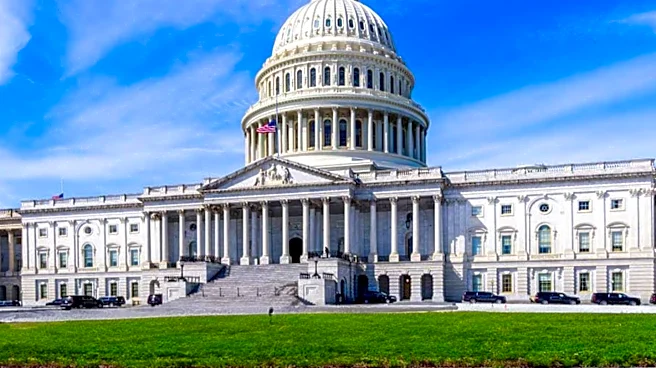
The U.S. midterm elections are entering their decisive phase, with two months remaining until the November ballot. The elections will determine all 435 seats in the House of Representatives and one-third of the 100 Senate seats. Democrats are currently
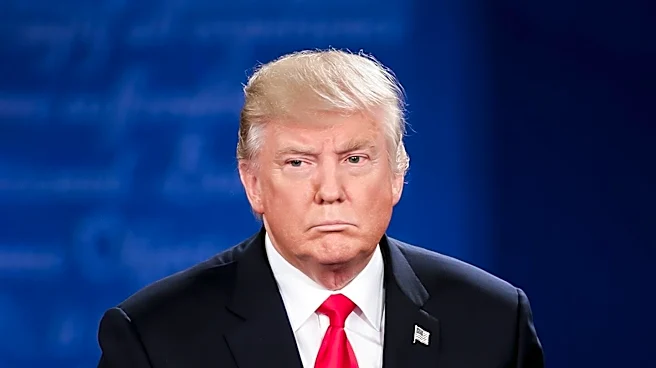
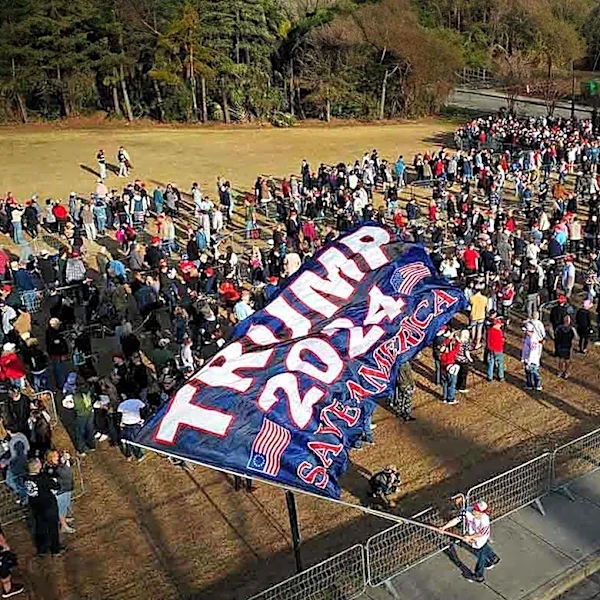
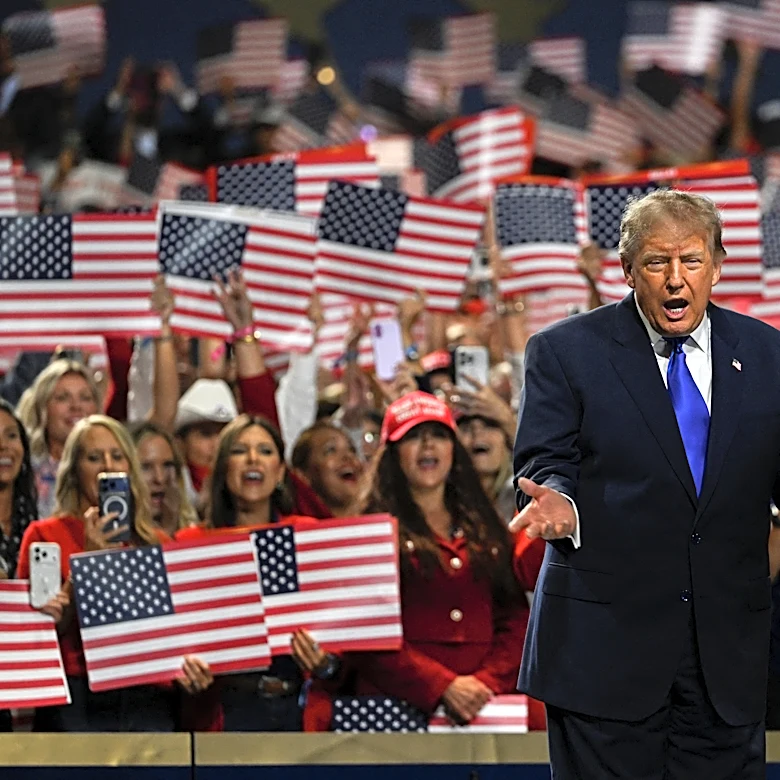
showing a polling lead, with many viewing the midterms as a referendum on President Trump's administration. Voter discontent is largely attributed to high prices, the ongoing war with Iran, and the administration's immigration policies. President Trump has been actively involved in securing a victory for Republicans, including pressuring states to redraw congressional districts and advocating for measures to make mail voting harder. He is also scheduled to headline an unusual midterm Republican convention in Dallas to rally support.
Why It's Important?
These midterm elections are crucial as they will determine the balance of power in the U.S. Congress. If Democrats secure a majority in either chamber, they could significantly impede President Trump's agenda and potentially initiate impeachment proceedings, as they did during his first term. Conversely, a Republican victory would allow President Trump to continue advancing his policies with less legislative resistance. The outcome will directly impact key policy areas such as economic regulation, foreign policy, and immigration. The focus on President Trump as a central figure in these elections underscores the highly polarized political landscape and the continued influence of his presidency on voter behavior and party strategies. The financial backing from figures like Elon Musk for Republican campaigns further highlights the high stakes involved.
What's Next?
In the coming weeks, both parties are expected to intensify their campaign efforts, with President Trump planning to crisscross the country to support Republican candidates in key districts. Democrats will likely continue to focus their messaging on voter disillusionment with economic conditions and President Trump's policies. The final 30 days will be critical for mobilizing voters and shaping public opinion. Polls will continue to be closely watched, though their fallibility has been noted in past elections. The results will not only determine legislative control but also set the stage for the 2028 presidential election, potentially influencing future candidacies and party platforms. The debate over election integrity, particularly regarding mail-in voting and district redrawing, is also expected to continue.
Beyond the Headlines
The framing of the midterms as a 'referendum on President Trump' reveals a deeper trend in American politics where national figures often overshadow local and state issues in congressional elections. This personalization of politics can lead to higher voter engagement but also further entrench partisan divisions. The concerns over high prices and the war with Iran reflect broader anxieties about economic stability and international relations, indicating that voters are increasingly connecting these issues to the performance of the executive branch. The efforts to redraw congressional districts and alter voting rules raise fundamental questions about democratic fairness and access to the ballot box, potentially impacting the long-term integrity of the electoral process. This election cycle is not just about policy choices but also about the evolving nature of American democracy and the role of presidential influence in legislative contests.