







What's Happening?
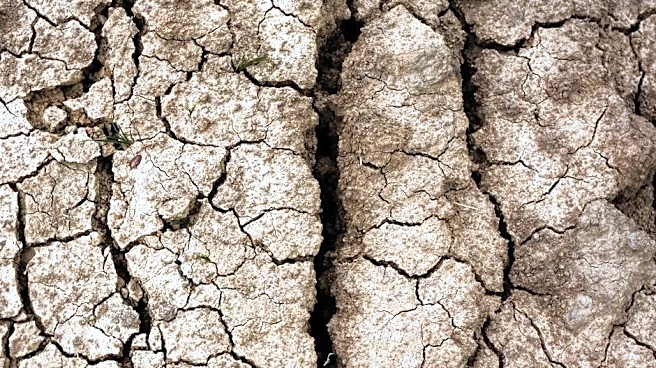
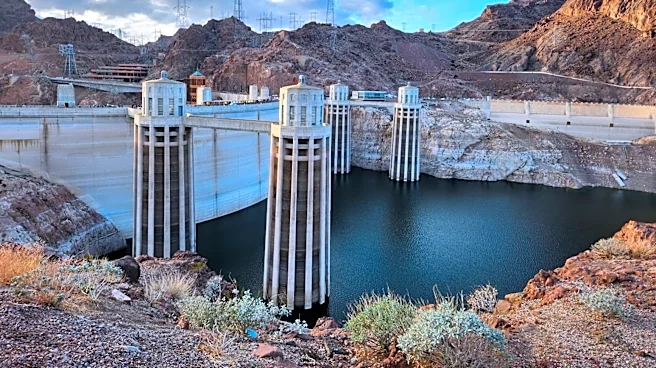
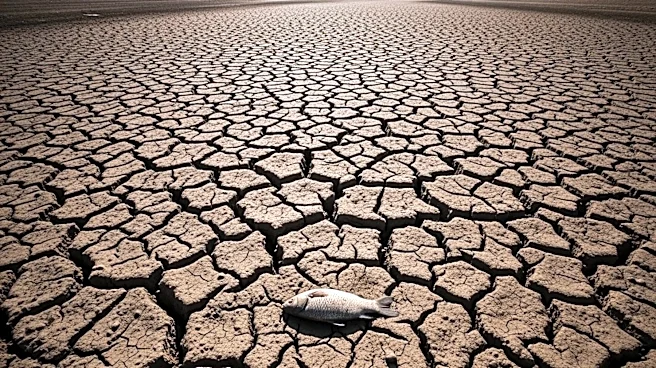
The San Carlos Reservoir in Arizona has been closed indefinitely due to critically low water levels and a resulting fish kill. The reservoir, which is fed by the Gila River, has experienced a significant drop in water levels, holding less than 1% of its
capacity as of May 2026. This decline has led to hypoxia, or low oxygen levels, which has killed nearly all fish species in the reservoir, including largemouth bass and rainbow trout. The San Carlos Recreation and Wildlife Department has warned of potential health risks from decomposing fish for those attempting to boat or fish in the area. Historically, the reservoir has faced similar low water levels, running out of water at least 20 times since its creation in 1930.
Why It's Important?
The closure of the San Carlos Reservoir highlights the ongoing water scarcity issues in the southwestern United States, exacerbated by climate change and prolonged drought conditions. This situation poses significant challenges for local agriculture, wildlife, and communities that rely on the Gila River for water. The fish kill also indicates broader ecological impacts, potentially affecting biodiversity and the health of aquatic ecosystems. The reservoir's condition underscores the urgent need for sustainable water management practices and policies to address the increasing frequency and severity of droughts in the region.
What's Next?
The future of the San Carlos Reservoir depends on upcoming weather patterns, with the potential for recovery if the region experiences above-average rainfall during the monsoon season. The National Oceanic and Atmospheric Administration (NOAA) has projected a 33 to 50 percent chance of increased rainfall due to El Niño conditions. However, long-term solutions will require comprehensive water management strategies and possibly infrastructure investments to mitigate the effects of climate change and ensure water security for the region.