



What's Happening?
The United States and Iran are engaged in critical nuclear talks in Geneva, focusing on Iran's nuclear enrichment program and potential sanctions relief. The U.S., represented by Steve Witkoff and Jared Kushner, demands the dismantling of Iran's primary
nuclear facilities and a permanent halt to nuclear enrichment. Iran proposes a temporary suspension of enrichment, with international inspections, in exchange for economic benefits. The talks occur amid regional tensions and a U.S. military buildup in the Middle East, with both sides expressing skepticism about each other's intentions.
Why It's Important?
The outcome of these talks could significantly impact U.S.-Iran relations and regional stability. A successful agreement could lead to sanctions relief for Iran, boosting its economy and potentially reducing regional tensions. For the U.S., a deal that prevents Iran from obtaining nuclear weapons would be a diplomatic victory, enhancing security in the Middle East. However, failure to reach an agreement could escalate tensions, leading to potential military conflict and further destabilizing the region.
What's Next?
The continuation of diplomatic discussions depends on whether the U.S. and Iran can reconcile their positions on nuclear enrichment and sanctions. The U.S. administration, led by President Trump, may consider military options if talks fail. Iran's willingness to negotiate and the supreme leader's approval are crucial for any agreement. The international community will watch closely, as the talks' outcome will influence future diplomatic and economic relations between Iran and the West.
Beyond the Headlines
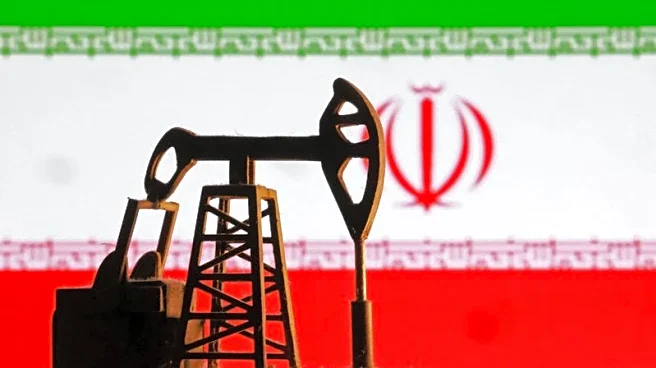
The negotiations highlight the complexities of U.S.-Iran relations, with historical grievances and strategic interests at play. The talks also underscore the broader geopolitical dynamics in the Middle East, where regional powers vie for influence. The potential for economic agreements, such as U.S. access to Iranian oil and gas, adds another layer to the negotiations. The outcome could reshape alliances and power structures in the region, with long-term implications for global energy markets and security.