







What's Happening?
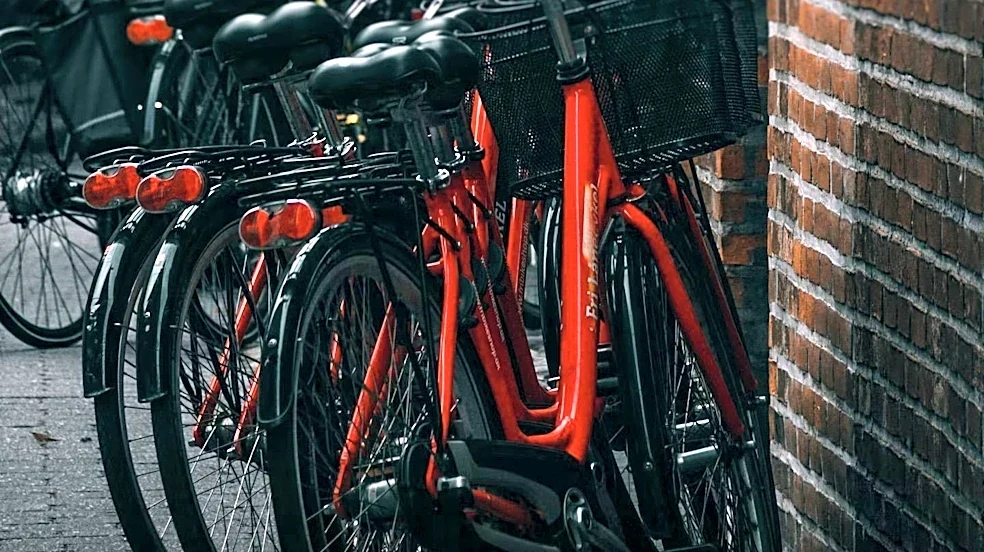
Clark College Security has reported a recent surge in bicycle thefts on campus, with e-bikes being particularly targeted. These incidents include bikes that were secured to outdoor racks using various locking systems. In response, Clark College Security has issued
a series of reminders to the campus community to help mitigate the risk of theft. These recommendations include using high-quality U-locks or heavy-duty chain locks, securing both the bike frame and wheel to a fixed structure, and avoiding leaving bikes unattended for extended periods, especially overnight. Additionally, students and staff are advised to remove easily detachable accessories like lights, bags, batteries, or displays, and to record their bike's serial number and take identification photos. For e-bike owners, it is suggested to remove the battery when practical while on campus. The security department emphasizes that even busy areas can be targets for theft and urges individuals to report suspicious behavior to Clark College Security or call 911 for crimes in progress.
Why It's Important?
The increase in bike and e-bike thefts at Clark College highlights a growing concern for personal property security on U.S. college campuses. This trend can have significant financial implications for students and staff, as e-bikes represent a substantial investment. Beyond the monetary loss, such incidents can disrupt daily commutes, impact academic performance due to stress, and erode a sense of safety and trust within the campus community. For Clark College, a rise in theft could negatively affect its reputation, potentially deterring prospective students and faculty. The college's proactive measures, while essential, also underscore the need for continuous vigilance and adaptation in security strategies. This situation reflects a broader societal challenge where the increasing popularity and value of e-bikes make them attractive targets for theft, necessitating enhanced security awareness and preventative actions from both individuals and institutions.
What's Next?
Clark College will likely continue to monitor theft incidents and may explore additional security enhancements, such as increased surveillance, improved lighting in bike parking areas, or the implementation of secure bike storage facilities. The college may also intensify its awareness campaigns, possibly through workshops or informational sessions, to educate the community on best practices for bike security. Students and staff are expected to adopt the recommended precautions to protect their property. Law enforcement agencies may also increase patrols in and around the campus to deter criminal activity. The long-term effectiveness of these measures will depend on consistent adherence by the community and the college's ongoing commitment to adapting its security protocols in response to evolving threats. Collaboration between campus security, local police, and the student body will be crucial in addressing this issue effectively.
Beyond the Headlines
The issue of bike and e-bike theft on college campuses extends beyond immediate property loss, touching upon broader themes of urban security, personal responsibility, and the evolving landscape of transportation. The vulnerability of even secured items in seemingly safe environments raises questions about the adequacy of existing security infrastructure and the psychological impact of crime on community well-being. For students, the loss of a primary mode of transport can exacerbate financial strain and academic pressures. This situation also underscores the importance of digital record-keeping, such as serial numbers and photos, as a crucial tool for recovery and insurance claims. As e-bikes become more prevalent as a sustainable transportation option, the challenge of securing them will likely grow, prompting a need for innovative solutions in urban planning, product design (e.g., integrated tracking), and community-led crime prevention initiatives.