





What's Happening?
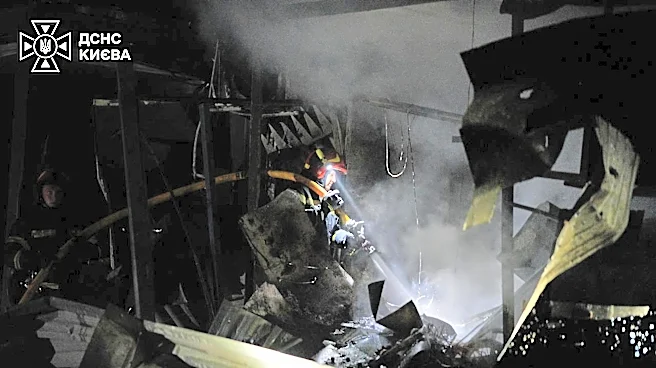
A recent shootout in Kyiv between Ukraine’s Main Directorate of Intelligence (HUR), which handles foreign intelligence, and the State Security Service (SBU), focused on domestic intelligence and counterterrorism, has resulted in at least three security
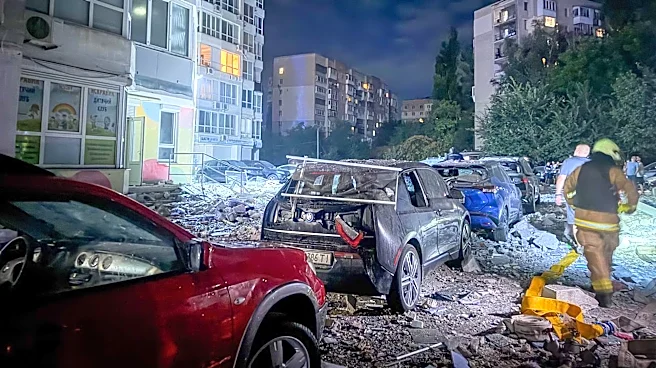
officials being wounded. The incident occurred in the Dniprovskyi district after the SBU took Stepan Kaplunov, deputy commander of the Russian Volunteer Corps (RVC) that fights for Ukraine and is subordinate to HUR, into custody. Ukrainian media reports indicate that SBU officers were acting on orders to prevent a 'terrorist act' from Russia’s Federal Security Service (FSB). During a search, a group of individuals, reportedly from HUR, launched an armed attack on the SBU operational-investigative group, attempting to obstruct investigative actions and blocking law enforcement officers with cars. Ukraine’s President Volodymyr Zelenskyy described the event as 'an absolutely disgraceful situation,' emphasizing that shots should only be fired at Russian occupiers. The commander of HUR’s special unit 'Timur' accused the SBU of kidnapping Kaplunov and initiating the gunfire.
Why It's Important?
This internal conflict between Ukraine's top intelligence agencies highlights significant divisions within the country's security establishment, occurring amidst an ongoing war with Russia. Such an incident can undermine national security efforts by creating distrust and operational inefficiencies at a critical time. The President's strong condemnation and immediate actions, including the dismissal of Oleg Khramov, head of the SBU’s Department for the Protection of State Secrets, underscore the gravity of the situation and the potential for internal strife to weaken Ukraine's defense capabilities. The incident also raises questions about the chain of command and coordination between different security branches, which is crucial for effective wartime operations. Furthermore, the involvement of Stepan Kaplunov, a Russian citizen fighting for Ukraine and on Russia's 'terrorist and extremist' list, adds layers of complexity, suggesting potential counterintelligence concerns or internal power struggles that could be exploited by external adversaries.
What's Next?
President Zelenskyy has initiated an investigation into the incident, led by the Prosecutor General Ruslan Kravchenko and the State Bureau of Investigation. He has called for accountability, including personnel decisions by the heads of the security services and internal investigations within both agencies. The President's Office head, Kyrylo Budanov, a former HUR member, has also called for a 'thorough and impartial investigation,' stressing that no one has the right to kidnap servicemen or open fire on city streets with impunity. These investigations are expected to clarify the sequence of events, assign responsibility, and potentially lead to further personnel changes or structural reforms within Ukraine's intelligence apparatus. The outcome will likely influence future operational protocols and inter-agency cooperation, aiming to prevent similar incidents and strengthen national security coordination during the conflict with Russia.
Beyond the Headlines
The shootout between Ukraine's intelligence agencies reveals deeper systemic challenges within the country's security sector, potentially stemming from historical rivalries, differing operational mandates, or even corruption. The incident occurs against a backdrop of recent security shake-ups, including changes in leadership within the SBU and HUR, and broader anti-corruption investigations that have reached senior figures. These internal tensions could be exacerbated by the pressures of war, creating vulnerabilities that could be exploited by Russia. The need for 'greater focus on security issues' and 'political coordination across the institutions that control coercive power,' as noted by a Carnegie Politika report, underscores the long-term implications for Ukraine's governance and stability. Ensuring unity and clear command structures within the security forces is paramount not only for military success but also for maintaining public trust and international support.