
What's Happening?
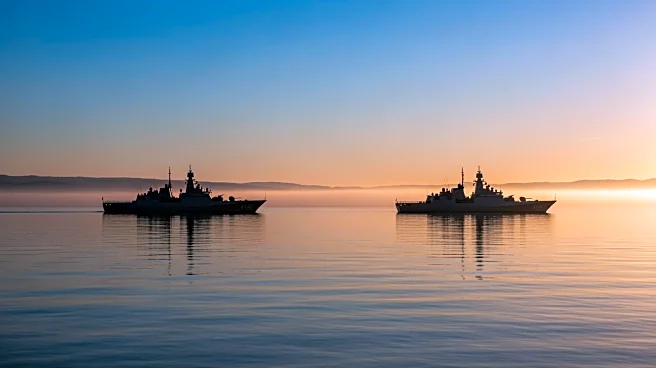
The Chinese-led naval exercise 'Will for Peace 2026' in Cape Town, South Africa, has encountered diplomatic issues due to the participation of Iranian warships. The South African government requested Iran to withdraw
active participation, citing concerns over aligning with a regime accused of human rights violations. This decision was influenced by the potential impact on South Africa's trade relations under the African Growth and Opportunity Act, which is up for renewal in the U.S. House of Representatives. The exercise, involving naval drills for protecting commercial shipping, has been overshadowed by these diplomatic tensions.
Why It's Important?
This incident highlights the delicate balance countries must maintain in international relations, especially when engaging with nations facing international scrutiny. South Africa's decision reflects the broader geopolitical landscape, where alliances and trade agreements can be affected by participation in military exercises. The situation underscores the importance of diplomatic foresight in international military collaborations and the potential repercussions on economic and political ties. It also raises questions about the role of military exercises in international diplomacy and their impact on global perceptions.
What's Next?
Observers are closely monitoring the situation to see how it unfolds, particularly regarding the departure of Iranian vessels. The outcome could influence future military collaborations and diplomatic relations between the involved countries. South Africa may need to reassess its foreign policy strategies to avoid similar diplomatic challenges in the future. The renewal of the African Growth and Opportunity Act will also be a critical factor, as it could affect South Africa's economic relations with the United States.