







What's Happening?
Scientists have proposed the first method for detecting 'mirror life,' a hypothetical form of synthetic biology that could pose significant environmental and biosecurity risks. While no self-replicating mirror organisms currently exist, researchers are
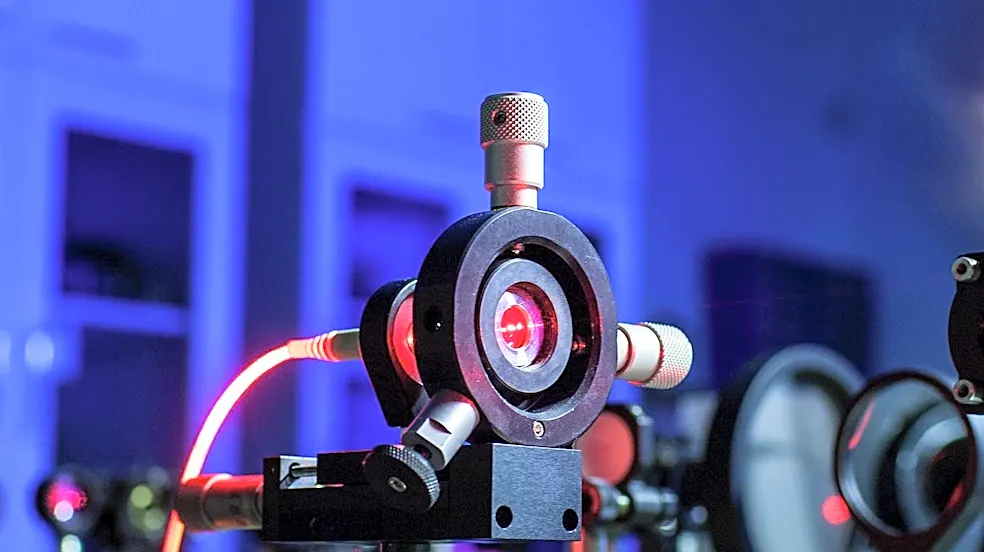
increasingly concerned about their potential creation. Mirror life would possess fundamental biological molecules with spatial orientations that are mirror images of those found in conventional life on Earth. This molecular 'handedness,' or chirality, is crucial, as proteins are typically made of left-handed amino acids and DNA/RNA contain right-handed sugars. Mirror organisms would reverse these orientations, potentially leading to biological chemistry vastly different from known lifeforms. The proposed detection method, developed by researchers at the University of Strathclyde and Durham University, utilizes circularly polarized luminescence (CPL) to identify the unique molecular signatures of mirror life. This technique involves using fluorescent probes that bind to specific cellular structures and emit circularly polarized light signals, creating a molecular fingerprint to distinguish conventional biology from its mirror-image counterparts. The Debrief reports that this is a precautionary measure, as the technology to create such organisms does not yet exist.
Why It's Important?
The development of a detection method for hypothetical mirror life is crucial for U.S. biosecurity and environmental protection. If created, mirror organisms could interact unpredictably with fragile ecosystems, potentially disrupting them with damaging consequences. A Stanford University technical report highlighted the serious and wide-ranging risks mirror organisms could pose to humans, animals, plants, and the environment. These organisms might also evade natural immune defenses and biological processes that regulate microorganisms, leading to uncontrolled proliferation. Without effective predation, mirror bacterial populations could reach high densities, severely impacting agriculture and human well-being. This preemptive research aims to establish safeguards against potential future biological threats, even before mirror organisms become a reality. The ability to detect such lifeforms would be vital for monitoring and preventing their release or spread, protecting U.S. natural resources and public health from unforeseen biological hazards.
What's Next?
The proposed CPL assay method for mirror life screening is a promising tool for future biohazard detection and compliance with potential international legislation against mirror-life research. While the technique has not yet been fully demonstrated as a complete mirror-life detection assay, it can be developed and evaluated using existing biological materials, eliminating the need to create dangerous mirror organisms for testing. Existing laboratory technologies, such as specialized microscopes, cameras, and cell plate readers capable of measuring CPL, could be adapted to support these detection capabilities. The next steps involve further refining the method, potentially through the use of multiple probes to focus on different cellular components, thereby reducing the likelihood of false results. This ongoing research aims to provide a critical safeguard, ensuring that if mirror life is ever created, there will be a means to identify and manage its presence.
Beyond the Headlines
The concept of mirror life raises profound ethical and legal questions regarding synthetic biology research. The potential for creating organisms that could fundamentally alter biological systems necessitates a global discussion on responsible innovation and the boundaries of scientific exploration. The call for restrictions on research involving methods of mirror life production underscores the ethical dilemmas inherent in advanced biotechnologies. This development highlights the need for robust regulatory frameworks and international cooperation to address emerging biosecurity threats that transcend national borders. The preemptive nature of this research also reflects a shift towards anticipating and mitigating risks before they materialize, rather than reacting to crises. This proactive approach could set a precedent for how future synthetic biology advancements are managed, emphasizing caution and foresight in the face of potentially transformative, yet hazardous, scientific capabilities.