






What's Happening?
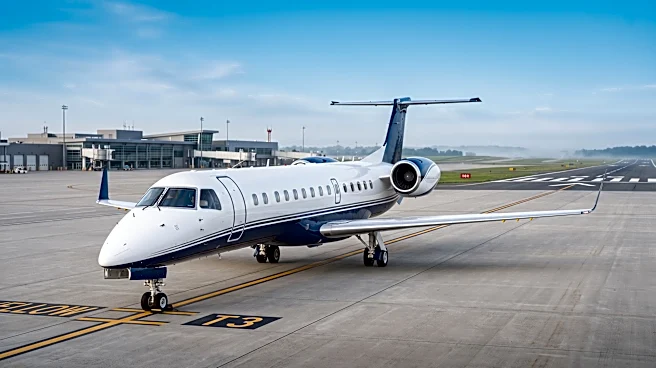
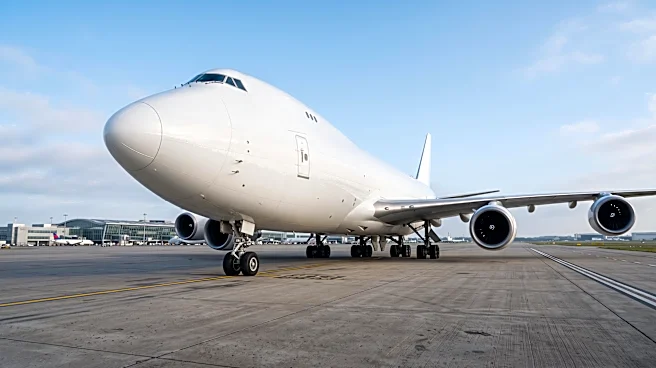
The Federal Aviation Administration (FAA) has announced the reinstatement of its Flight Deck Training program, which provides air traffic controllers with opportunities to gain firsthand experience aboard commercial, general aviation, and military aircraft.
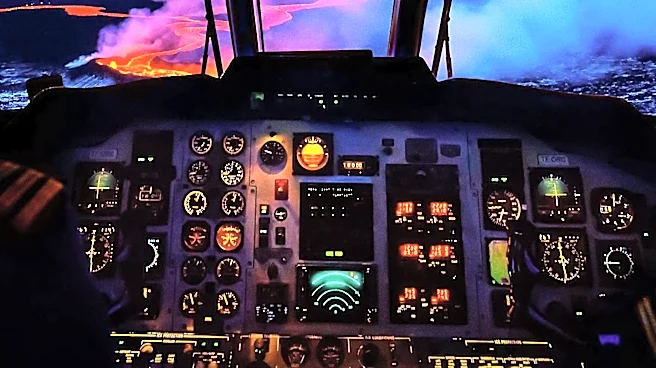
This program, paused at the start of the pandemic, allows controllers to apply for jumpseat access on eligible flights. The objective is for controllers to gain direct experience with flight deck operations, including understanding pilot workload, cockpit procedures, and how air traffic control instructions impact flight crews. The FAA collaborated closely with the National Air Traffic Controllers Association (NATCA) to bring back this initiative. Controllers will apply electronically, identify a training objective, and undergo vetting processes before and during the flight. After each flight, they are required to submit a report detailing their learning experiences. Controllers are permitted to participate in two commercial/general aviation flights and one military flight per year, with approval contingent on facility staffing and needs. All major U.S. airlines have agreed to participate in the program, which is expected to formally launch after Thanksgiving.
Why It's Important?
The reinstatement of the Flight Deck Training program is a significant step towards enhancing aviation safety and operational efficiency within the U.S. National Airspace System. By allowing air traffic controllers to experience flight operations from a pilot's perspective, the program aims to improve communication and mutual understanding between controllers and flight crews. This firsthand experience can lead to more informed decision-making by controllers, particularly in situations involving complex instructions or changes in flight plans, which can significantly impact pilot workload. Improved coordination can reduce the potential for errors and enhance overall safety. The program also underscores the FAA's commitment to continuous professional development for its controllers, recognizing that practical, real-world exposure is invaluable. For the aviation industry, this initiative fosters a more integrated and collaborative approach to air traffic management, potentially leading to smoother operations and reduced delays. The participation of all major U.S. airlines highlights a collective industry commitment to safety and training.
What's Next?
The formal launch of the Flight Deck Training program is anticipated to occur after Thanksgiving. Following its implementation, the FAA and NATCA will likely monitor the program's effectiveness, gathering feedback from participating controllers and pilots. This feedback will be crucial for refining the program and ensuring it continues to meet its objectives of enhancing operational knowledge and safety. The FAA has already conducted early testing, which identified benefits such as controllers understanding when to avoid complex instructions and the impact of landing runway changes on pilot workload. Future steps may involve expanding the program's scope or adjusting the frequency of allowed flights based on initial outcomes and resource availability. The success of this initiative could also influence other areas of aviation training, potentially leading to similar cross-functional training programs designed to bridge gaps between different operational roles within the aviation sector. Continued collaboration between the FAA, NATCA, and airlines will be essential for the program's long-term success and its contribution to national airspace safety.
Beyond the Headlines
Beyond the immediate benefits of improved communication and safety, the reinstatement of the Flight Deck Training program reflects a broader organizational commitment to experiential learning and interdisciplinary understanding within critical infrastructure sectors. In complex systems like air traffic control, where human factors play a significant role, fostering empathy and a holistic understanding of different operational roles can mitigate risks that might not be addressed through theoretical training alone. This initiative could serve as a model for other high-stakes environments where different professional groups must collaborate seamlessly. Ethically, it reinforces the idea that continuous learning and adaptation are paramount in maintaining public trust and safety in advanced technological systems. Culturally, it promotes a more integrated professional identity among aviation personnel, moving beyond siloed roles to a shared responsibility for the safety and efficiency of the National Airspace System. The program's success could also influence policy discussions around funding for specialized training and professional development in government agencies.