


What's Happening?
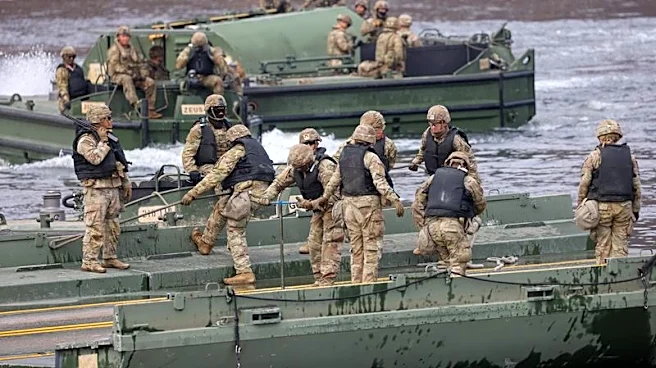
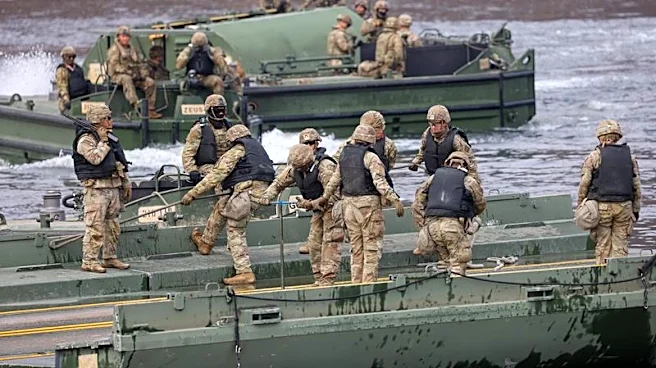
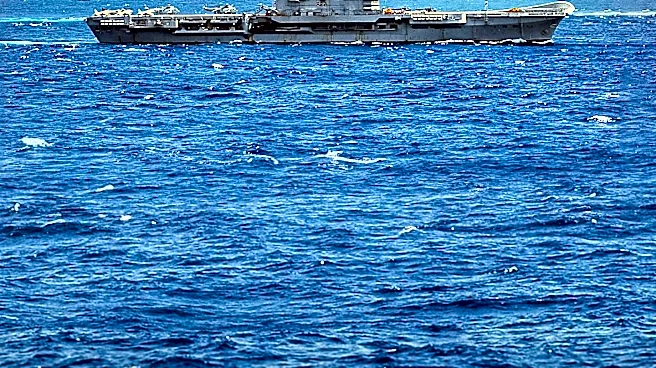
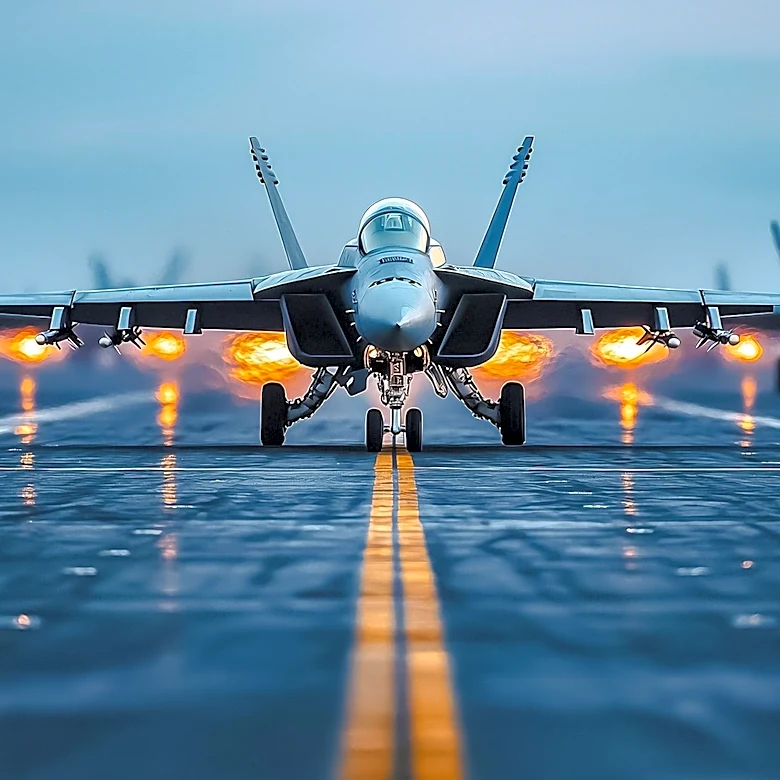
President Trump has ordered the U.S. military to downsize the 11-day Ulchi Freedom Shield exercises with South Korea, which began as scheduled. This decision has drawn criticism from former U.S. officials and Democrats in Congress, who argue it undermines
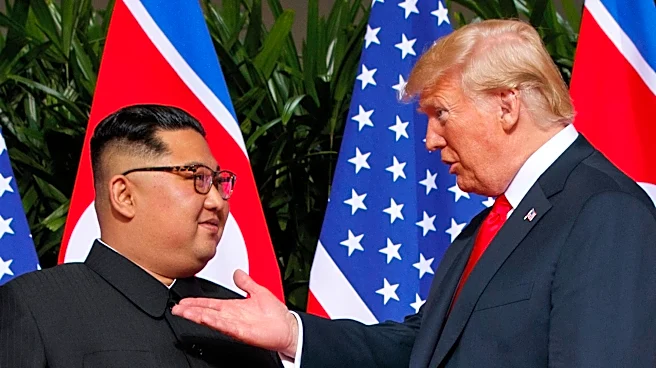
a long-standing alliance and benefits adversaries like China and North Korea. President Trump justified his decision by citing South Korea's refusal to join his stance against Iran and his positive relationship with North Korea's leader. Experts like Dan Fried, a former assistant secretary of state, stated that the move makes no sense, as it undermines allies and emboldens rivals. Danny Russel, former assistant secretary of state for East Asia and the Pacific, described the decision as 'tragically upside-down,' punishing an ally while encouraging an adversary. Matthew Kroenig of the Atlantic Council noted that scaling back exercises could undermine the message that South Korea is protected, potentially leading South Koreans to consider developing their own nuclear weapons.
Why It's Important?
This decision carries significant implications for U.S. national security and its alliance system. Undermining the U.S.-South Korea alliance could destabilize the Indo-Pacific region, encouraging South Korea and Japan to reconsider their defense strategies, potentially including the pursuit of independent nuclear capabilities. This shift could lead to a regional arms race and weaken the U.S.'s strategic position against China and North Korea. John Herbst, a former ambassador to Ukraine, warned that if such actions grow in frequency and importance, they could dismantle the alliance system that has served the U.S. since World War II. Charles Kupchan of the Council on Foreign Relations suggested that allies might increasingly contemplate their security without U.S. assistance, leading to a more fragmented global security landscape. The move also sends a message of unpredictability and transactional foreign policy, which could erode trust among other U.S. allies worldwide, including NATO members.
What's Next?
The immediate impact will be observed in the scaled-back Ulchi Freedom Shield exercises, with details on which parts of the training are affected yet to be fully disclosed. The long-term consequences will depend on whether President Trump's message translates into a sustained policy shift or remains a fleeting statement. Experts like Matthew Kroenig suggest that the situation could normalize if no further actions are taken. However, continued unpredictability in U.S. foreign policy could prompt South Korea and other allies to reassess their defense postures and reliance on the U.S. There may be further diplomatic efforts from South Korea to manage the relationship, as they have previously attempted to flatter President Trump to gain favor. The decision could also influence future U.S. military exercises and deployments in the region, potentially leading to a re-evaluation of defense commitments and burden-sharing with allies.
Beyond the Headlines
The broader implications extend to the fundamental nature of U.S. alliances and global leadership. President Trump's approach, characterized by transactional diplomacy and a willingness to challenge established norms, could fundamentally alter the post-World War II international order. This shift might encourage other nations to adopt more independent foreign policies, potentially leading to a multipolar world with less U.S. influence. The ethical dimension involves the U.S.'s commitment to its allies and the moral hazard of abandoning long-standing partners for perceived short-term gains or personal relationships with adversaries. Legally, existing defense treaties and agreements could come under scrutiny, raising questions about their enforceability and the reliability of U.S. security guarantees. Culturally, the perception of the U.S. as a dependable global partner could diminish, impacting its soft power and ability to rally international support for its interests and values.