





What's Happening?
Southern California is set to experience a significant weather shift this week, moving from a record-breaking heat wave to cooler, wetter conditions. According to the National Weather Service, there is a 70% chance of rain beginning Thursday in Los Angeles
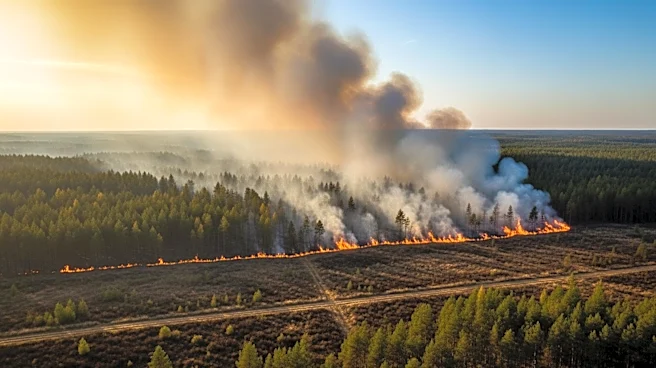
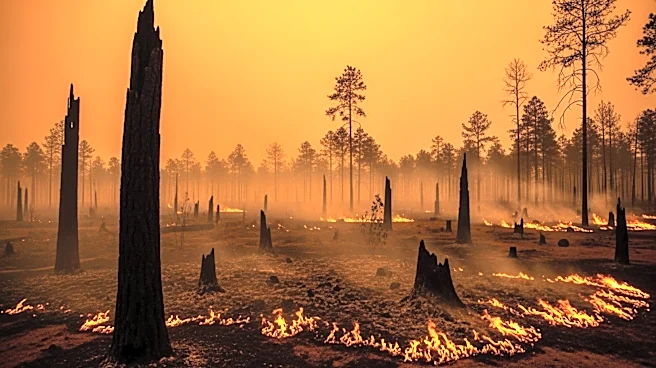
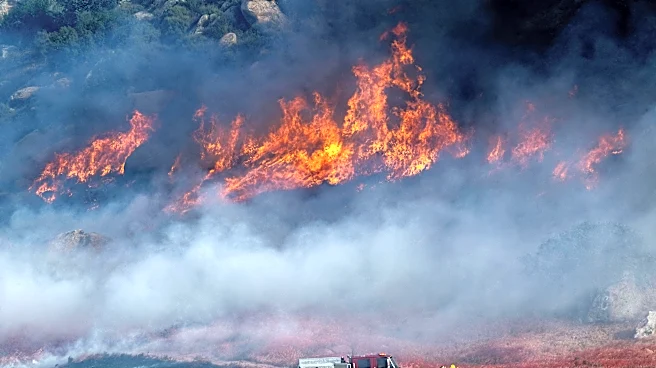
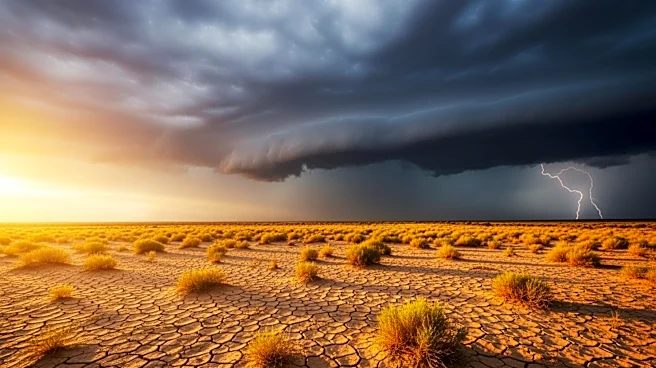
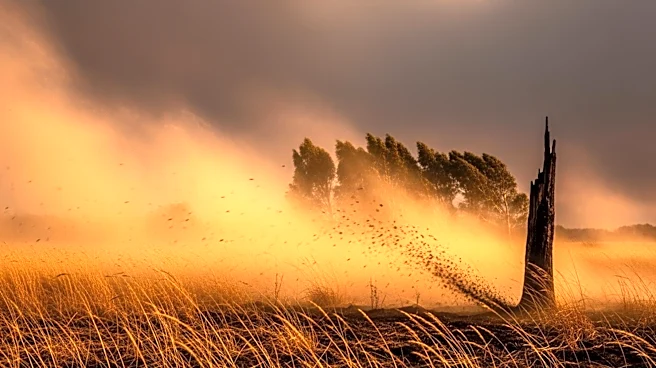
and Ventura counties, continuing through Saturday. This change follows a period of intense heat in March, where temperatures in areas like Woodland Hills and Lancaster broke historical records. The recent heat, exacerbated by Santa Ana winds, also contributed to local wildfires, such as the Springs fire in Riverside County, which is now 95% contained. The upcoming weather is expected to bring thunderstorms, with some areas potentially experiencing heavier rain, stronger winds, and mudslides. Snow is also forecasted for mountain regions at elevations between 7,000 and 9,000 feet.
Why It's Important?
The shift in weather is significant for Southern California, a region that has been grappling with the effects of climate change, including extreme weather patterns. The recent heat wave and subsequent wildfires highlight the vulnerability of the area to such conditions. The anticipated rain and cooler temperatures provide a respite from the heat and help mitigate fire risks. However, the potential for thunderstorms and mudslides poses new challenges, particularly in areas recently affected by fires, where the ground may be more susceptible to erosion. This weather change underscores the ongoing need for adaptive strategies in urban planning and emergency preparedness to address the increasing frequency of extreme weather events.
What's Next?
Residents and local authorities in Southern California will need to prepare for the incoming weather changes. This includes monitoring weather updates and taking precautions against potential flooding and mudslides, especially in fire-affected areas. Emergency services may remain on alert to respond to any incidents caused by the storms. Additionally, the weather service will continue to provide updates on the storm's progression and any changes in forecasted conditions. The situation also calls for ongoing discussions about long-term climate resilience strategies in the region.