




What's Happening?
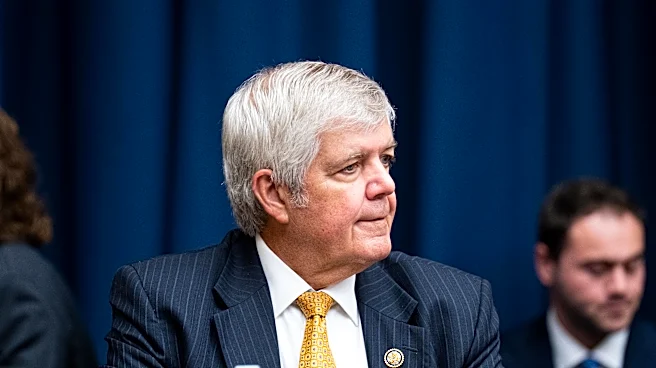
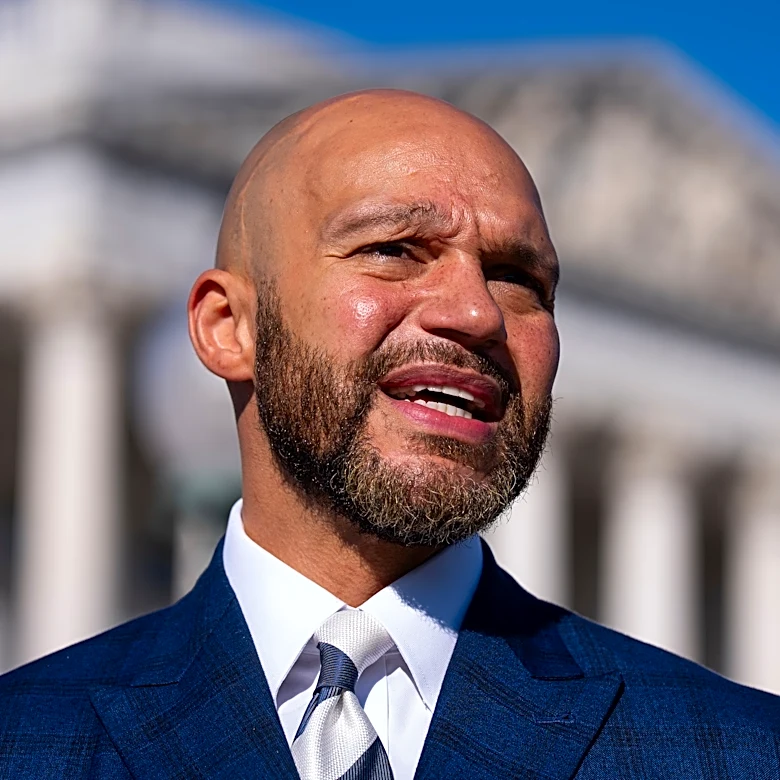
Representative Gilbert Ray Cisneros, Jr. (D-CA) recently disclosed 57 stock trades, filed on November 10. These transactions included the purchase of shares in companies such as BBIO, ARGX, MTSI, and NOW, among 24 other acquisitions. Concurrently, he sold
shares in TOELF, ILMN, PTC, RVTY, and 19 other companies. Notably, Representative Cisneros, who serves on the Armed Services Committee, purchased shares in SARO, a company operating in the defense and aerospace sector. This activity highlights ongoing financial movements by members of Congress, with specific attention to their investment choices in industries relevant to their committee assignments. The disclosed trades provide a snapshot of his recent portfolio adjustments, reflecting both new investments and divestments across various sectors.
Why It's Important?
The stock trading activities of members of Congress, such as Representative Cisneros, are significant due to potential conflicts of interest and the broader implications for public trust. As a member of the Armed Services Committee, his investment in a defense and aerospace company like SARO raises questions about whether his financial interests could influence his legislative decisions or vice versa. While such trades are legally disclosed, they often spark debate regarding the ethics of congressional stock ownership and the need for stricter regulations to prevent insider trading or the appearance of impropriety. The transparency of these disclosures, though mandated, underscores the ongoing tension between personal financial freedom for elected officials and the public's expectation of unbiased governance. These transactions can also offer insights into market trends from individuals with unique access to information, even if not directly related to their legislative duties.
What's Next?
The disclosure of Representative Cisneros's stock trades will likely be subject to public and media scrutiny, particularly given his role on the Armed Services Committee and his investment in a defense company. While no immediate legislative action is mandated by these disclosures, they could fuel ongoing discussions about congressional stock trading reform. Advocacy groups and some lawmakers continue to push for stricter rules, such as banning members of Congress and their immediate families from trading individual stocks, or requiring them to place assets in a blind trust. The continued reporting of such trades by various members of Congress keeps this issue in the public eye, potentially leading to renewed legislative efforts to address perceived conflicts of interest and enhance transparency in financial dealings by elected officials.
Beyond the Headlines
The frequent stock trading by members of Congress, as exemplified by Representative Cisneros's recent disclosures, points to a deeper ethical and systemic challenge within U.S. politics. Beyond the immediate concerns of potential insider trading, these activities can erode public confidence in government institutions. The perception that lawmakers might prioritize personal financial gain over public service can foster cynicism and distrust. This issue also highlights the limitations of current disclosure laws, which, while providing transparency, do not necessarily prevent conflicts of interest. The debate over congressional stock trading touches upon fundamental questions of accountability, the integrity of public office, and the need for a clear separation between personal financial interests and legislative responsibilities. Addressing this effectively would require a cultural shift in political norms alongside potential legislative reforms.