







What's Happening?
Ayurveda, a traditional Indian healing system, is advancing with a focus on evidence-based research and innovation. The 11th Ayurveda Day, scheduled for September 23, 2026, will be celebrated under the theme "Ayurveda for a Healthy Future." This event
aims to connect Ayurveda with modern research, quality standards, and international healthcare frameworks. For the first time since its inception in 2016, Ayurveda Day will be observed on a fixed date, September 23rd, annually, as notified by the Government of India in March 2025. This decision marks a significant shift from its previous observance on Dhanvantari Jayanti (Dhanteras), providing Ayurveda with a universal calendar identity and fostering greater global participation and credibility. The initiative seeks to raise awareness that Ayurveda is an evidence-based scientific medical system and to promote its integration into global healthcare.
Why It's Important?
The emphasis on evidence-based research and global integration for Ayurveda holds significant implications for the U.S. healthcare landscape. As traditional medicine systems gain more scientific validation, there is potential for increased acceptance and integration into complementary and alternative medicine practices within the U.S. This could lead to new research collaborations between U.S. and Indian institutions, fostering a deeper understanding of Ayurvedic principles and their efficacy. For U.S. consumers, a more scientifically validated Ayurveda could offer additional options for health and wellness, potentially influencing dietary practices, stress management techniques, and personalized healthcare approaches. The fixed date for Ayurveda Day could also boost international awareness and participation, potentially increasing the availability of Ayurvedic products and services in the U.S. market, and encouraging more rigorous regulatory oversight and quality standards for these products.
What's Next?
Following the 11th Ayurveda Day in September 2026, there will likely be continued efforts to promote Ayurveda as an evidence-based scientific medical system. This could involve further international collaborations in research and development, potentially leading to more clinical trials and studies conducted in the U.S. to validate Ayurvedic treatments. Educational initiatives may also expand, with more institutions offering courses or programs on Ayurvedic principles and practices. Stakeholders, including healthcare providers, policymakers, and consumers in the U.S., may see increased discussions around the integration of Ayurveda into mainstream healthcare, potentially influencing insurance coverage and healthcare policies. The fixed date for Ayurveda Day is expected to facilitate more consistent global engagement, which could translate into a more structured approach for introducing and regulating Ayurvedic practices and products within the U.S. market.
Beyond the Headlines
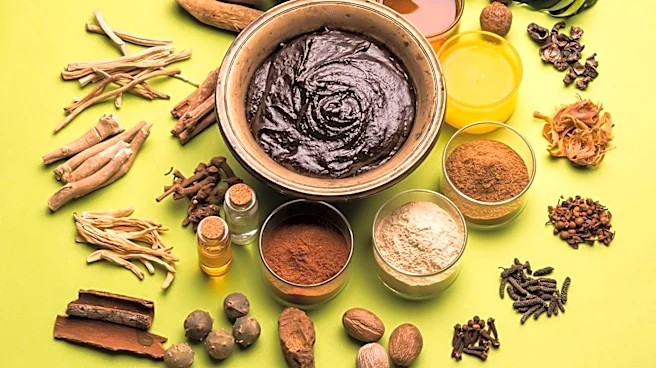
The push for evidence-based Ayurveda extends beyond mere medical validation; it represents a broader cultural and philosophical shift in how traditional healing systems are perceived globally. In the U.S., this could challenge conventional medical paradigms, encouraging a more holistic and personalized approach to health that considers individual constitution and lifestyle. The integration of Ayurveda, with its focus on balancing the body's doshas through warm herbal oils, powders, and personalized massage, could introduce new ethical considerations regarding practitioner training, product sourcing, and patient safety within a Western medical framework. Furthermore, it could spark a deeper appreciation for ancient wisdom traditions and their potential contributions to modern health challenges, fostering a more diverse and inclusive understanding of wellness that transcends geographical and cultural boundaries. This movement could also highlight the importance of preventive care and lifestyle interventions, areas where Ayurveda traditionally excels.