






What's Happening?
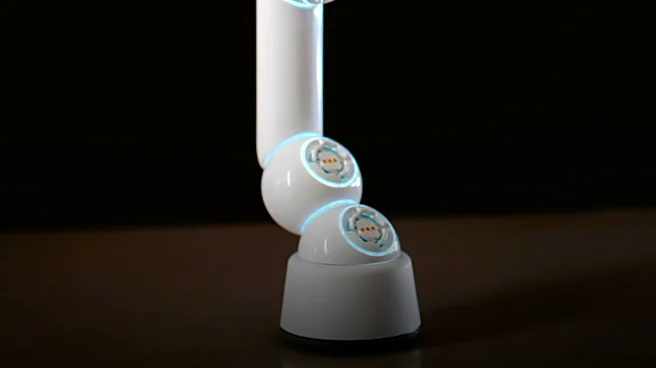
The U.S. Food and Drug Administration (FDA) has authorized the Aletta, a groundbreaking standalone robotic device capable of drawing blood from a patient's arm without direct human intervention. This authorization marks a significant advancement in medical
technology, particularly in response to a growing shortage of trained phlebotomists across the U.S. The Aletta is approved for use in adults within outpatient settings and requires oversight from a phlebotomy-trained supervisor, with one supervisor able to manage up to three devices simultaneously. The device autonomously performs all steps of the blood draw, from guiding the patient to position their arm, to locating a suitable vein using near-infrared light and Doppler ultrasound, applying a tourniquet, preparing the skin, inserting and disposing of the needle, changing collection tubes, and finally placing a bandage. Safety features include automatic needle detachment if a patient moves excessively and continuous disinfectant application during the ultrasound scan. The FDA's decision is based on clinical data demonstrating the Aletta's successful blood draw rates are comparable to or better than those achieved by human phlebotomists, even for patients with difficult vein access or varying skin tones. Adverse events associated with the device were reported as uncommon and mild.
Why It's Important?
The authorization of the Aletta robotic blood draw device is a critical development for the U.S. healthcare system, primarily due to its potential to mitigate the ongoing shortage of phlebotomists. Blood draws are among the most frequently performed medical procedures, and delays caused by staffing shortages can impact patient care and diagnostic timelines. By allowing one trained phlebotomist to oversee multiple robotic devices, the Aletta can significantly increase efficiency and access to this essential service, particularly in outpatient settings. This innovation aligns with the FDA's commitment to advancing medical devices that address public health needs and improve patient access to critical diagnostic services. The device's ability to perform successful blood draws across a diverse patient population, including those with challenging vein access, suggests a broader applicability and potential to reduce patient discomfort and repeated attempts often associated with difficult draws. This technological leap could lead to more streamlined healthcare operations, potentially reducing wait times for patients and allowing healthcare facilities to reallocate human resources to other areas of need.
What's Next?
Following the FDA's authorization, the Aletta robotic blood draw device is expected to be gradually integrated into outpatient settings across the U.S. Healthcare providers and facilities will likely begin evaluating and adopting the technology to address their specific staffing challenges and improve patient experience. The manufacturer, Vitestro, will work to scale production and distribution to meet anticipated demand. Training programs for phlebotomy-trained supervisors will be crucial to ensure proper oversight and operation of the devices. The FDA has also established special controls for the Aletta, which include requirements for labeling, performance testing, and clinical testing. These controls will continue to ensure the device's safety and effectiveness as it becomes more widely used. Future developments may include expanding the device's authorization to other healthcare settings or for use with different patient populations, as well as ongoing research into its long-term impact on healthcare efficiency and patient outcomes.
Beyond the Headlines
The introduction of the Aletta robotic blood draw device signifies a broader trend towards automation in healthcare, raising important questions about the evolving roles of healthcare professionals and the ethical implications of machine-patient interaction. While the device addresses a critical staffing shortage and improves efficiency, it also prompts discussions about the balance between technological advancement and the human element in patient care. The reliance on a supervisor, even with the device's autonomy, highlights the continued need for human expertise and oversight in medical procedures. Furthermore, the successful authorization of such a device could pave the way for more advanced robotic applications in diagnostics and treatment, potentially transforming the landscape of medical practice. This development also underscores the importance of regulatory frameworks like the FDA's De Novo pathway, which facilitates the introduction of novel, low-to-moderate-risk medical devices while ensuring patient safety and efficacy. The long-term societal impact could include a shift in healthcare training and education, with a greater emphasis on managing and integrating advanced technologies into clinical practice.