










What's Happening?
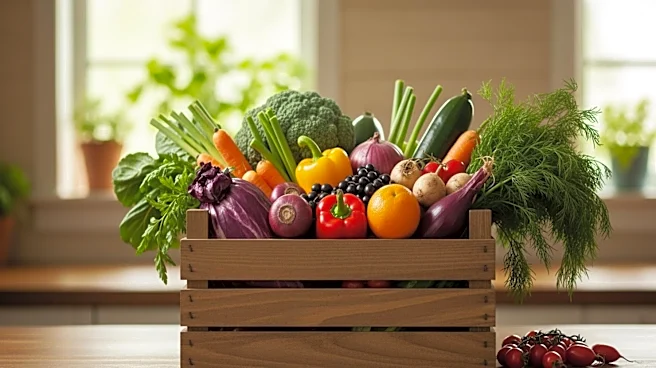
Community-supported agriculture (CSA) programs, which traditionally involve customers paying farms upfront for a share of the season's produce, are undergoing changes to better meet consumer demands. Farmers are modifying these models to enhance appeal
and accessibility. This shift is driven by the need to adapt to evolving consumer preferences, which include more flexible payment options and varied product offerings. The changes aim to attract a broader customer base and ensure the sustainability of CSA programs in a competitive market.
Why It's Important?
The adaptation of CSA models is significant as it reflects broader trends in consumer behavior and agricultural business practices. By aligning more closely with consumer preferences, farmers can potentially increase their customer base and revenue. This shift also highlights the importance of flexibility and innovation in the agricultural sector, which faces challenges such as market competition and changing consumer expectations. The success of these new models could influence other sectors of the agricultural industry to adopt similar strategies, thereby impacting local economies and food systems.
What's Next?
As farmers continue to experiment with new CSA models, they may explore additional innovations such as digital platforms for easier customer interaction and expanded delivery options. The response from consumers will likely guide further adjustments, and successful models could be adopted more widely. Stakeholders, including agricultural organizations and policymakers, may also take interest in these developments, potentially leading to support or incentives for farmers who innovate in this space.