
What's Happening?
The UK is experiencing a significant rise in unemployment, particularly among young people, due to sustained economic uncertainty. Factors such as trade wars, market shocks, and rising inflation have led
to risk-averse companies freezing hiring efforts. According to MHA economic advisor Joe Nellis, the current youth unemployment rate exceeds 15%, which could cause long-lasting damage to the country's talent pool. The overall unemployment rate was reported at 5.1% in November, indicating cautiousness among employers. Recruitment has softened, and some firms are reducing headcount due to weaker demand in certain sectors and lingering high costs. Despite these challenges, there is optimism that unemployment will peak in early 2026 and then decline as economic stability improves.
Why It's Important?
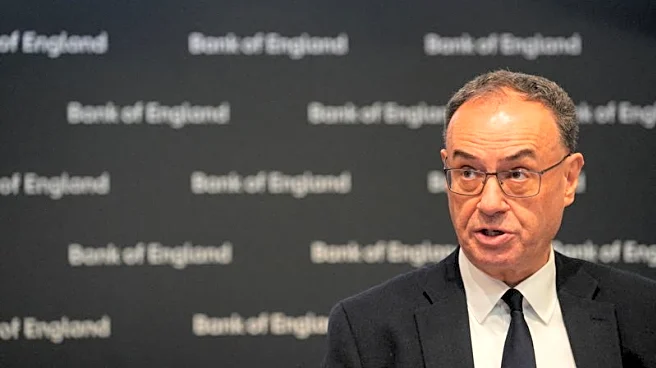
The rise in youth unemployment poses a significant threat to the UK's long-term economic prospects. Prolonged unemployment can lead to reduced skills acquisition, lower lifetime earnings, and weakened productivity growth. With an ageing population, the UK faces a potential skills shortage if young people fail to enter the workforce. This situation is exacerbated by declining immigration rates. To address these challenges, it is crucial for the government to support practical skills training and education, while encouraging private sector investment in young talent. Additionally, the easing of domestic inflationary pressures may allow policymakers to shift focus towards supporting economic growth, potentially leading to interest rate cuts by the Bank of England.
What's Next?
As the UK navigates these economic challenges, the government and private sector must collaborate to create opportunities for young people to enter the workforce. This includes investing in skills training and education programs. Policymakers may also consider further interest rate cuts to stimulate economic growth. Monitoring the unemployment rate and inflation trends will be essential in shaping future economic policies. The private sector's role in investing in the next generation of talent will be critical in mitigating the risks associated with high youth unemployment.
Beyond the Headlines
The current economic situation highlights the importance of addressing structural issues within the labor market. The potential skills shortage due to high youth unemployment could have long-term implications for the UK's competitiveness on the global stage. Additionally, the shift in public sentiment and voting intentions since the 2024 general election may influence future government policies aimed at addressing these economic challenges. The focus on practical skills training and education could lead to a more resilient workforce capable of adapting to future economic shifts.