






What's Happening?
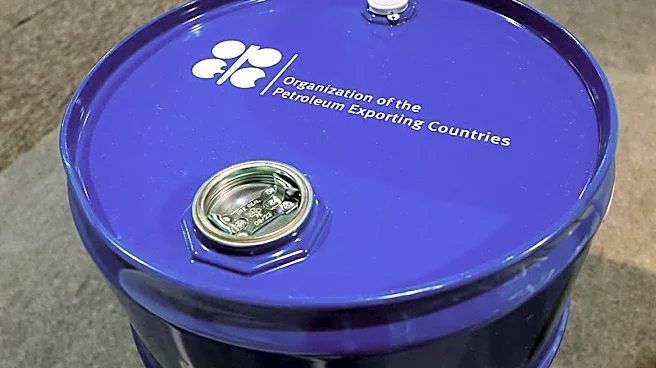
The United Arab Emirates (UAE) has announced its decision to leave OPEC and OPEC+, a move that could significantly impact the global oil market. This decision comes amid the ongoing conflict in Iran, which has already caused disruptions in oil supply
through the Strait of Hormuz. The UAE's departure from the oil-exporting groups is seen as a strategic move to focus on its national interests and gain more flexibility in its energy policies. The exit could weaken OPEC's influence and create uncertainty in the global oil market, especially as the group has traditionally aimed to present a united front despite internal disagreements.
Why It's Important?
The UAE's exit from OPEC and OPEC+ marks a significant shift in the global oil landscape. As a major oil producer, the UAE's decision could lead to increased volatility in oil prices and affect global energy markets. For the U.S., this development may influence energy prices and economic stability, as the country is a significant consumer of oil. The move also highlights the geopolitical complexities in the Middle East and the challenges faced by oil-producing nations in balancing national interests with collective agreements. This could lead to a reevaluation of energy strategies by other OPEC members and major oil-consuming countries.
What's Next?
The UAE's decision may prompt other OPEC members to reconsider their positions and strategies within the group. The global oil market could experience increased volatility as countries adjust to the new dynamics. The U.S. and other major oil consumers may need to explore alternative energy sources and strategies to mitigate potential disruptions. Additionally, the situation could lead to diplomatic efforts to stabilize the region and ensure the security of global energy supplies.