







What's Happening?
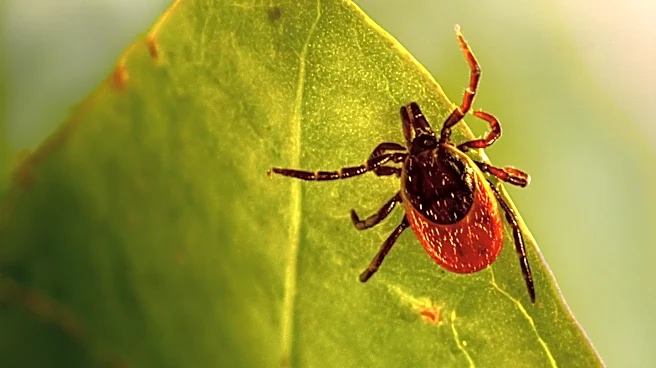
Vermont health officials are reporting a notable increase in emergency room and urgent care visits related to tick bites. Data from the Vermont Health Department indicates a rapid surge in these visits during April and May, followed by a decline through
September, and then another spike in early October. This trend is consistent with historical averages since 2017, which show high rates of tick-related incidents persisting until December. Dr. Natalie Kwit, the Vermont Health Department State Public Health Veterinarian, emphasized that while tick-borne illnesses are a concern, residents should not let fear prevent them from enjoying outdoor activities. She highlighted that tick-borne diseases are largely treatable and preventable with diligent precautions. Officials are advising individuals heading outdoors for hunting or hiking to take specific measures to protect themselves from ticks.
Why It's Important?
The rise in tick bite-related ER visits in Vermont underscores a significant public health concern, particularly as outdoor activities remain popular in late fall. This trend can strain healthcare resources, especially emergency departments, which may see an influx of patients seeking treatment for tick bites or potential tick-borne illnesses. For individuals, the risk of contracting diseases like Lyme disease or anaplasmosis increases, potentially leading to long-term health complications if not promptly diagnosed and treated. The economic impact could include increased healthcare costs for diagnosis and treatment, as well as potential lost productivity due to illness. Public health campaigns and educational efforts become crucial to inform residents about preventive measures, thereby mitigating the spread of these illnesses and reducing the burden on the healthcare system. The ongoing presence of ticks later into the year also suggests potential ecological shifts or environmental factors contributing to their prolonged activity.
What's Next?
Vermont health officials will likely continue to monitor the incidence of tick bites and associated illnesses, potentially issuing further public health advisories as the season progresses. Educational campaigns are expected to reinforce preventive measures, such as using EPA-registered insect repellents containing permethrin on clothing, wearing protective clothing by tucking pants into socks, and conducting thorough tick checks after outdoor activities. Healthcare providers will need to remain vigilant in diagnosing and treating tick-borne illnesses, especially as symptoms can sometimes mimic other conditions like the flu. Public awareness efforts may also focus on encouraging individuals to seek medical attention if they experience flu-like symptoms after potential tick exposure. The long-term outlook may involve continued research into tick populations, their habitats, and the prevalence of tick-borne pathogens to better inform future prevention strategies and public health responses.
Beyond the Headlines
The persistent and increasing trend of tick-borne illnesses in Vermont points to broader ecological and environmental considerations. Factors such as climate change, which can lead to milder winters and extended warm seasons, may contribute to longer active periods for ticks, expanding their geographical range and increasing human exposure. This situation highlights the interconnectedness of environmental health and human health, emphasizing the need for a 'One Health' approach that integrates human, animal, and environmental health perspectives. Furthermore, the reliance on individual preventive behaviors underscores the importance of public health literacy and community engagement in managing health risks. The ongoing challenge of tick-borne diseases could also spur innovation in tick control methods, vaccine development, and diagnostic tools, reflecting a continuous adaptation to evolving public health threats in a changing environment.