
What's Happening?
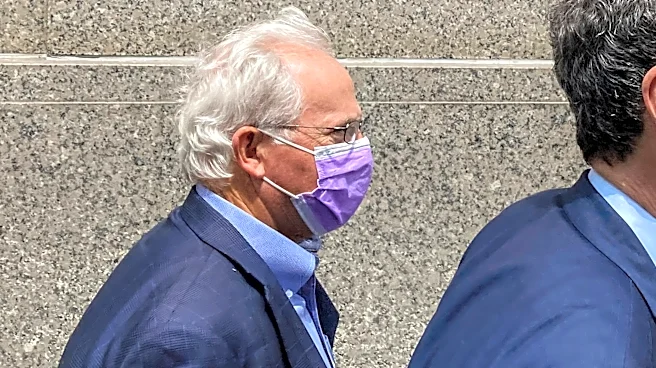
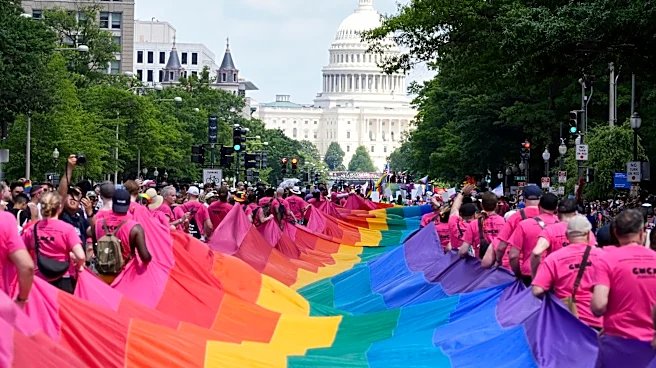
In several red states, there is a growing movement to replace LGBTQ+ Pride Month with alternative celebrations that emphasize traditional values. This shift is partly attributed to a campaign initiated
by conservative intellectual Robert P. George, who proposed 'Fidelity Month' as a counter to Pride Month. Republican governors in states like Arkansas, Utah, Alabama, and Indiana have adopted similar proclamations, promoting values such as family, faith, and country. This movement coincides with a broader Republican campaign against transgender rights and a decline in GOP support for LGBTQ+ rights since President Trump's first term. The Trump administration has also taken steps to reverse some pro-LGBTQ+ policies from previous administrations, such as renaming the USS Harvey Milk and emphasizing traditional gender roles in sports.
Why It's Important?
The push for alternative celebrations to Pride Month in red states highlights the ongoing cultural and political divide in the U.S. regarding LGBTQ+ rights. This movement reflects a broader trend within the Republican Party to appeal to socially conservative voters by emphasizing traditional values. The decline in Republican support for LGBTQ+ rights could have significant implications for public policy and civil rights, potentially leading to increased discrimination and reduced protections for LGBTQ+ individuals. The actions of Republican governors and the Trump administration suggest a strategic shift to consolidate support among conservative constituents, which could influence future elections and legislative priorities.
What's Next?
As the movement for alternative celebrations to Pride Month gains traction, it is likely to face legal and social challenges from LGBTQ+ advocacy groups and civil rights organizations. These groups may seek to challenge the legality of bans on Pride flags and other measures perceived as discriminatory. Additionally, the political landscape could shift if public opinion on LGBTQ+ rights continues to evolve, potentially influencing future elections and policy decisions. The response from the LGBTQ+ community and its allies will be crucial in shaping the discourse and advocating for equal rights and protections.