








What's Happening?
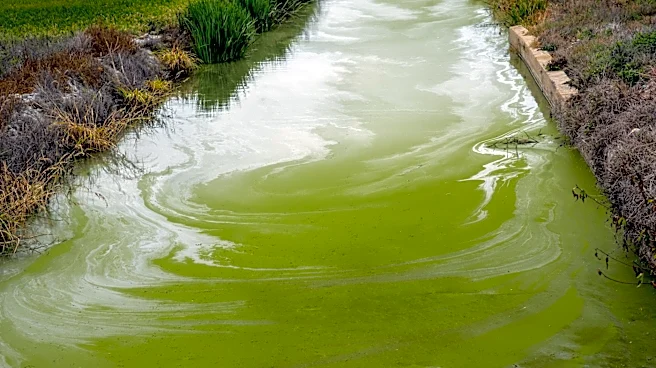
A recent working paper from the National Bureau of Economic Research highlights that 10 to 20 percent of Americans are exposed to potentially unsafe drinking water, despite significant federal efforts and expenditures since the 1974 Safe Drinking Water
Act. The study indicates that while overall pollution levels have decreased, a substantial portion of the population still receives water that violates safety standards. The Safe Drinking Water Act empowers the Environmental Protection Agency to set health-based standards for tap water, yet the study reveals that only 90 out of over 42,000 chemicals used in U.S. industries are regulated. The research utilized extensive data from 48 states, linking pollution levels to health outcomes, particularly among older Americans.
Why It's Important?
The findings underscore persistent challenges in ensuring safe drinking water across the United States, highlighting disparities in water quality that disproportionately affect low-income and minority communities. The study suggests that while progress has been made, it is uneven, with certain pollutants declining more slowly due to lack of regulation. This situation poses significant public health risks, as evidenced by CDC estimates of millions of illnesses linked to waterborne pathogens annually. The research also points to the effectiveness of federal loans in reducing pollution, suggesting that targeted financial support could further improve water safety.
What's Next?
The study's implications call for a reassessment of current regulatory frameworks and the expansion of chemical regulations under the Safe Drinking Water Act. Policymakers may need to consider increasing the number of regulated substances and enhancing infrastructure investments to address the disparities in water quality. Continued monitoring and research are essential to ensure that progress reaches all communities equitably, potentially leading to policy adjustments that prioritize vulnerable populations.