





What's Happening?
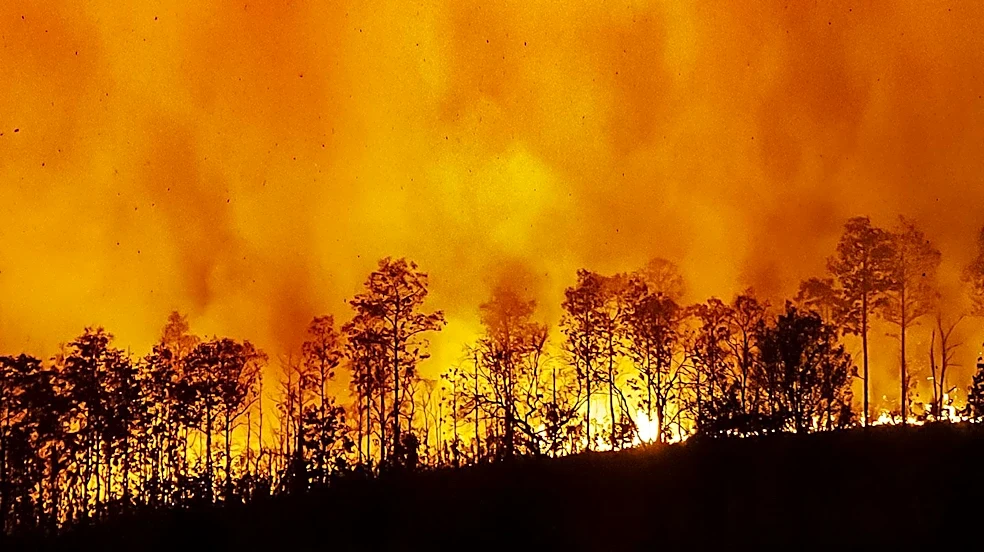
The Lincoln National Forest in New Mexico has commenced hazard tree removal and fuels reduction work within the South Fork and Blue 2 fire scars on the Smokey Bear Ranger District, effective October 21. This initiative is a critical component of ongoing
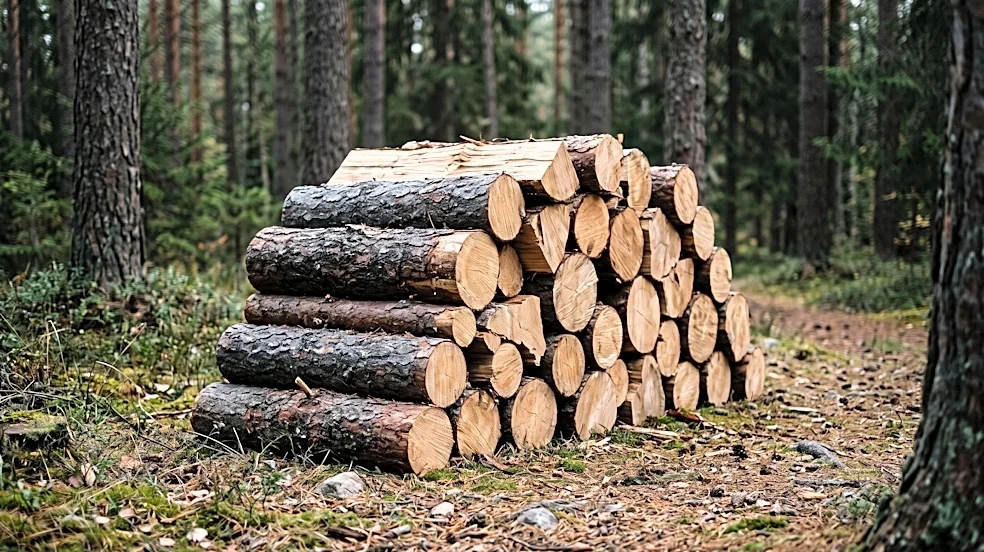
post-fire restoration efforts aimed at supporting the recovery of landscapes impacted by recent wildfires. The work involves cutting and removing dead or dying trees along roads and around recreation sites, including the South Fork Campground, to restore safe access. Additionally, fuels reduction will include mastication or cutting of dead or dying trees across a 1,000-acre block near Cedar Creek Drive. The Forest Service will prioritize tree removal near trails, infrastructure, and private property, with larger trees being stored for commercial timber, fuel wood, or future soil cover applications. Temporary public closures are anticipated during peak work periods for safety.
Why It's Important?
This restoration work is vital for the long-term health and safety of the Lincoln National Forest and its surrounding communities. The removal of hazardous trees directly addresses safety concerns for visitors and residents, enabling the eventual reopening of recreational areas like the Cedar Creek Trail system. By reducing fuel loads, the project also mitigates the risk of future catastrophic wildfires, protecting both natural resources and human settlements. Furthermore, the project prepares areas for reforestation by clearing debris and improving soil stability with wood chips, which is crucial for the survival of new seedlings. This proactive approach ensures that the forest can recover more effectively from past fires and become more resilient to future environmental challenges, safeguarding ecological balance and public access to natural spaces.
What's Next?
The hazard tree removal and fuels reduction work will continue, with temporary public closures expected during peak operational periods to ensure safety. The Forest Service plans to provide additional updates and information to the public as wood becomes available from the removed trees. Looking ahead, the Cedar Creek Trail system is slated for restoration in 2027, with the current hazard tree removal creating safer working conditions for those crews and future trail users. The 1,000-acre treatment block near Cedar Creek has been designated as a reforestation site for 2028, indicating that planting efforts will follow the current groundwork. The success of these initial phases will directly influence the long-term recovery and accessibility of the affected areas within the Lincoln National Forest.
Beyond the Headlines
Beyond the immediate safety and ecological benefits, this project highlights the evolving strategies in forest management in response to increasing wildfire frequency and intensity. The integration of hazard tree removal with fuels reduction and reforestation planning demonstrates a comprehensive approach to ecosystem restoration. This effort also underscores the economic potential of post-fire timber, as larger trees are being salvaged for commercial use or fuel wood, contributing to local economies while aiding forest recovery. The project serves as a model for how federal agencies are adapting to climate-related challenges, emphasizing resilience and sustainable land management practices. It also brings to light the complex balance between public access, environmental protection, and the practicalities of large-scale restoration in fire-prone regions.