


What's Happening?
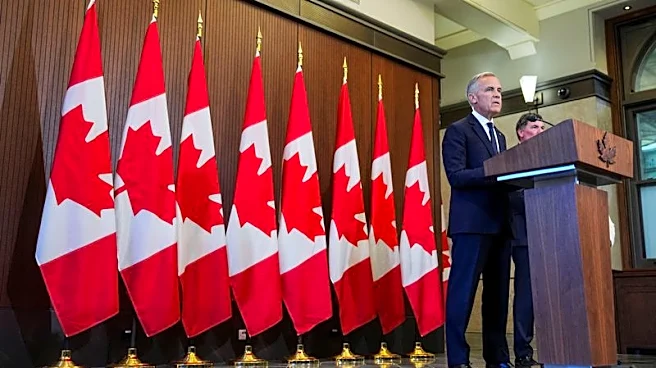
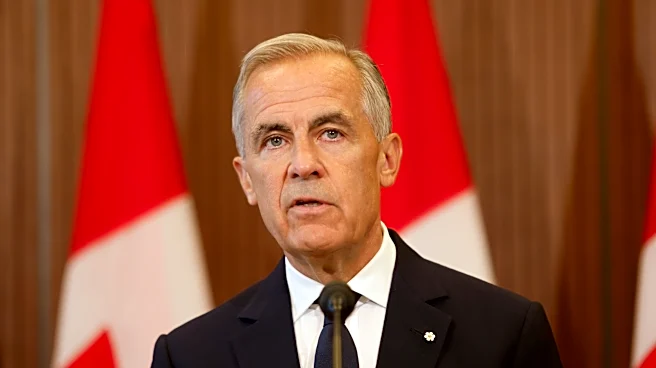
U.S. Vice President J.D. Vance reportedly mocked Canadian Prime Minister Mark Carney during a private event fundraiser in Southampton, New York. An audio recording, provided to The Canadian Press by The Guardian, captures Vance calling Carney “a very
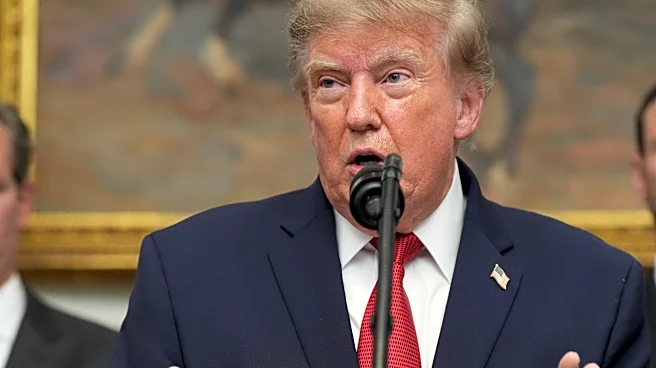
nice guy” and stating he gets along well with him. However, Vance claimed that Carney approaches negotiations with the intention of appearing tougher than President Trump and is portraying the situation as a victory for Canada, despite, in Vance's view, Canada having conceded on many issues. This recording surfaced at the conclusion of challenging trade negotiations between the U.S. and Canada. President Trump had previously threatened to impose 50 percent tariffs on Canada, initially set for August 19, but later announced a three-day pause. Canadian officials have indicated that an agreement is close, potentially involving the resumption of American alcohol sales across Canada in exchange for avoiding the most severe U.S. tariffs. The White House had cited Canada’s “discriminatory practices,” including restrictions on U.S. alcohol sales in several provinces and territories, as justification for the potential tariffs, noting an 81% year-over-year decline in Canadian imports of U.S. alcohol.
Why It's Important?
This incident highlights the complex and often contentious nature of international trade negotiations, particularly between close allies like the U.S. and Canada. Vice President Vance's comments, even if made in a private setting, could strain diplomatic relations and impact the perception of U.S. negotiating tactics. The potential trade agreement, which includes the resumption of American alcohol sales in Canada, underscores the economic leverage the U.S. holds and the significant impact tariffs can have on specific industries. The White House's justification for potential tariffs, citing 'discriminatory practices' and a sharp decline in U.S. alcohol imports, reveals the administration's focus on addressing perceived trade imbalances. For U.S. businesses, particularly those in the alcohol industry, the resolution of these trade disputes could mean renewed access to a significant market, while Canadian provinces face pressure to adjust their policies to avoid broader economic repercussions. The episode also illustrates the political maneuvering and public relations strategies employed by leaders during high-stakes trade discussions.
What's Next?
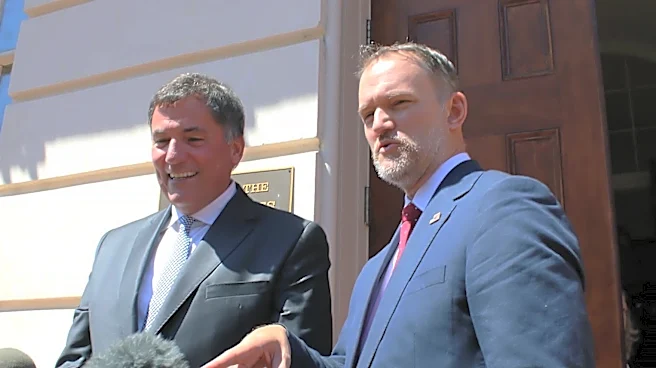
The immediate next step involves the finalization and implementation of the trade agreement between the U.S. and Canada. Canadian officials have indicated that an agreement is close, which would likely include the resumption of American alcohol sales in Canada. This would necessitate changes in provincial policies regarding alcohol distribution and sales. The reaction from Canadian provinces, particularly Manitoba Premier Wab Kinyu and Nova Scotia Premier Tim Houston, who were reportedly asked by Carney to reinstate American alcohol on store shelves, will be crucial. Kinyu had previously urged Canadians to boycott American goods, suggesting potential public and political resistance to these changes. The U.S. administration will likely monitor Canada's adherence to the agreement, especially regarding the removal of 'discriminatory practices.' The broader implications for future U.S.-Canada trade relations and the potential for similar tariff threats in other sectors will also be closely watched. The incident may also prompt further scrutiny of private remarks made by high-ranking officials and their impact on international diplomacy.
Beyond the Headlines
The reported comments by Vice President Vance delve into the less visible aspects of international diplomacy, where personal perceptions and private remarks can influence public narratives and negotiating dynamics. The portrayal of Prime Minister Carney as attempting to appear 'tougher than Trump' suggests an underlying tension in the personal relationship between leaders, which can complicate formal negotiations. This incident also touches upon the broader issue of economic nationalism, as evidenced by President Trump's tariff threats and Premier Kinyu's call for boycotting American goods. Such sentiments can lead to protectionist policies that, while intended to protect domestic industries, can also disrupt established trade relationships and consumer choices. The focus on alcohol sales highlights how specific product categories can become central to larger trade disputes, reflecting cultural and economic sensitivities. Furthermore, the leak of a private audio recording raises questions about privacy, accountability, and the impact of such disclosures on political discourse and international relations.