



What's Happening?
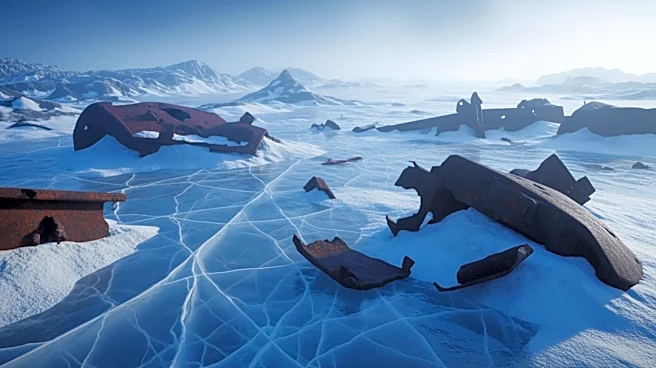
Researchers conducting a routine radar survey over Greenland have rediscovered Camp Century, a Cold War-era U.S. military base buried under the ice. The site, known as the 'city under the ice,' was originally built in 1959 and abandoned in 1967. It was intended
to test Arctic construction techniques and explore the feasibility of deploying nuclear missiles from beneath the ice. The radar survey, conducted by a team including Alex Gardner from the Jet Propulsion Laboratory, revealed the base's structures, which are now buried under approximately 100 feet of ice. The discovery has raised concerns about the potential environmental impact of the site's buried waste, which includes diesel fuel, wastewater, and low-level radioactive materials.
Why It's Important?
The rediscovery of Camp Century highlights the ongoing environmental risks posed by historical military sites in polar regions. As climate change accelerates ice melt, there is a growing risk that buried waste could be exposed, potentially releasing pollutants into the environment. This situation underscores the need for international cooperation in addressing the legacy of Cold War-era military activities in the Arctic. The findings also emphasize the importance of monitoring and managing these sites to prevent environmental contamination as global temperatures rise.
What's Next?
The radar survey's findings may prompt further investigations into the environmental impact of Camp Century and similar sites. Scientists and policymakers may need to develop strategies to mitigate the risks associated with buried waste as ice sheets continue to melt. This could involve international agreements on monitoring and remediation efforts to protect the Arctic environment. Additionally, the data collected from the radar survey could inform future research on ice sheet dynamics and their implications for global sea level rise.
Beyond the Headlines
The discovery of Camp Century serves as a reminder of the long-term environmental consequences of military activities in sensitive regions. It raises ethical questions about the responsibility of nations to address the environmental legacies of past actions. The situation also highlights the need for transparency and collaboration in managing the Arctic's unique and fragile ecosystem, which is increasingly vulnerable to the impacts of climate change.