


What's Happening?
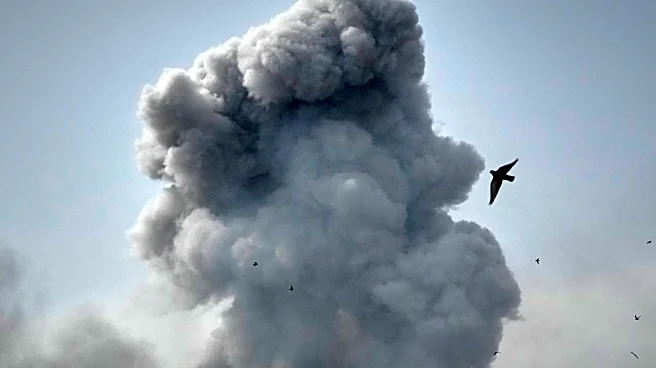
Amazon Web Services (AWS) has reported significant disruptions to its data centers in the United Arab Emirates and Bahrain due to drone strikes. In the UAE, two out of three regional data center hubs have been significantly impaired, while a third is operating
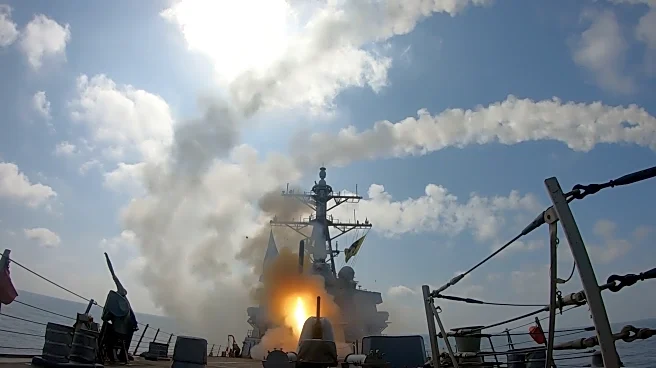
with some indirect impacts. In Bahrain, a drone strike near a facility caused infrastructure damage. AWS has acknowledged the physical damage and anticipates a prolonged recovery period. These incidents are part of a broader conflict in the Middle East, which has also affected global energy markets, causing oil prices to spike and disrupting tanker traffic through the Strait of Hormuz.
Why It's Important?
The disruption of AWS data centers in the Middle East highlights the vulnerability of critical infrastructure to geopolitical conflicts. AWS is a major provider of cloud services globally, and any prolonged outage can have significant implications for businesses and services that rely on its infrastructure. The incident underscores the interconnectedness of global technology and energy markets, as disruptions in one region can have ripple effects worldwide. Companies using AWS services may face increased error rates and degraded availability, potentially impacting their operations and customer service. The situation also raises concerns about the security of data centers in conflict zones and the need for robust contingency plans.
What's Next?
AWS is working to restore full service availability, but the recovery is expected to be prolonged due to the nature of the physical damage. The company has advised customers in the Middle East to back up data and consider migrating workloads to other AWS regions. As the conflict in the Middle East continues, the operating environment remains unpredictable, posing ongoing risks to infrastructure and services. Stakeholders, including businesses and governments, may need to reassess their strategies for managing geopolitical risks and ensuring the resilience of critical infrastructure.