







What's Happening?
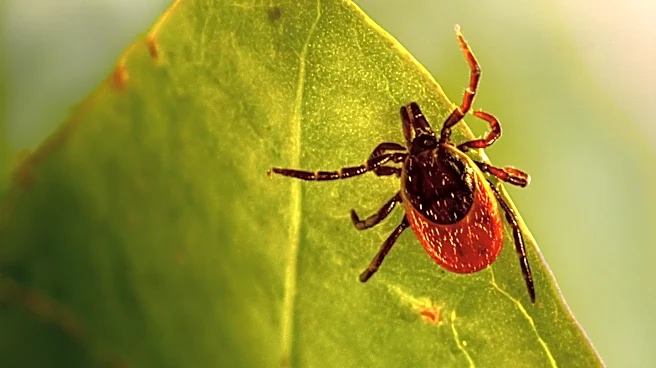
Blacklegged ticks, also known as deer ticks, remain active during the fall months and can re-emerge to seek hosts on warmer winter days, even when temperatures decrease. These ticks become active again in autumn, actively searching for a host before the onset
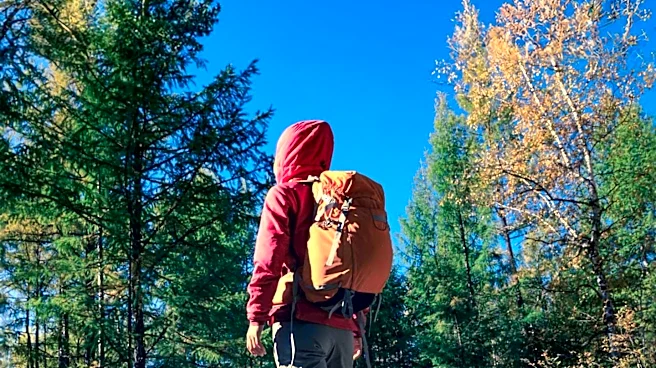
of deep winter. During periods when winter temperatures rise above freezing, blacklegged ticks can also become mobile. This persistent activity means that outdoor activities such as raking leaves, hiking, or hunting can bring individuals into contact with ticks, particularly in regions like the Northeast, Mid-Atlantic, and Upper Midwest. Blacklegged ticks are known carriers of various infections, including Lyme disease, anaplasmosis, and babesiosis. The Centers for Disease Control and Prevention (CDC) recommends using EPA-registered repellents, checking oneself, children, and pets after being outdoors, showering within two hours of coming inside, and drying outdoor clothing on high heat for 10 minutes.
Why It's Important?
The continued activity of blacklegged ticks into late fall and during warmer winter days poses a significant public health concern. Many individuals may mistakenly believe that tick season ends with cooler weather, leading to reduced vigilance and increased risk of exposure to tick-borne diseases. This extended period of activity means that preventive measures, such as using repellents and performing tick checks, must be maintained year-round, especially for those engaging in outdoor activities. The diseases transmitted by blacklegged ticks, such as Lyme disease, can have serious long-term health consequences if not diagnosed and treated promptly. Therefore, understanding that tick season is not strictly confined to warmer months is crucial for effective prevention and public safety.
What's Next?
Public health advisories will likely continue to emphasize year-round tick awareness and prevention strategies. Educational campaigns will need to reinforce the message that cooler weather does not eliminate the risk of tick encounters. Individuals engaging in outdoor activities during fall and winter, particularly in endemic areas, should remain diligent with personal protective measures. Research into tick behavior and survival in varying temperatures may also continue to provide more precise guidance on risk periods. Healthcare providers should remain aware of the potential for tick-borne illnesses outside of traditional 'tick season' when evaluating patients with relevant symptoms.
Beyond the Headlines
The persistence of tick activity in colder months may be influenced by broader environmental changes, including milder winters and fluctuating temperatures due to climate change. This extended activity window could lead to an increase in the incidence of tick-borne diseases as ticks have more opportunities to find hosts. It also highlights the adaptability of these vectors to changing environmental conditions. From a public health perspective, this necessitates a re-evaluation of seasonal health campaigns and a more integrated, year-round approach to vector control and public education. The economic impact could also be significant, with increased healthcare costs associated with treating tick-borne illnesses and potential disruptions to outdoor recreational industries if public fear of ticks rises.