



What's Happening?
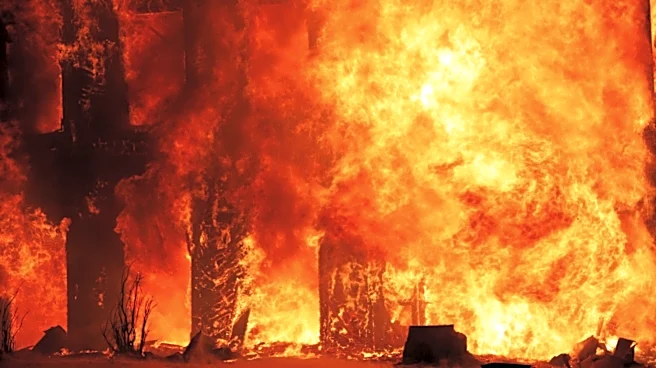
A firefighter was transported to a hospital for medical evaluation following a significant rowhome fire that erupted in Northeast D.C. on Saturday evening. The D.C. Fire and EMS Department reported that the incident occurred around 7:29 p.m. in the 100
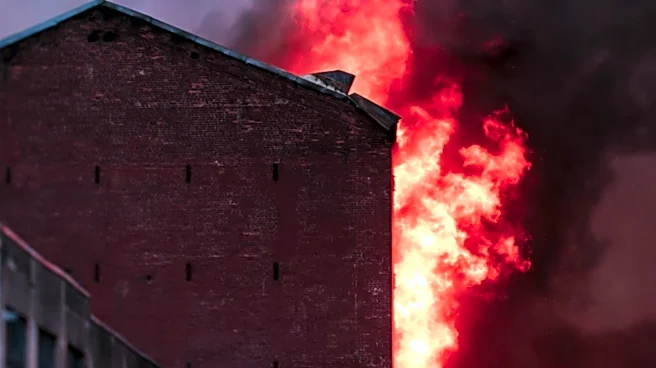
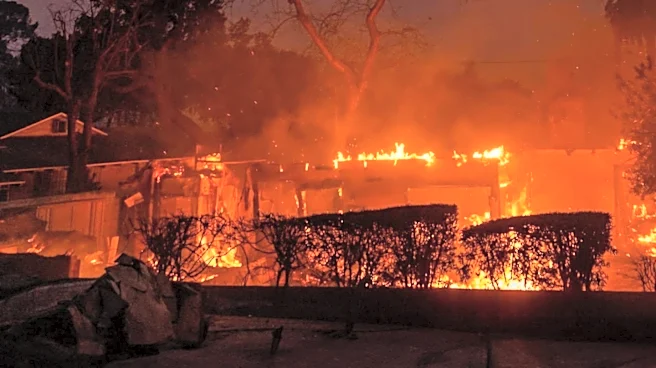
block of Rhode Island Avenue NE, situated within the densely populated Edgewood-Eckington neighborhood. Upon their arrival at the scene, fire crews were immediately confronted with substantial smoke and visible flames emanating from the attic area of a 2 1/2-story rowhouse. The intensity of the blaze was such that it subsequently extended to an adjacent rowhome, complicating suppression efforts and increasing the potential for widespread damage. While one adult civilian was evaluated at the scene for minor issues, the firefighter was the sole individual transported to a hospital for further assessment, indicating a potential injury or exposure during the operation. Authorities confirmed that no other injuries or hospital transports were reported in connection with the incident, which is a testament to the rapid response and evacuation efforts. Fire officials have preliminarily determined the cause of the blaze to be accidental, although additional specific details regarding its precise origin and contributing factors were not immediately available to the public. The exact number of residents who have been displaced by the fire has not yet been officially determined, and assessments are ongoing.
Why It's Important?
This incident in Northeast D.C. critically underscores the inherent and elevated risks faced by firefighters operating in dense urban environments, particularly when confronting rowhome fires where blazes can rapidly and unpredictably spread between interconnected structures. The necessity of transporting a firefighter to the hospital, even for evaluation, highlights the extreme physical demands, intense heat, and potential exposure to hazardous materials involved in emergency response, thereby emphasizing the continuous need for rigorous training, state-of-the-art equipment, and robust safety protocols to protect these essential personnel. For residents of densely populated areas like the Edgewood-Eckington neighborhood, such fires pose a significant and immediate threat to both property and personal safety, often resulting in substantial structural damage, loss of belongings, and the traumatic experience of displacement. The preliminary determination of the fire's accidental nature also brings renewed attention to the critical importance of proactive fire prevention measures and ongoing public awareness campaigns within residential areas. These initiatives are vital for educating citizens on common fire hazards and preventative actions, ultimately aiming to mitigate risks and safeguard the well-being of urban communities.
What's Next?
In the immediate aftermath of the fire, the hospitalized firefighter will undergo a comprehensive medical evaluation to ascertain the full extent of any injuries or exposures sustained and to ensure a safe and timely return to duty. The D.C. Fire and EMS Department will continue its thorough investigation into the specific cause of the accidental fire. This inquiry aims to identify any underlying contributing factors, which will then inform the development of enhanced fire prevention strategies and public safety advisories for the community. A crucial next step will involve determining the precise number of residents displaced by the fire. Once identified, efforts will be made to coordinate comprehensive support services for these individuals, potentially involving collaboration with local community organizations, social services, and housing authorities to provide temporary shelter, essential supplies, and long-term assistance. Furthermore, this incident may prompt local authorities to reinforce existing fire safety guidelines specifically tailored for rowhome residents, with a renewed focus on common accidental causes and effective preventative measures to minimize future risks in similar urban housing structures.
Beyond the Headlines
The occurrence of a rowhome fire in a densely populated urban setting like Washington D.C. brings to light broader systemic issues related to urban planning, the enforcement of building codes, and the overall resilience of metropolitan communities. The rapid spread of fire between rowhomes highlights the unique challenges associated with older housing stock, often characterized by shared walls and less stringent fire-resistant construction compared to modern standards. This incident could potentially spark wider discussions among city planners and policymakers regarding the adequacy of current fire safety regulations for multi-unit dwellings and the pressing need for regular inspections, mandatory upgrades, and retrofitting initiatives to enhance structural fire protection. Moreover, the displacement of residents, even if temporary, underscores the profound social impact of such events, emphasizing the critical need for robust community support networks, accessible emergency housing solutions, and comprehensive disaster recovery plans. The unwavering dedication of firefighters in containing such blazes, despite facing significant personal risk, reinforces their indispensable role in maintaining urban safety and highlights the continuous necessity for sustained public investment in fire services, including advanced training, modern equipment, and adequate staffing.