




What's Happening?
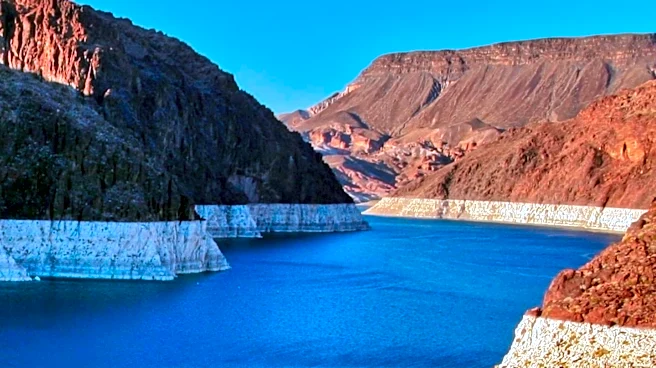
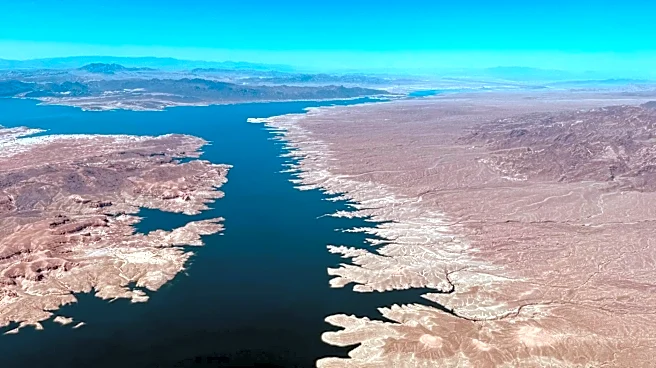
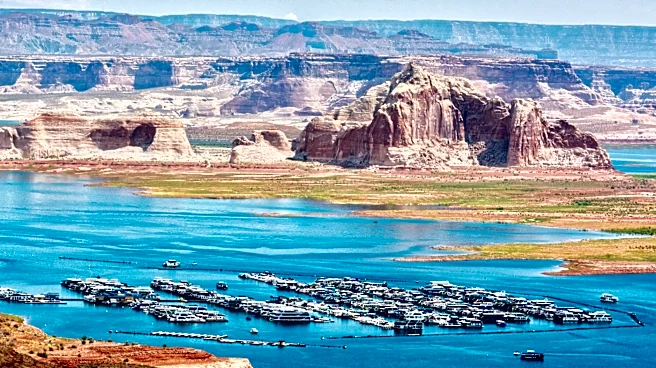
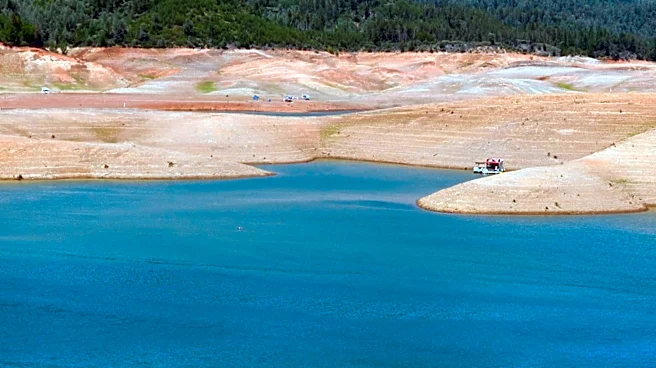
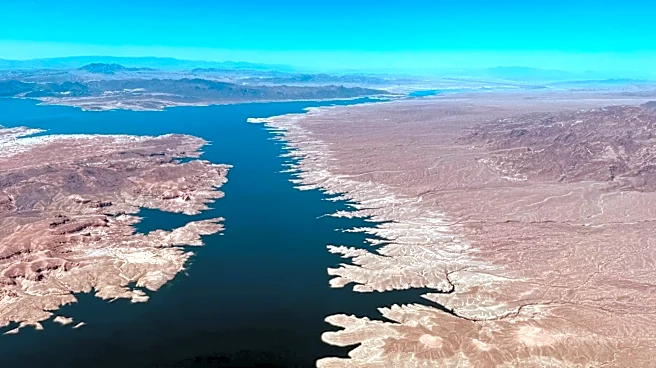
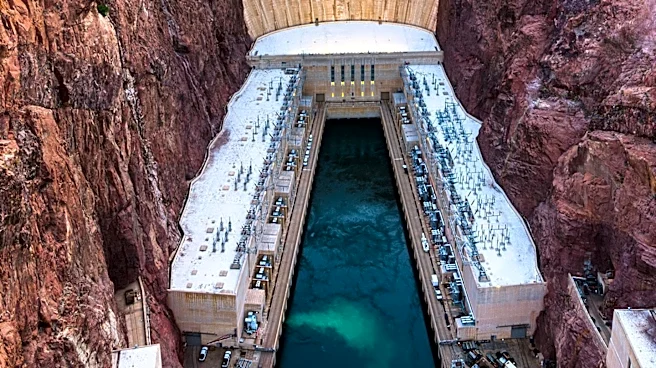
Lake Powell is approaching a critical water level that could significantly impact hydropower generation. The U.S. Bureau of Reclamation (USBR) has projected that Lake Powell could reach its minimum power pool by March 2027, which would prevent the Glen
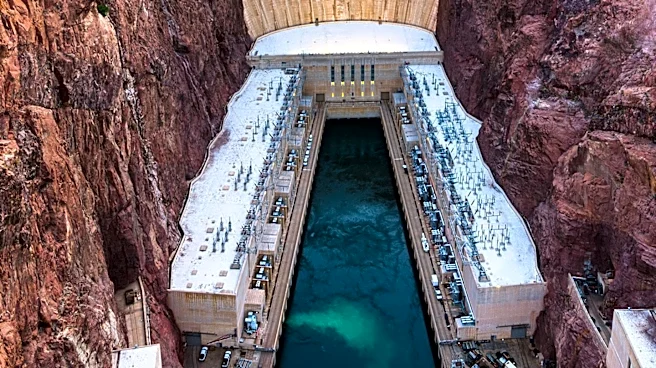
Canyon Dam from producing hydropower. This situation arises amidst ongoing drought conditions affecting the Colorado River, which supplies water to 40 million people and supports significant agricultural and industrial activities. The dam's reduced efficiency due to lower water pressure is already affecting power generation. If the reservoir falls below the critical level, utilities may need to replace lost hydropower with more expensive and volatile energy sources, potentially leading to increased electricity rates over time.
Why It's Important?
The potential loss of hydropower from Lake Powell could have widespread economic implications, particularly for the Western United States. Hydropower is a cost-effective energy source, and its reduction could lead to higher electricity prices, affecting both industrial users and households. The situation underscores the vulnerability of energy infrastructure to climate change and drought conditions. The broader impact includes potential shifts in energy sourcing, with utilities possibly turning to natural gas or other regions for power, which could increase carbon emissions and affect energy market stability. The issue also highlights the need for strategic water management and energy planning to mitigate the effects of climate variability.
What's Next?
As Lake Powell approaches its critical threshold, stakeholders, including government agencies and utility companies, will need to explore alternative energy solutions and water management strategies. The USBR and other federal entities may need to revise operating guidelines for the Colorado River system to balance water and energy needs. Additionally, there may be increased pressure on policymakers to invest in renewable energy sources and infrastructure improvements to enhance grid resilience. Public awareness and advocacy could also play a role in shaping future energy and environmental policies.