







What's Happening?
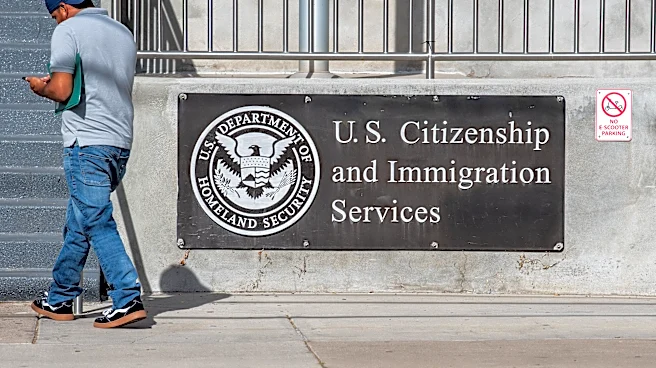
U.S. Citizenship and Immigration Services (USCIS) is experiencing significant processing delays and a growing backlog of immigration applications and petitions in 2026. New data from Boundless indicates longer approval times for various employment-based
immigration cases, including H-1B petitions and adjustment-of-status applications. For instance, the median approval time for adjustment-of-status applications increased by approximately 30% from 121 days in 2025 to 157 days in 2026, reaching 175 days for cases approved since July. Additionally, nearly three in four EB-1 immigrant petitions filed by Boundless in 2026 received a Request for Evidence (RFE), a substantial increase from two in five in 2025. Immigration attorneys are reporting issues with premium processing, delayed receipt notices, and a lack of clear communication from USCIS regarding case resolutions. The American Immigration Council reported that USCIS had 12.1 million pending cases in the second quarter of fiscal year 2026, marking a 7.2% increase from the previous year.
Why It's Important?
These widespread delays at USCIS create considerable uncertainty for both U.S. employers and foreign workers. For businesses, the extended processing times complicate immigration planning, particularly for employee transfers and work authorization renewals, leading to increased administrative burdens. The unpredictability of case resolutions can disrupt workforce planning and potentially impact operational efficiency. For foreign workers and their families, the delays translate into prolonged periods of anxiety and uncertainty regarding their immigration status, affecting their ability to work, travel, and plan their lives in the U.S. The increased incidence of RFEs further prolongs the process, demanding more time and resources from applicants and their legal teams. The overall growing backlog suggests a systemic issue that could hinder the timely integration of skilled workers into the U.S. economy and affect family reunification efforts.
What's Next?
USCIS has not announced a comprehensive agency-wide solution to address these processing delays, suggesting that employers and applicants should anticipate continued uncertainty. Employers are advised to initiate immigration planning well in advance, track premium processing deadlines, and monitor dependent applications separately. Foreign workers should regularly check their case status online, review USCIS processing times, and maintain thorough records of their filings. It is crucial for applicants to consult with immigration attorneys to determine when formal inquiries are appropriate, especially if processing deadlines are missed or receipt notices are significantly delayed. The State Department has cautioned that retrogression of visa dates is possible if application volumes surge, urging eligible applicants to act promptly. While contacting USCIS repeatedly is unlikely to expedite individual cases, strategic follow-ups by legal counsel remain important.
Beyond the Headlines
The persistent processing delays at USCIS highlight broader challenges within the U.S. immigration system, including resource allocation, technological infrastructure, and policy effectiveness. The increased workload on immigration teams, as evidenced by the doubling of case inquiries from Boundless, points to a strain on the system that extends beyond individual applications. This situation can lead to a perception of inefficiency and unresponsiveness, potentially deterring highly skilled foreign talent from seeking opportunities in the U.S. The human cost of these delays, including emotional distress and financial strain on applicants, is significant. Furthermore, the reliance on social media for information, as noted in a separate context, can lead to misinformation and distorted public perceptions of immigration issues, underscoring the need for clear and timely communication from official sources.