






What's Happening?
David Rubenstein, co-founder of The Carlyle Group, has shared his perspectives on several pressing national issues, including the United States' $40 trillion national debt and the implications of paying more in interest than on national defense. He highlighted
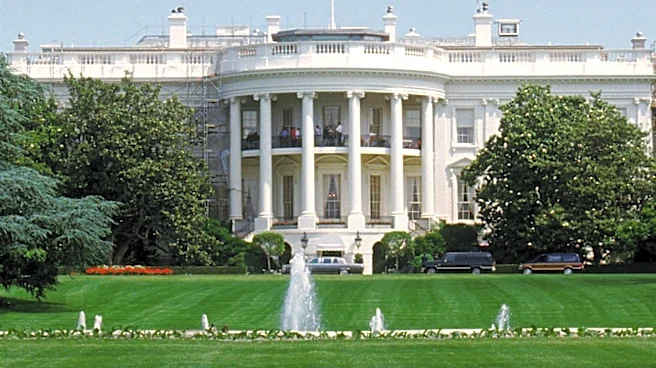
the concerning statistic that over 50% of adult Americans have not read a book in the last year, distinguishing between illiteracy (inability to read) and illiteracy (choosing not to read). Rubenstein also touched upon the functional illiteracy rate, noting that 19% of adults cannot read past a fourth-grade level, which significantly impacts employment and contributes to high rates of illiteracy in federal prisons and juvenile delinquency systems. Furthermore, he expressed his views on the ongoing physical changes to the White House, particularly the addition of a ballroom, suggesting it might diminish the historical intimacy of state dinners. Rubenstein, who has chaired various historical and cultural institutions, emphasized the importance of preserving historical documents and promoting literacy.
Why It's Important?
The discussion by David Rubenstein underscores critical challenges facing the United States. The escalating national debt, now at $40 trillion with interest payments exceeding national defense spending, poses a significant threat to the nation's financial stability and national security. This economic strain could lead to higher interest rates, making borrowing more expensive for housing, credit cards, and businesses, thereby hindering economic growth. The widespread issue of illiteracy and illiteracy has profound societal and economic consequences. A functionally illiterate workforce struggles to secure stable employment, perpetuating cycles of poverty and contributing to higher incarceration rates. This impacts productivity, innovation, and overall societal well-being. Rubenstein's concerns about the White House renovations highlight a broader debate about balancing modernization with historical preservation, reflecting on how changes to national symbols can affect public perception and the sense of shared history. His efforts to promote literacy and preserve historical documents are crucial for fostering an informed citizenry and maintaining a connection to the nation's past.
What's Next?
Addressing the national debt will likely require significant policy decisions from the White House and Congress regarding fiscal spending and revenue generation. The current administration's approach to interest rates and bond buying will continue to be scrutinized for its impact on the economy. Efforts to combat illiteracy and illiteracy will need sustained investment in educational programs and initiatives aimed at promoting reading from an early age and throughout adulthood. Stakeholders, including educational institutions, non-profits, and government agencies, will need to collaborate to develop effective strategies. The ongoing renovations at the White House will continue, and future administrations may face decisions regarding the use and potential further modifications of these spaces. The debate over the balance between historical preservation and functional modernization of national landmarks is expected to persist. Additionally, legislative changes regarding the appointment of the Librarian of Congress and the Office of Copyrights and Patents are currently in progress, which could alter the governance and functions of these key institutions.
Beyond the Headlines
The issues raised by David Rubenstein extend beyond immediate policy concerns, touching upon the fundamental values and long-term trajectory of American society. The national debt's growth and the prioritization of interest payments over defense spending could signal a shift in national priorities and resource allocation, potentially impacting global standing and domestic programs. The prevalence of illiteracy and illiteracy points to a deeper cultural challenge regarding engagement with knowledge and critical thinking in an increasingly digital world. The reliance on short-form content and the decline in book reading could have long-term implications for civic discourse, informed decision-making, and the ability of individuals to process complex information. The changes to the White House, while seemingly architectural, can symbolize a broader reinterpretation of national heritage and presidential legacy. Rubenstein's personal dedication to preserving historical documents and promoting literacy underscores the ethical responsibility of individuals and institutions to safeguard cultural memory and foster intellectual engagement for future generations. These trends collectively shape the intellectual, cultural, and economic landscape of the United States.