





What's Happening?
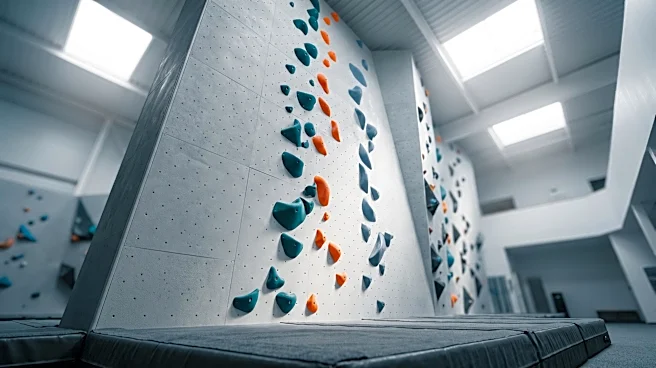
Caleb Morrison, a biomedical sciences student at Colorado State University (CSU) with a concentration in environmental public health, is conducting research into the effects of climbing chalk dust on indoor air quality in climbing gyms. Inspired by a lecture
from Associate Professor Luke Montrose, Morrison observed significant dust accumulation in CSU's climbing gym and experienced respiratory discomfort after climbing. With Montrose's guidance, Morrison utilized a wearable device to monitor personal air quality, specifically measuring PM2.5 and PM10 particulate matter. His preliminary findings indicate that air quality significantly deteriorates closer to the climbing gym and at higher elevations on the climbing wall, with the device maxing out its readings on several occasions in specific climbing areas.
Why It's Important?
This research is important because it sheds light on a potentially overlooked environmental health concern within recreational facilities. Indoor climbing gyms, while promoting physical activity, may expose climbers and staff to elevated levels of particulate matter from climbing chalk and other sources like rubber-derived compounds from climbing shoes. Prolonged exposure to PM2.5 and PM10 can lead to respiratory irritation, inflammation, and contribute to more serious long-term health issues. Morrison's study highlights the need for better ventilation systems, air filtration, and potentially alternative chalk products in these environments. The findings could influence operational practices in climbing gyms nationwide, leading to improved health and safety standards for a growing community of climbers and gym employees.
What's Next?
Following these preliminary findings, Caleb Morrison's research will likely continue to gather more comprehensive data to solidify his observations. This could involve more extensive monitoring, potentially across multiple climbing gyms, and a more detailed analysis of the specific components of the particulate matter. The next steps might also include exploring potential solutions, such as the effectiveness of different ventilation systems, air purifiers, or the use of liquid chalk alternatives that produce less airborne dust. The ultimate goal would be to develop evidence-based recommendations for climbing gym operators to mitigate air quality issues, ensuring a healthier environment for all users. This research could also lead to published studies and contribute to broader discussions on indoor air quality in recreational settings.
Beyond the Headlines
This student-led initiative at CSU highlights the critical role of academic research in identifying and addressing niche public health concerns. Beyond the immediate context of climbing gyms, it underscores the broader issue of indoor air quality in various public and private spaces where specific activities generate pollutants. The study's methodology, using wearable air quality monitors, demonstrates an accessible approach to environmental health research that can be replicated in other settings. It also brings attention to the often-invisible health impacts of recreational activities and the need for proactive measures to ensure safety. This research could spark innovation in product development for sports equipment, leading to healthier alternatives for athletes and enthusiasts.