






What's Happening?
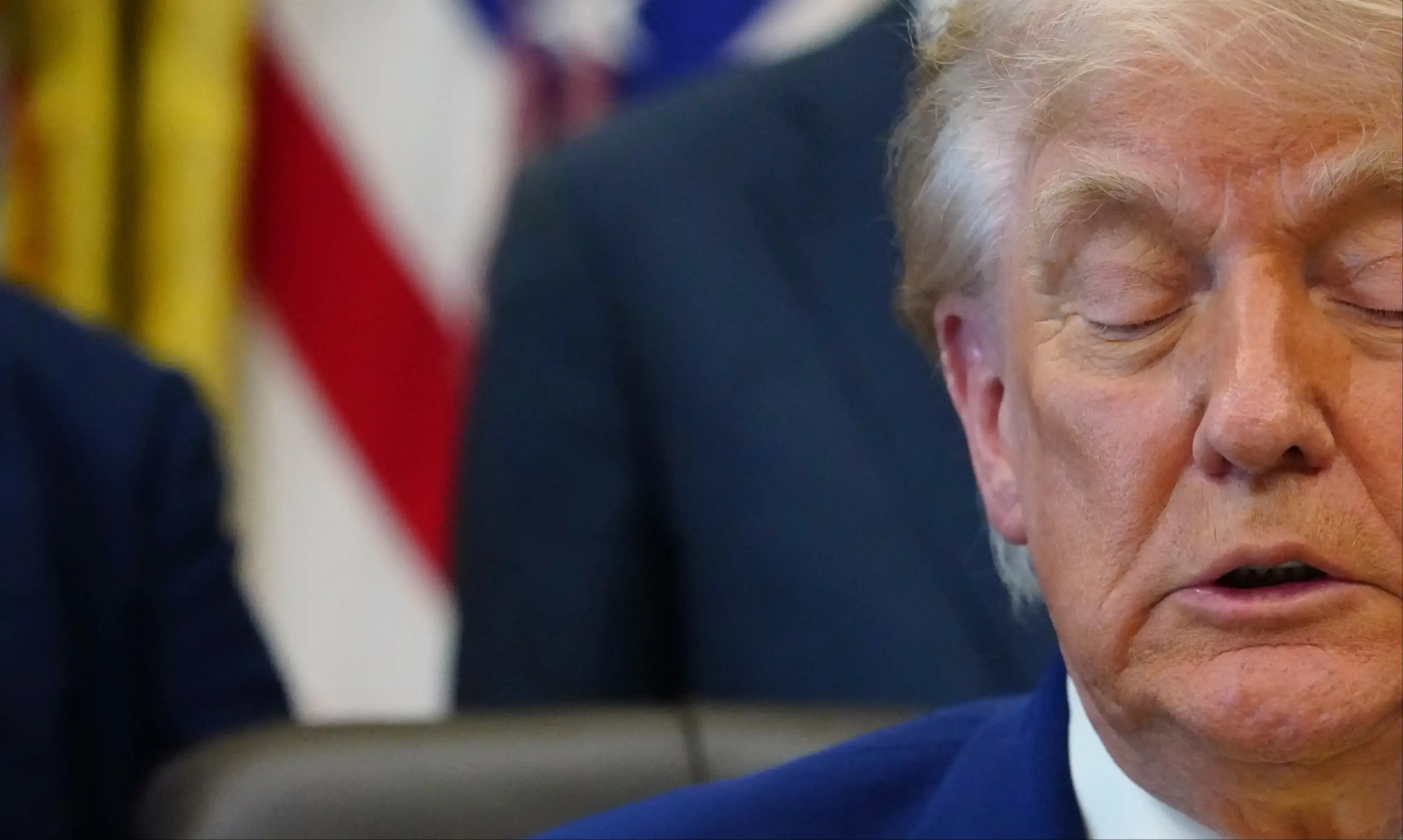
President Donald Trump has appointed Bill Pulte, a real estate executive and political donor, as the acting Director of National Intelligence (DNI). Pulte, who lacks experience in espionage or international diplomacy, has been tasked with executing a significant
downsizing of the Office of the Director of National Intelligence (ODNI). This move aligns with the administration's view that the ODNI is overly expansive and redundant. Pulte's appointment and the directive to terminate numerous career personnel have caused significant concern among intelligence professionals and lawmakers. The ODNI, established post-9/11 to integrate intelligence streams and provide independent assessments, is now facing potential restructuring under Pulte's leadership.
Why It's Important?
The directive to downsize the ODNI could have profound implications for U.S. national security. Critics argue that reducing the agency's workforce might compromise its ability to provide comprehensive intelligence assessments, potentially leaving the U.S. vulnerable to security threats. The move has also sparked bipartisan concern, with some lawmakers fearing that the appointment of a politically aligned figure like Pulte could lead to the politicization of intelligence. This development could affect the balance of power within the intelligence community, shifting control from career analysts to the executive branch, and may influence future intelligence operations and policy decisions.
What's Next?
As Pulte begins implementing the downsizing directive, legal and institutional challenges are anticipated. Career employees are protected by civil service guidelines, and any mass terminations could lead to whistleblower complaints and legal actions. Additionally, the Government Accountability Office is investigating Pulte's past conduct, which could complicate his efforts. The situation is likely to provoke further political debate, especially as Congress negotiates the reauthorization of surveillance tools. The outcome of these developments will test the resilience of the intelligence community's traditional guardrails against executive influence.
Beyond the Headlines
The appointment of Pulte and the directive to downsize the ODNI highlight broader issues of executive power and the potential for political influence over intelligence operations. The use of acting appointments to bypass Senate confirmation processes raises questions about the balance of power between the executive and legislative branches. This situation underscores the ongoing tension between maintaining national security and ensuring that intelligence agencies remain independent and free from political manipulation.