


What's Happening?
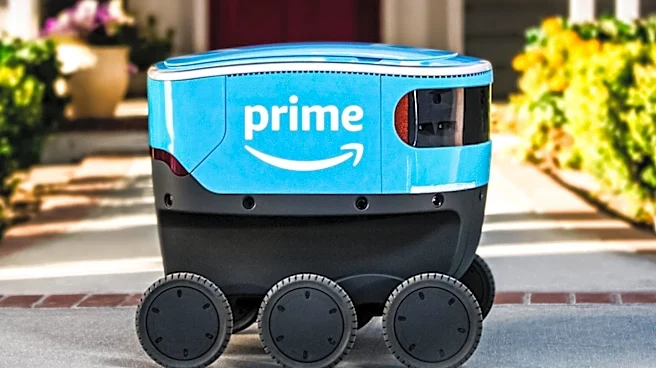
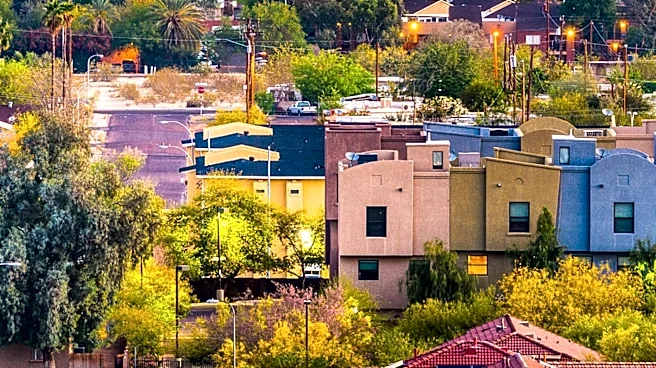
Residents in Nampa, Idaho, are reporting significant disruptions due to noise from Amazon Prime Air delivery drones, with some considering moving from their homes. The drone activity, which began on October 30, has led to complaints about incessant buzzing
that can be heard even inside houses with windows and doors closed. One resident stated that the constant noise interferes with her ability to work from home. Another mentioned that her mother, who has mobility issues, can no longer enjoy their backyard sanctuary due to the drones. Amazon's drone delivery service is currently available in select areas like Phoenix, Tampa, and Omaha, and the company plans to expand to nearly 500 U.S. towns and cities by the end of 2026. Amazon states that its electric drones produce no exhaust emissions and are part of its commitment to achieve 'net-zero' carbon by 2040.
Why It's Important?
The complaints from Nampa residents highlight a growing challenge for companies implementing new delivery technologies: balancing convenience with community impact. While Amazon aims to enhance delivery speed and reduce its carbon footprint through drone technology, the noise pollution generated by these drones could lead to significant public backlash and regulatory scrutiny. This situation could influence how other companies approach drone delivery logistics, potentially leading to stricter noise regulations or a re-evaluation of operational routes in residential areas. For residents, the issue impacts quality of life, property values, and the ability to enjoy their homes, potentially creating a precedent for community resistance against technological advancements that disrupt daily living. The expansion plans by Amazon suggest that these issues could become more widespread across the U.S.
What's Next?
As Amazon continues its expansion of Prime Air to almost 500 U.S. towns and cities by the end of 2026, it is likely that similar noise complaints will emerge in other communities. This could prompt Amazon to invest further in quieter drone technology or to implement more strategic flight paths that avoid densely populated residential areas. Local governments in affected regions may face pressure from residents to enact ordinances regulating drone noise or flight times. Additionally, the Federal Aviation Administration (FAA), which oversees drone operations, might consider incorporating noise impact as a more significant factor in future drone regulations. Public perception of drone delivery services could also shift, potentially leading to broader community opposition if these concerns are not adequately addressed by Amazon and regulatory bodies.
Beyond the Headlines
The situation in Nampa underscores a broader societal tension between technological progress and environmental quality, specifically acoustic environments. While drone delivery offers benefits like speed and reduced carbon emissions from ground vehicles, the introduction of new, persistent noise sources into residential areas can have unforeseen psychological and social impacts. Chronic noise exposure has been linked to stress, sleep disturbances, and decreased quality of life. This conflict raises questions about the 'right to quiet' in residential zones and how regulatory frameworks will adapt to new forms of noise pollution. It also highlights the need for companies to conduct thorough environmental and social impact assessments that go beyond emissions to include sensory impacts like noise, ensuring that technological advancements are integrated in a way that respects community well-being.